

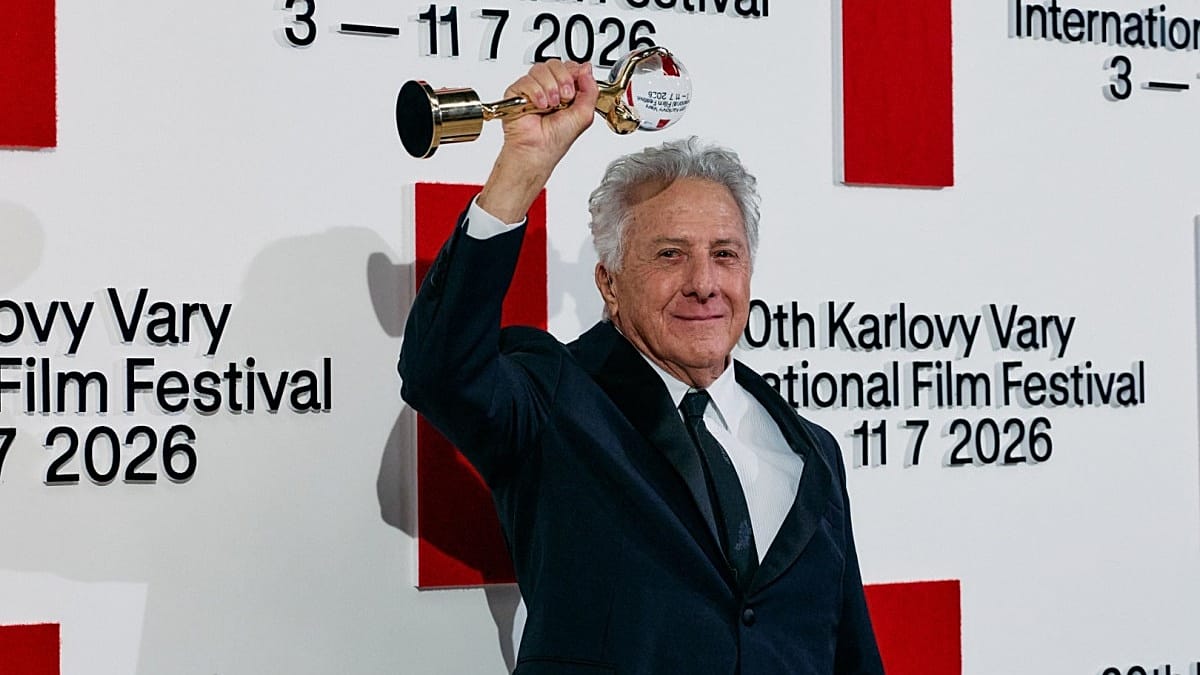
Few film events feel as inseparable from their setting as the Karlovy Vary Film Festival. As the celebrated Czech gathering marks its diamond 60th edition, it offers more than star power and screenings—it shows how architecture, urban atmosphere, and cultural design can elevate an event into a fully immersive luxury experience.
Held in the elegant spa town of Karlovy Vary, the festival has become a model for how place shapes prestige. With Dustin Hoffman among the major names honored this year, and hundreds of films drawing international audiences, the Karlovy Vary Film Festival is also a case study in how heritage environments continue to define contemporary cultural luxury.
Why the Karlovy Vary Film Festival Feels Different
The Karlovy Vary Film Festival is one of Europe’s most historic cinema events, founded in 1946 and widely recognized as the second-oldest film festival after Venice. Yet its identity is not built on age alone. What sets it apart is the way the festival is framed by a compact, visually rich destination known for its spa culture, grand facades, and distinctive Art Nouveau character.
That sense of enclosure matters. Unlike festivals scattered across sprawling capitals, Karlovy Vary invites guests into a walkable environment where screenings, conversations, hotels, colonnades, and cafés form one continuous experience. For audiences interested in luxury architecture, luxury design, and luxury interiors, that cohesion is a major part of the appeal.
A heritage setting with cinematic impact
The town has long been admired for its ornate buildings and refined urban rhythm. Its layered architecture creates an atmosphere that feels theatrical without becoming artificial. This gives the Karlovy Vary Film Festival a rare kind of authenticity: glamour emerges from the surroundings themselves, not from temporary staging.
- Historic spa architecture creates a timeless backdrop
- Art Nouveau detailing adds visual softness and ornament
- Pedestrian-friendly streets encourage cultural immersion
- Grand hotels and civic buildings reinforce a sense of occasion
In luxury terms, Karlovy Vary succeeds because it blends heritage with intimacy. It is elegant, but never overwhelming.
How Architecture Shapes the Festival Experience
For design-minded travelers, the Karlovy Vary Film Festival demonstrates a simple truth: venue and cityscape influence how culture is consumed. Watching a film in a destination known for decorative facades, spa pavilions, and historic hospitality spaces changes the emotional tone of the entire event.
Rather than functioning as a neutral container, Karlovy Vary acts as an active design element. The town’s buildings, public spaces, and interiors create a sensory continuity that extends beyond the cinema.
The luxury of containment
One of the festival’s defining strengths is that it remains rooted in Karlovy Vary rather than moving to a larger metropolitan center. That decision preserved something essential: concentration. In luxury design, a curated environment often feels more valuable than a bigger one. The same principle applies here.
Guests are not commuting across a massive city between obligations. They are inhabiting a carefully bounded cultural landscape where architecture supports focus, conversation, and discovery. This is experiential luxury in its most effective form.
Interiors that support cultural prestige
While the festival is known primarily for film, its success also points to the importance of hospitality design. Karlovy Vary’s historic hotels, lounges, theaters, and reception spaces contribute to the event’s polished identity. Rich materials, classic proportions, and old-world detailing help create the kind of interiors that make even informal encounters feel elevated.
For readers in the luxury interiors space, the lesson is clear: memorable cultural events rely on atmosphere as much as programming. Good interiors do not simply host an audience—they reinforce narrative, status, and emotional resonance.
The Reinvention of a Cultural Institution
The modern success of the Karlovy Vary Film Festival did not happen automatically. After surviving political upheaval during the communist era and later facing uncertainty in the post-revolution years, the festival was revitalized in the 1990s under actor Jiří Bartoška and film expert Eva Zaoralová.
Their leadership helped transform the festival into the leading cinema event in the former Eastern Bloc. Crucially, they preserved its connection to Karlovy Vary itself. That decision protected the festival’s strongest luxury asset: a unique sense of place.
Today, the festival is run by a leadership team including Executive Director Kryštof Mucha, Artistic Director Karel Och, and Production Director Petr Lintimer. With a budget of around €10 million and strong private sponsorship, it balances cultural ambition with operational resilience.
Accessible Glamour: A New Luxury Model
Perhaps the most surprising dimension of the Karlovy Vary Film Festival is its accessibility. Unlike ultra-exclusive events built around closed guest lists, Karlovy Vary allows the public to buy tickets at remarkably affordable prices. That openness has helped the festival build a devoted following, especially among younger cinephiles.
This does not dilute the luxury dimension—it redefines it. In contemporary culture, exclusivity is no longer the only marker of value. Access to world-class programming in a beautiful heritage setting can be just as aspirational.
Why younger audiences keep coming
The festival’s popularity with younger visitors reflects a broader shift in luxury consumption. Today’s cultural travelers often prioritize:
- Authentic destinations over staged prestige
- Design-rich environments over generic event spaces
- Shared experiences over private status signals
- Walkable, immersive cities over fragmented urban sprawl
Thousands of students and backpacking film lovers attend each year, often staying in simple accommodations while spending their days inside one of Europe’s most refined cultural settings. That contrast is part of the magic: high culture remains open, animated, and alive.
What Luxury Sectors Can Learn from Karlovy Vary
For professionals across luxury architecture, luxury design, and luxury interiors, the Karlovy Vary Film Festival offers valuable insight. It proves that long-term prestige is built through identity, continuity, and emotional context—not just spectacle.
Key takeaways include:
- Heritage matters: Historic architecture can be a strategic cultural asset
- Scale matters: Smaller, contained environments often produce richer experiences
- Interiors matter: Hospitality and event spaces shape perception as much as content
- Access matters: Inclusive programming can strengthen, not weaken, brand value
In an age of disposable luxury and temporary installations, Karlovy Vary stands out for offering permanence, atmosphere, and narrative depth.
Conclusion: The Karlovy Vary Film Festival Is Luxury by Design
At 60 editions, the Karlovy Vary Film Festival remains a powerful reminder that the most compelling cultural experiences are designed as much as they are programmed. Its Art Nouveau townscape, historic interiors, and human-scale urban setting create a form of luxury that feels intelligent, immersive, and enduring.
For anyone interested in how architecture and design shape cultural prestige, the Karlovy Vary Film Festival is more than a film event—it is a masterclass in place-making. And in a world chasing bigger and louder spectacles, its greatest strength may be the elegance of staying exactly where it belongs.