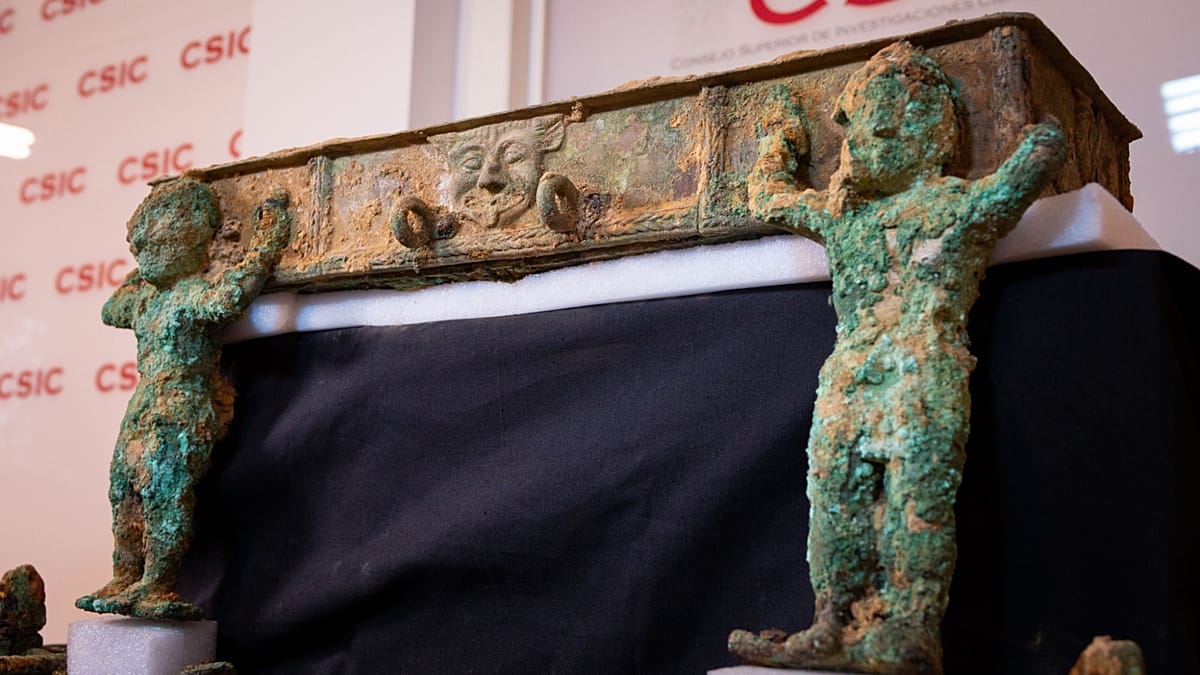
A remarkable bronze chariot discovery in southwestern Spain is reshaping how we understand ancient luxury, ritual and international trade. Unearthed at the Tartessian site of Casas del Turuñuelo in Guareña, Badajoz, the find is far more than an archaeological curiosity: it is a powerful design object that speaks to elite taste, craftsmanship and Mediterranean connections 2,500 years ago.
For readers interested in luxury brands, luxury decor and luxury design, this story offers a rare glimpse into how prestige once moved across borders through exquisite materials, symbolic artistry and ceremonial objects. The newly uncovered chariot, alongside imported Greek, Egyptian and eastern Mediterranean goods, suggests that Tartessos was deeply connected to a wider world of refined exchange.
Why This Bronze Chariot Discovery Matters
The bronze chariot discovery is being described by archaeologists as one of the most important finds yet from Casas del Turuñuelo, a site that has already transformed understanding of Tartessian culture. What makes this object extraordinary is not only its age, around 2,500 years old, but also its rarity in the Iberian Peninsula.
Researchers say the closest known parallels come from the Etruscan world in central Italy, reinforcing the idea that Tartessos participated in far-reaching Mediterranean trade networks. In other words, this was not an isolated regional culture. It was a sophisticated society engaging with international styles, imported goods and high-status ceremonial objects.
The chariot was found in the southern sector of the main building, near a space thought to have been linked to a final communal feast before the structure was intentionally sealed at the end of the 5th century BC. That context suggests the object may have played a role in ritual banqueting, elite display or symbolic performance.
The Design Details That Make It Exceptional
From a luxury design perspective, the bronze chariot discovery stands out for its decorative richness. This was not a purely functional vehicle. It was an art object.
According to excavation reports, the chariot features:
- A front panel with Achelous, the river deity often associated with the underworld
- Side reliefs showing griffins, mythical creatures combining eagle heads and lion bodies
- Human figures at the ends, arms raised as if supporting the structure
- Two ornate wheels that echo the elaborate visual program of the main body
These motifs matter because they signal a highly developed symbolic language. Mythical beasts, divine imagery and carefully modeled relief work align the piece with elite Mediterranean visual culture. In modern terms, this is where collectible design, ceremonial function and status branding meet.
The craftsmanship also highlights bronze as a prestige material. Durable, luminous and technically demanding, bronze conveyed value in the ancient world much as rare metals and artisanal finishes do in luxury interiors today.
Tartessos and the Ancient Luxury Trade Network
The bronze chariot discovery did not emerge alone. Archaeologists also recovered imported materials that deepen the picture of Tartessos as a hub of cultural and commercial exchange.
Imported goods found at the site
- Pottery from Greek Attica
- An Egyptian alabaster vessel
- Decorated ivories linked to eastern Mediterranean workshops
Together, these objects reveal a world in which prestige circulated through trade, much like luxury goods do today. High-value items moved across regions not simply because they were useful, but because they embodied taste, identity and access.
This is one reason the bronze chariot discovery resonates beyond archaeology. It illustrates that luxury has long been global. Ancient elites curated imported objects, embraced foreign influences and used design to communicate power and sophistication.
What Casas del Turuñuelo Continues to Reveal
Casas del Turuñuelo has become one of the most important archaeological sites for understanding Tartessos. Over the past decade, each excavation campaign has added another layer to the story.
Key discoveries from recent years
- In 2017, archaeologists documented the largest known animal sacrifice in the western Mediterranean.
- In 2023, they uncovered the first known human representations from Tartessian culture.
- In 2024, a slate plaque with warrior scenes and southern Palaeohispanic script expanded the site’s historical significance.
- In 2025, the site yielded the oldest Greek marble altar found in the western Mediterranean.
- In 2026, this major bronze chariot discovery added fresh evidence of elite ritual and international exchange.
The latest excavation campaign also identified new rooms and circulation areas in the mound, which measures roughly 90 metres in diameter and six metres high. In the northern sector, archaeologists found two braziers and a bronze cauldron, adding to the sense that the site was used for formal gatherings, ceremonial acts or elite hospitality.
Luxury Design Lessons from an Ancient Masterpiece
What can a 2,500-year-old artifact teach today’s design-minded audience? Quite a lot. The bronze chariot discovery offers timeless lessons in how objects become markers of prestige.
Three takeaways for modern luxury culture
- Material excellence matters: Bronze, alabaster and ivory signaled status through rarity and workmanship.
- Storytelling elevates design: Mythological imagery turned the chariot into a narrative object, not just a practical one.
- Global influence is not new: The blending of Iberian, Etruscan, Greek and Egyptian elements reflects a longstanding appetite for cross-cultural luxury.
In that sense, the object feels strikingly contemporary. Just as today’s luxury brands draw on heritage, symbolism and international craft traditions, Tartessian elites appear to have used design as a language of distinction.
What Happens Next in the Research
Although the fieldwork has concluded for now, the story is far from over. The bronze chariot discovery is entering a critical second phase involving restoration, documentation and scientific analysis. That work is being carried out with support from specialized conservation teams, including experts at the Autonomous University of Madrid.
This laboratory stage is essential. It will help determine how the object was made, how it was used and how it fits within wider Mediterranean exchange systems. It may also reveal traces of repair, wear or ceremonial handling that deepen our understanding of Tartessian life.
Supported by dozens of institutions and around a hundred researchers, the wider project continues to position Casas del Turuñuelo as one of Europe’s most compelling archaeological narratives.
The bronze chariot discovery at Casas del Turuñuelo is more than a spectacular find; it is a window into an ancient luxury ecosystem shaped by craftsmanship, ritual and global trade. For anyone fascinated by luxury design, heritage objects and the origins of prestige culture, this discovery is a vivid reminder that exceptional taste has always traveled well.