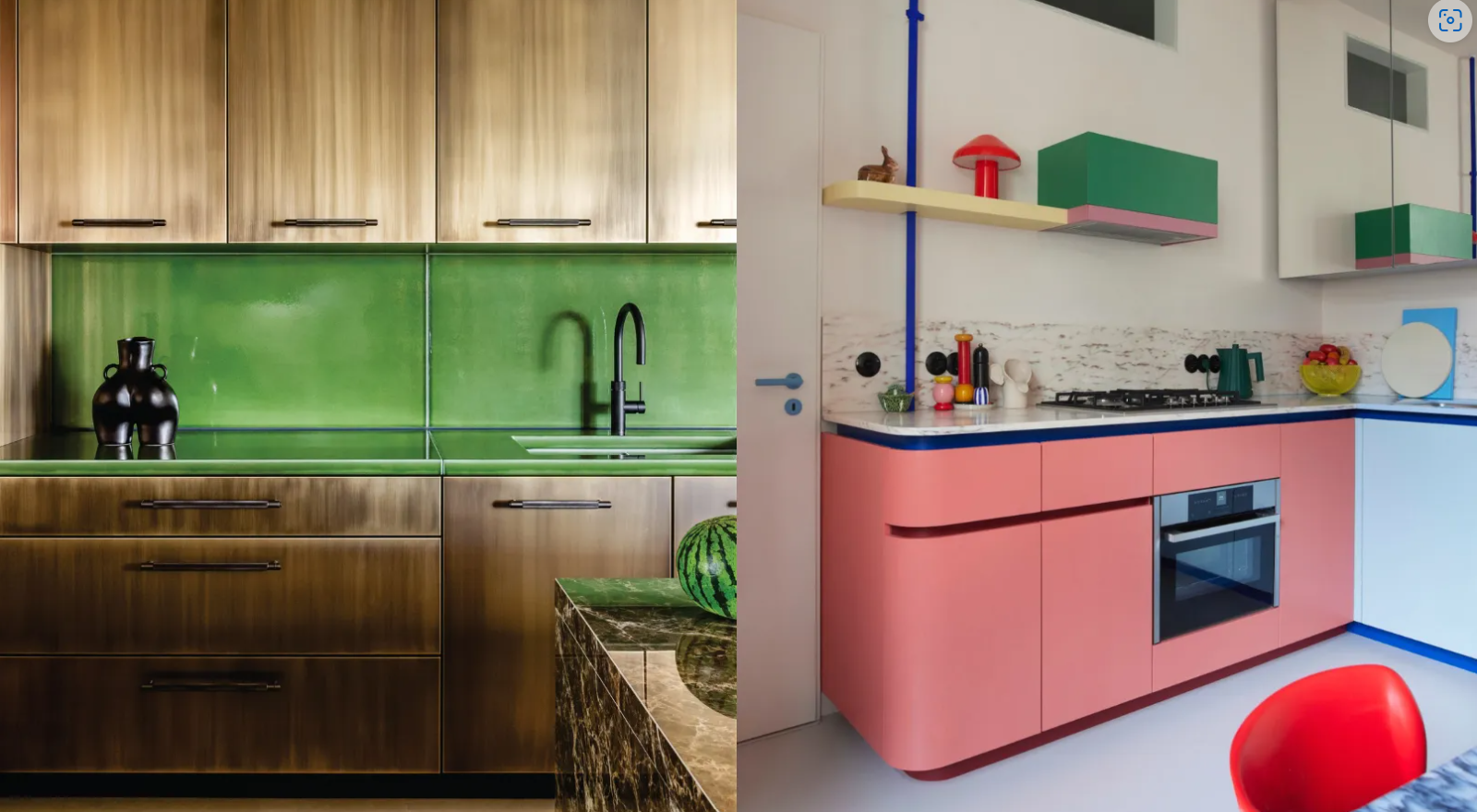

Luxury today is no longer defined only by craftsmanship, rare materials, or iconic design—it is increasingly shaped by seamless access. That is why Amazon Leo matters far beyond the technology sector. Amazon’s satellite internet venture is preparing for commercial service later this year, signaling a major shift in how premium homes, private retreats, yachts, and design-led remote properties may stay connected.
With more than 390 satellites now in orbit, Amazon says it has reached the threshold needed to support continuous service across initial coverage areas. The move puts Amazon Leo firmly into the fast-growing satellite broadband market, where SpaceX’s Starlink has so far dominated and OneWeb has built a meaningful presence. For luxury consumers and design-conscious property owners, this is more than a space story—it is about the future of connected living.
Amazon Leo and the New Standard for Luxury Connectivity
The rise of smart luxury has changed expectations across residential design and hospitality. High-end homes now rely on interconnected ecosystems for lighting, climate control, security, entertainment, wellness technology, and remote work infrastructure. In many rural, coastal, mountainous, or island settings, traditional fiber and cable installations remain limited or unreliable. Amazon Leo could help close that gap.
Amazon first unveiled its satellite internet ambitions in 2019 and rebranded the project as Amazon Leo in late 2025. The company’s long-term goal is a constellation of about 3,236 satellites. While that network is still far from complete, the latest launch of 29 satellites aboard a United Launch Alliance Atlas V rocket has brought the project to a meaningful operating milestone.
According to Amazon, the current number of satellites is enough to begin early commercial service later this year. That timing aligns with the company’s stated aim of a broader launch in the third quarter, following earlier beta access for enterprise customers.
Why Amazon Leo Matters for Luxury Homes and Design-Led Spaces
For the luxury design world, connectivity is now an invisible but essential material—just as important as stone, glass, bronze, or bespoke millwork. A beautifully designed residence loses some of its functionality if video conferencing drops, security systems lag, or whole-home automation cannot perform consistently.
Amazon Leo may prove especially relevant in settings where architectural ambition outpaces local infrastructure. Consider the types of properties that could benefit:
- Remote luxury villas in coastal or alpine regions
- Private estates with extensive smart home systems
- High-end boutique hotels in hard-to-serve locations
- Superyachts and mobile hospitality concepts
- Designer retreats, lodges, and wellness compounds
In these environments, resilient satellite broadband can support both lifestyle and operations. It can power streaming, surveillance, concierge platforms, digital art installations, voice assistants, and the growing ecosystem of connected appliances that define modern premium living.
The hidden infrastructure behind elegant interiors
Luxury decor and luxury design often celebrate what can be seen: sculptural furniture, artisanal finishes, and curated spatial flow. Yet elite interiors increasingly depend on unseen systems. Reliable internet is now foundational to:
- Automated shading and lighting scenes
- Integrated security and access control
- Climate zoning for fine materials and wine storage
- Private cinema and immersive audio systems
- Wellness tech such as sleep, air, and spa monitoring
As a result, the arrival of Amazon Leo has implications for architects, developers, and luxury brands building experiences where performance must match aesthetics.
Amazon Leo vs Starlink: A Premium Market Taking Shape
No discussion of Amazon Leo is complete without comparing it to Starlink. SpaceX’s network remains the clear leader, with more than 10,400 active satellites in orbit. That enormous head start gives Starlink an advantage in scale, market penetration, and global awareness.
Still, Amazon enters with substantial strengths of its own:
- Brand reach: Amazon has the resources and consumer ecosystem to scale quickly once service expands.
- Enterprise potential: The company already opened beta access to business customers, hinting at strong commercial demand.
- Future launch capacity: Upcoming missions, including one planned on ULA’s Vulcan rocket, could speed deployment.
- Competitive pressure: More competition typically improves pricing, product innovation, and service quality.
At present, Amazon Leo is the world’s third-largest satellite constellation, behind Starlink and OneWeb. That is notable progress, especially given launch bottlenecks and setbacks across the aerospace supply chain.
Launch challenges and what comes next
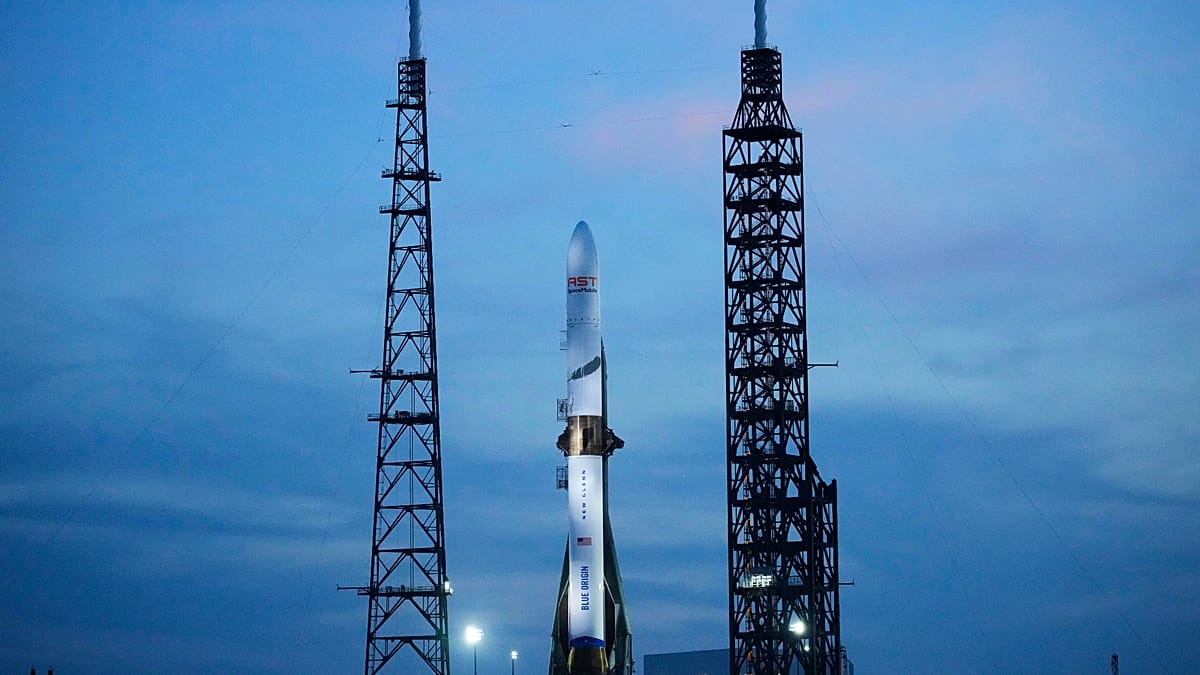
Amazon’s rollout has not been without turbulence. A major setback occurred in May when Blue Origin’s New Glenn rocket exploded during a hot-fire ground test in Florida. That mission had been expected to carry 48 Amazon Leo satellites. Amazon said those satellites had not yet been integrated with the rocket and remained safe.
Even so, Amazon maintains that its overall roadmap is still on track. Blue Origin is working toward a return to flight this year, while Amazon’s next deployment is expected to use ULA’s Vulcan heavy-lift rocket. If those launches proceed as planned, the constellation could expand at a faster pace.
What Amazon Leo Could Mean for Luxury Brands
For luxury brands, premium connectivity is becoming part of the customer promise. High-end retail environments, branded residences, destination resorts, and experiential showrooms all depend on strong digital infrastructure. Amazon Leo could open new possibilities in places where terrestrial networks remain impractical or expensive.
Potential benefits for luxury sectors include:
- More reliable connectivity for branded properties in remote destinations
- Enhanced guest experiences through uninterrupted smart-room technology
- Stronger operational control for design-driven hospitality assets
- Greater flexibility for building in exclusive but infrastructure-poor locations
In effect, satellite internet is becoming part of the modern luxury toolkit. Just as top-tier projects plan for acoustics, sustainability, and custom fabrication, they may increasingly plan for space-based broadband from the outset.
Conclusion: Amazon Leo Signals a More Connected Luxury Future
Amazon Leo is not yet at Starlink’s scale, but its progress is significant. With enough satellites now in orbit to support initial service later this year, Amazon has moved from ambition to execution. For luxury homes, elevated hospitality, and design-forward properties in remote settings, that could translate into a new layer of reliability and freedom.
The bigger takeaway is clear: in the next era of luxury, digital performance will matter as much as visual perfection. If Amazon Leo delivers on its promise, it could help redefine what truly seamless living looks like—beautifully designed, effortlessly automated, and connected almost anywhere.