Architecture news rarely captures the imagination quite like this: Barcelona has officially been named UNESCO-UIA World Capital of Architecture for 2026. For a city already synonymous with design excellence, layered history, and urban innovation, the designation confirms Barcelona’s status as a global stage for architecture, sustainability, and cultural transformation.
The announcement places Barcelona alongside previous host cities such as Copenhagen and Rio de Janeiro, while reinforcing its influence across luxury architecture, luxury design, and future-focused urban planning. More than an honorary title, the 2026 program is shaping up to be a year-long public conversation about how architecture can improve daily life, celebrate heritage, and guide more resilient cities.
Why This Architecture News Matters in 2026
This major piece of architecture news is significant because the UNESCO-UIA designation goes far beyond symbolism. Awarded every three years, the World Capital of Architecture title recognizes cities that actively promote the values of architecture, urban planning, civic engagement, and sustainability.
Barcelona secured the 2026 title with its proposal, “One today, one tomorrow,” a concept centered on the idea that architecture can transform reality over time. The city reportedly outperformed Beijing in the selection process, demonstrating the strength of its vision for public programming, research, and international collaboration.
For the luxury home and design world, this is especially relevant. Barcelona is not only a city of iconic landmarks; it is also a living example of how design can shape quality of life. From elegant residential districts to celebrated public spaces, the city offers lessons in spatial beauty, craftsmanship, and urban coherence that continue to influence architects and interior designers globally.
What Barcelona Plans for the World Capital of Architecture Year
According to city plans, the 2026 celebration will unfold over ten months, beginning with the Santa Eulàlia festivities in February and extending through Santa Llúcia in December. This extended calendar turns the city into a large-scale cultural laboratory where architecture becomes visible, accessible, and participatory.
Expected highlights of the 2026 program
- Major exhibitions focused on architecture and urban planning
- Guided architectural routes across Barcelona’s districts
- Hands-on workshops for public engagement
- Open-house access to significant buildings
- Temporary installations in public spaces
- International conferences and expert forums
- Opening and closing ceremonies tied to the city’s heritage sites
One of the most visually compelling elements will be the illumination of UNESCO World Heritage sites, creating a citywide celebration of Barcelona’s architectural legacy. For readers interested in luxury decor and luxury home design, this public emphasis on atmosphere, materiality, and spatial storytelling reflects broader trends now shaping high-end interiors worldwide.
Barcelona as a Global Design Laboratory
What makes this architecture news stand out is Barcelona’s ambition to act as a research platform, not just an event host. The 2026 program is intended to explore architecture’s capacity to influence society over time, making the city a testing ground for ideas around inclusivity, resilience, and sustainable urban development.
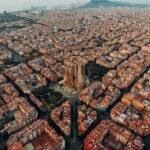
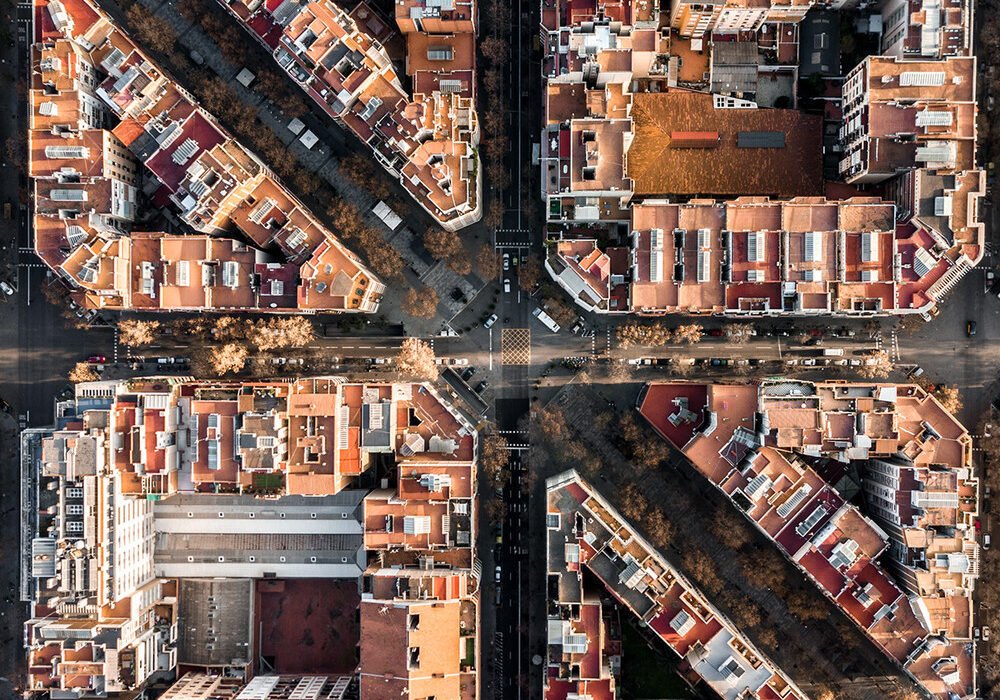
This approach aligns with Barcelona’s long-standing identity as a city where architecture is woven into everyday experience. Its urban blocks, plazas, waterfront redevelopment, and landmark buildings demonstrate how design can operate across multiple scales—from monumental cultural works to the intimate details of domestic life.
For professionals and enthusiasts in luxury architecture, the city offers a rich reference point in:
- Integrated urban design
- Historic preservation with contemporary adaptation
- Climate-conscious planning
- Craft-driven facades and interiors
- Walkable, people-centered neighborhoods
That combination of beauty and functionality is increasingly important in premium real estate and luxury home decor, where buyers and designers are looking for spaces that feel both timeless and future-ready.
The International Reach of This Architecture News
Barcelona’s 2026 agenda is designed to be inclusive and international. An open call will invite local and global organizations to contribute to the program, helping ensure that the year leaves a legacy beyond the city itself. This creates a broader platform for architectural dialogue, cultural exchange, and experimentation.
The city will also host the International Union of Architects World Congress, bringing together leading voices in architecture and urbanism. That gathering will likely amplify conversations around the challenges shaping the built environment today, including housing, mobility, climate adaptation, public space, and heritage preservation.
From an editorial standpoint, this is the kind of architecture news that ripples far beyond one destination. It affects how cities brand themselves, how institutions frame design discourse, and how architects position innovation within a global context.
Why 2026 Will Be a Landmark Year for Barcelona
Barcelona’s World Capital of Architecture designation coincides with another highly anticipated milestone: the expected completion of the Sagrada Família in 2026, marking the centenary of Antoni Gaudí’s death. That overlap adds even more cultural gravity to an already extraordinary year.
The city is also continuing to build momentum through major cultural programming, including large-scale events such as Manifesta 15 Barcelona Metropolitana, which has embraced a decentralized model across the metropolitan landscape. Together, these developments reinforce Barcelona’s role as a dynamic capital of art, architecture, and urban experimentation.
Key reasons Barcelona is uniquely suited to this role
- A globally recognized architectural heritage
- A strong tradition of urban innovation
- Public spaces that connect culture and community
- International appeal for architects, designers, and travelers
- A deepening focus on sustainability and resilience
For those following luxury design trends, Barcelona offers more than postcard landmarks. It presents a sophisticated model of how architecture, interiors, and city life can work together to create a memorable sense of place.
What This Means for Luxury Architecture and Design
At a time when clients and creatives are increasingly drawn to meaningful, sustainable, and culturally grounded spaces, this architecture news feels especially timely. Barcelona’s 2026 platform highlights principles that are becoming central in luxury architecture: authenticity, craftsmanship, wellness, environmental responsibility, and strong connections between private living and public life.
Whether viewed through the lens of urban policy or luxury home inspiration, the city’s example suggests that the future of high-end design lies in more than visual impact. It lies in creating environments that enrich how people live, gather, and experience beauty over time.
In the end, this architecture news is about more than a title. Barcelona’s appointment as UNESCO World Capital of Architecture for 2026 signals a defining moment for global design culture—one that will celebrate heritage, invite innovation, and remind us that great architecture can shape not only skylines, but everyday life.