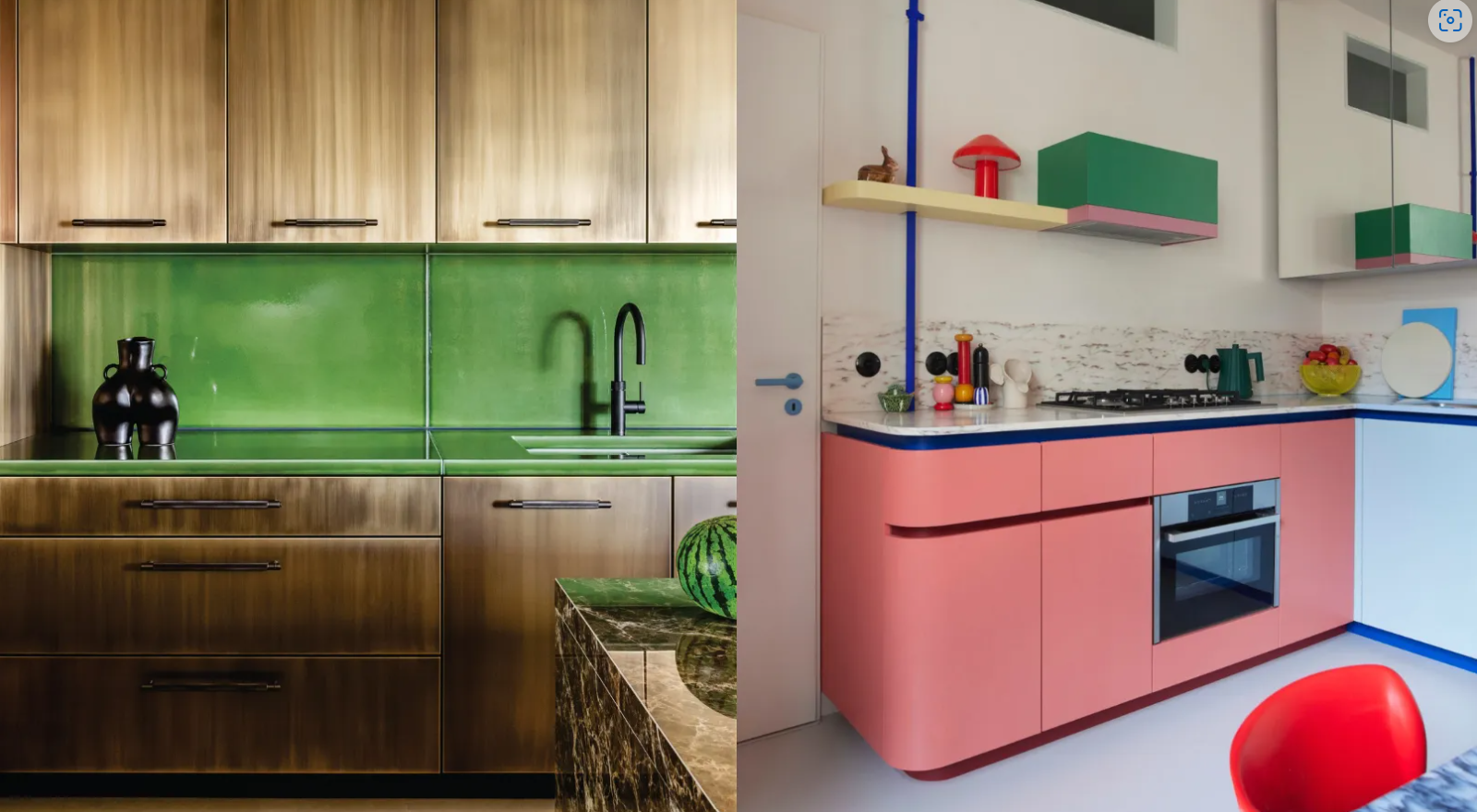

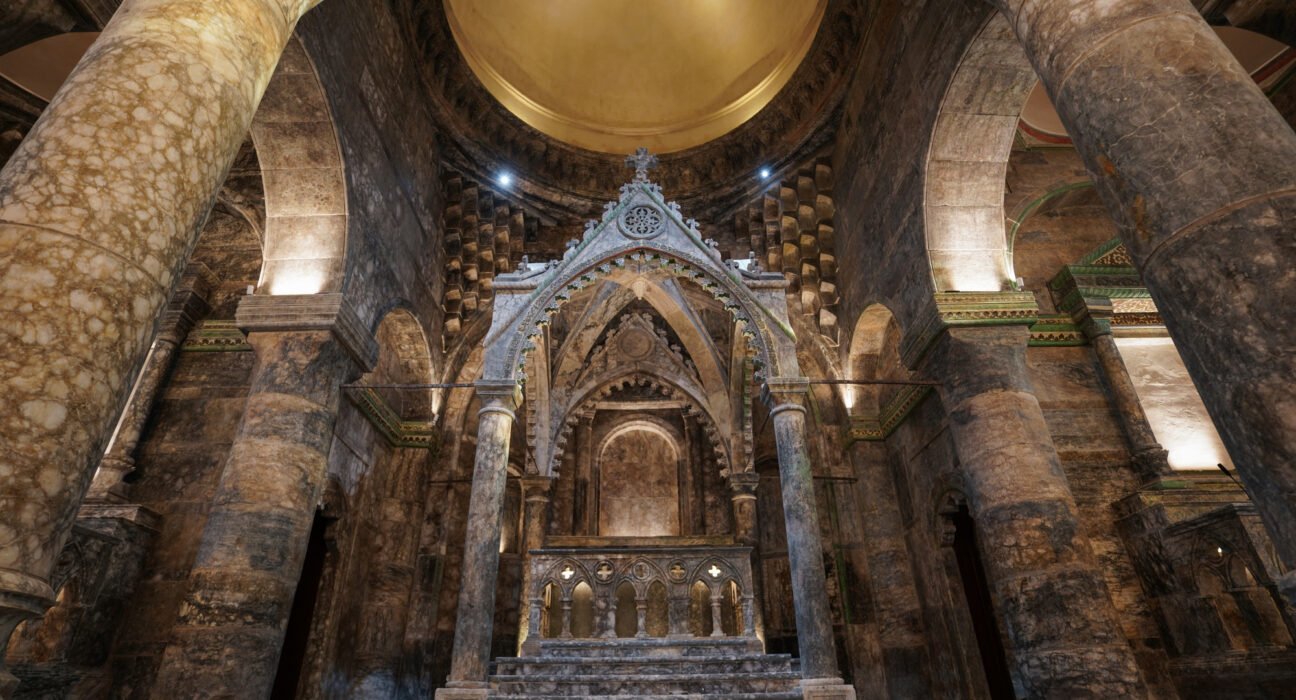
Architecture news often celebrates striking skylines, lavish interiors, and visionary homes, but the built environment does far more than impress the eye. It also reveals how people live together, divide territory, rebuild after trauma, and imagine coexistence through space.
On the International Day of Peace, architecture deserves attention not only as an art form, but as a social force. From civic landmarks and memorial spaces to luxury residences and serene private retreats, design can either reinforce separation or encourage dialogue, dignity, and shared belonging. In today’s architecture news, that deeper role of design is becoming impossible to ignore.
Architecture News and the Meaning of Peace in Design
Peace in architecture is not simply the absence of conflict. It is reflected in how spaces are planned, who gets access, how communities are represented, and whether buildings promote safety, comfort, and mutual respect. This broader understanding is increasingly shaping architecture news, especially as designers respond to displacement, urban inequality, and the emotional impact of the spaces people inhabit every day.
In luxury architecture and luxury home design, this idea can be expressed through:
- Layouts that balance privacy with openness
- Natural materials that evoke calm and permanence
- Gardens, courtyards, and terraces that foster reflection
- Inclusive planning that welcomes multigenerational living
- Connections between indoor comfort and the surrounding landscape
Whether in a high-end residence or a public institution, architecture gains lasting value when it supports human well-being as much as visual distinction.
Architecture Between Conflict and Coexistence
The relationship between architecture and conflict is complex. Buildings can become symbols of power, exclusion, and contested identity. Borders, checkpoints, walls, and fortified compounds all demonstrate how design can physically manifest division. At the same time, architecture can also provide the framework for healing by restoring public life, preserving memory, and creating settings where coexistence becomes possible.
This theme appears often in architecture news because cities are where social tensions are most visible. The placement of housing, access to green space, transportation links, and civic infrastructure all influence whether communities remain fragmented or connected.
How conflict shapes the built environment
Conflict leaves visible marks on architecture, but it also changes how people relate to space. In many places, design responds to insecurity with barriers, surveillance, and defensive planning. While such measures may address immediate concerns, they can also reduce trust and weaken the sense of openness that vibrant communities need.
Common architectural responses to conflict include:
- Reinforced public buildings and secure perimeters
- Separated circulation routes and restricted access zones
- Temporary shelters or emergency housing
- Monuments and memorials that preserve collective memory
- Post-crisis reconstruction intended to restore normal life
These realities remind us that architecture is never neutral. It reflects the priorities, fears, and aspirations of the societies that build it.
How coexistence can be designed
Coexistence begins when spaces allow different groups to share the city with dignity. Parks, libraries, cultural centers, plazas, schools, and mixed-use districts can encourage everyday encounters that gradually build trust. Even in the world of luxury design, homes that embrace openness, craftsmanship, and sensitivity to place can model a more humane relationship between people and their environment.
Design strategies that support coexistence often include:
- Flexible communal spaces for gathering and exchange
- Clear yet welcoming transitions between private and public areas
- Biophilic design elements that reduce stress
- Adaptive reuse of historic structures to preserve shared memory
- Context-sensitive architecture that respects local identity
In this way, architecture news is increasingly about more than aesthetics. It is also about how spatial decisions influence empathy, inclusion, and long-term resilience.
What This Means for Luxury Architecture and Luxury Homes
For readers interested in luxury architecture, luxury decor, and luxury home interiors, the idea of peace may seem abstract at first. Yet the most compelling high-end spaces are often those that create a profound sense of refuge. A luxury home is not defined only by rare materials or dramatic scale, but by how effectively it nurtures serenity, privacy, and meaningful connection.
Today’s best luxury home decor trends reflect that shift. Designers are favoring warm textures, artisanal finishes, soft lighting, and natural stone, wood, and linen to create environments that feel grounded rather than overstated. Outdoor living areas, meditation rooms, quiet courtyards, and spa-like bathrooms further reinforce the home as a sanctuary.
Key features of peaceful luxury design include:
- Muted palettes inspired by earth, sand, and water
- Layered lighting for calm, adaptable atmospheres
- Acoustic comfort through thoughtful materials and planning
- Seamless indoor-outdoor transitions
- Furniture layouts that encourage conversation and ease
This is where architecture news intersects with lifestyle. Luxury is increasingly measured by emotional quality: how a space feels, how it supports daily rituals, and how it shields residents from stress without cutting them off from the world.
The Growing Relevance of Architecture News in a Divided World
As global conversations around peace, identity, and sustainability evolve, architecture news plays a vital role in showing how design responds. Architects are being asked to do more than create iconic forms. They must also consider social repair, environmental stewardship, and the subtle ways buildings affect behavior.
That challenge applies across every scale of design:
- Urban planning: creating equitable, connected neighborhoods
- Public architecture: designing civic spaces that feel open and safe
- Residential design: shaping homes that promote calm and belonging
- Interior design: using materiality and layout to improve well-being
For homeowners, developers, and design enthusiasts alike, this wider lens adds depth to the way architecture is understood. Beauty matters, but beauty with purpose endures.
Conclusion: Why Architecture News Matters Beyond Style
The most important lesson from today’s architecture news is that architecture always carries social meaning. It can divide or unite, intimidate or comfort, erase memory or preserve it. On the International Day of Peace, that truth feels especially relevant.
For the world of luxury architecture, luxury decor, and luxury home design, the takeaway is clear: the finest spaces are not only visually exceptional, but emotionally intelligent. When design supports reflection, dignity, and coexistence, it becomes more than shelter or status. It becomes a quiet instrument of peace.