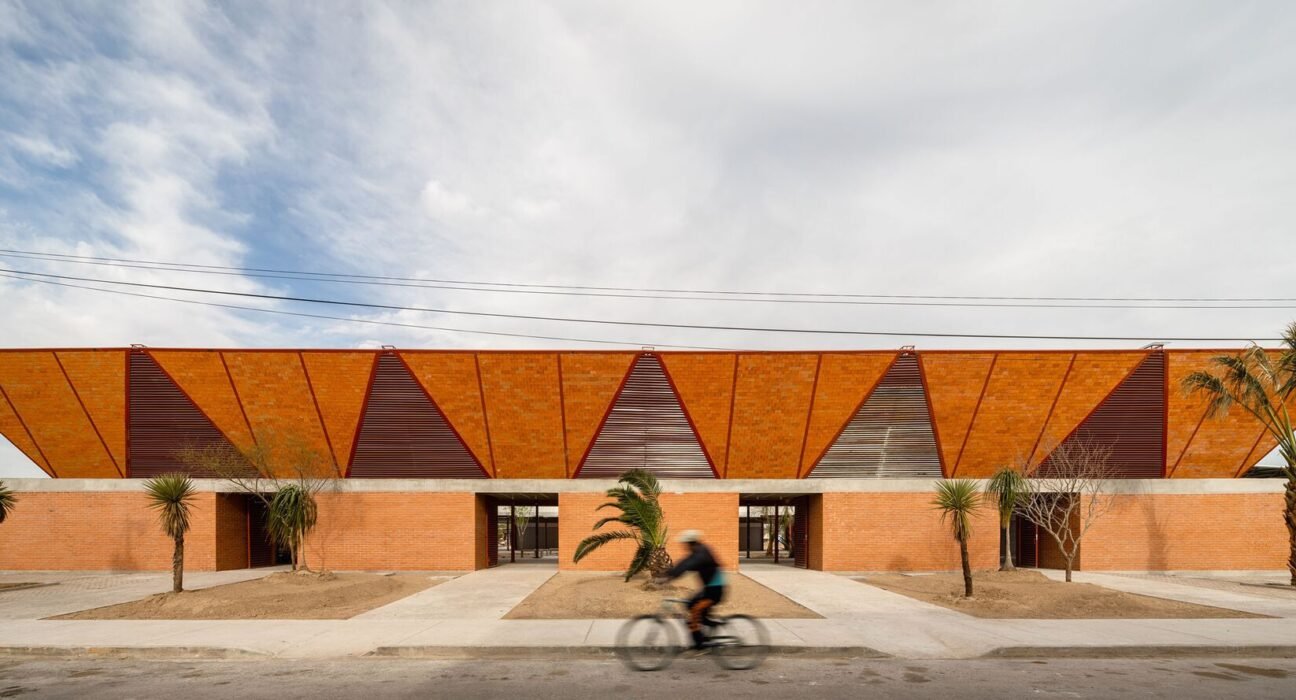
In major architecture news, Mexico City–based COLECTIVO C733 has been named the first-ever recipient of the Siza Award for public architecture. The announcement places a spotlight on a practice whose work proves that civic design can be both socially transformative and architecturally refined—an idea that resonates strongly across luxury architecture, luxury design, and the evolving conversation around public space.
Created by the Serralves Foundation, the new annual prize honors architects whose work reflects the spirit of Álvaro Siza: generosity, cultural sensitivity, and a deep commitment to the public realm. By selecting COLECTIVO C733 for its inaugural edition, the foundation has sent a clear message about where architecture is heading next: toward projects that elevate everyday life through beauty, dignity, and shared access.
Architecture News: Why COLECTIVO C733’s Siza Award Matters
This piece of architecture news is significant not only because it introduces a new international award, but because it defines a set of values increasingly shaping contemporary architecture. The Siza Award was established to recognize socially responsible public architecture, with a focus on emerging practices in their thirties and forties that demonstrate meaningful engagement with communities, landscapes, and environmental realities.
COLECTIVO C733 fits that brief with unusual clarity. Founded in 2019, the Mexico-based studio brings together Gabriela Carrillo, Carlos Facio, José Amozurrutia, Eric Valdez, and Israel Espín. The collective was formed to deliver public infrastructure quickly and effectively, particularly through projects tied to Mexico’s Urban Improvement Plan led by SEDATU, the Ministry of Agrarian, Territorial and Urban Development.
What sets the studio apart is its ability to work at speed without sacrificing architectural depth. Its portfolio spans:
- Public markets
- Transport stations
- Cultural centers
- Parks and public landscapes
- Sports and community facilities
- Border-region civic infrastructure
In a luxury context, that matters. Today, luxury architecture is not defined solely by exclusivity or expensive materials. Increasingly, it is measured by spatial intelligence, craftsmanship, environmental responsiveness, and the capacity to improve quality of life. COLECTIVO C733’s work embodies those principles in the public sphere.
The Siza Award and the Return of Civic Generosity
The Siza Award was launched in celebration of the 10th anniversary of the Álvaro Siza Archive at the Serralves Foundation. More than a commemorative gesture, the award is designed to champion what the foundation describes as “architectural generosity”—a concept closely associated with Siza’s long career.
That generosity extends beyond form. It includes the relationship between a building and its site, the way architecture supports community life, and how projects reinterpret local traditions for the future. In other words, this is architecture news about values as much as accolades.
The award specifically recognizes practices capable of addressing urgent contemporary tensions, including:
- Balancing technological progress with human need
- Designing for scarcity without abandoning beauty
- Reinventing materials and construction traditions
- Strengthening democratic life through public space
- Creating architecture that serves the common good
Those themes are especially relevant as architects, developers, and designers rethink what prestige means in the built environment. For readers interested in luxury home, luxury decor, and luxury home decor, the lesson is clear: meaningful design is increasingly tied to authenticity, locality, and social purpose.
Projects That Put COLECTIVO C733 on the Global Stage
This architecture news story gains depth when viewed through the studio’s built work. COLECTIVO C733 has completed dozens of projects across Mexico, many in vulnerable communities or underserved urban areas. Yet these are not merely functional interventions—they are thoughtfully composed civic spaces with strong material identity and public presence.
Matamoros Market
One of the most visible projects associated with the award, Matamoros Market demonstrates how a traditional market can become a contemporary civic landmark. The project elevates a familiar urban typology into a place of pride, exchange, and belonging.
Tapachula Station
Transport infrastructure is often treated as purely utilitarian, but Tapachula Station shows how mobility architecture can also shape public experience. The project reflects the studio’s interest in creating dignified thresholds within complex urban conditions.
Bacalar Eco-Park
In Bacalar Eco-Park, landscape and architecture are brought into closer balance. The project highlights environmental sensitivity while offering public access to nature—an approach increasingly influential in both luxury design and hospitality-inspired residential thinking.
Music House in Nacajuca
This community-centered cultural facility reveals another side of the practice: architecture as social infrastructure. Spaces for gathering, learning, and performance are treated not as secondary amenities, but as essential foundations of civic life.
Other notable works, including Guadalupe Market and additional parks, piers, and sports facilities, reinforce the studio’s reputation for creating places that are practical, elegant, and community-driven.
Recognition, Jury Prestige, and What Comes Next
This architecture news announcement also carries weight because of the caliber of the Siza Award jury and the structure behind it. Nominees are proposed anonymously by invited architects, curators, critics, and institutional figures, lending the process a high level of credibility. The jury includes Álvaro Siza alongside major names such as Eduardo Souto de Moura, Martha Thorne, Phyllis Lambert, Kenneth Frampton, and Farrokh Derakhshani.
The prize includes:
- €50,000 in prize money
- An exhibition at the Serralves Museum
- A dedicated publication
- Public lectures
- A metallic trophy designed by Álvaro Siza
The recognition adds to COLECTIVO C733’s rising international profile. The practice previously received the 2024 OBEL Award for its ambitious “36×36, 36 projects in 36 months” initiative and was named an MCHAP finalist in 2025. This latest honor suggests that the studio is becoming one of the defining voices in public architecture today.
What This Architecture News Means for Luxury Architecture and Design
At first glance, a public architecture prize may seem distant from the worlds of luxury home decor or high-end residential design. In reality, the connection is direct. The best luxury architecture increasingly borrows from the same principles celebrated here: restraint, regional intelligence, humane scale, tactile materials, and a strong relationship between interior life and collective space.
COLECTIVO C733’s recognition signals a broader cultural shift. Design excellence is no longer judged only by spectacle. It is also measured by empathy, resilience, and long-term public value. For architects, interior designers, and homeowners alike, that is an influential standard.
In the end, this architecture news story is about more than a new award. It is about a new architectural priority—one that sees beauty, responsibility, and civic ambition as inseparable. By honoring COLECTIVO C733, the Siza Award affirms that the future of great design lies not just in what architecture looks like, but in what it gives back.