
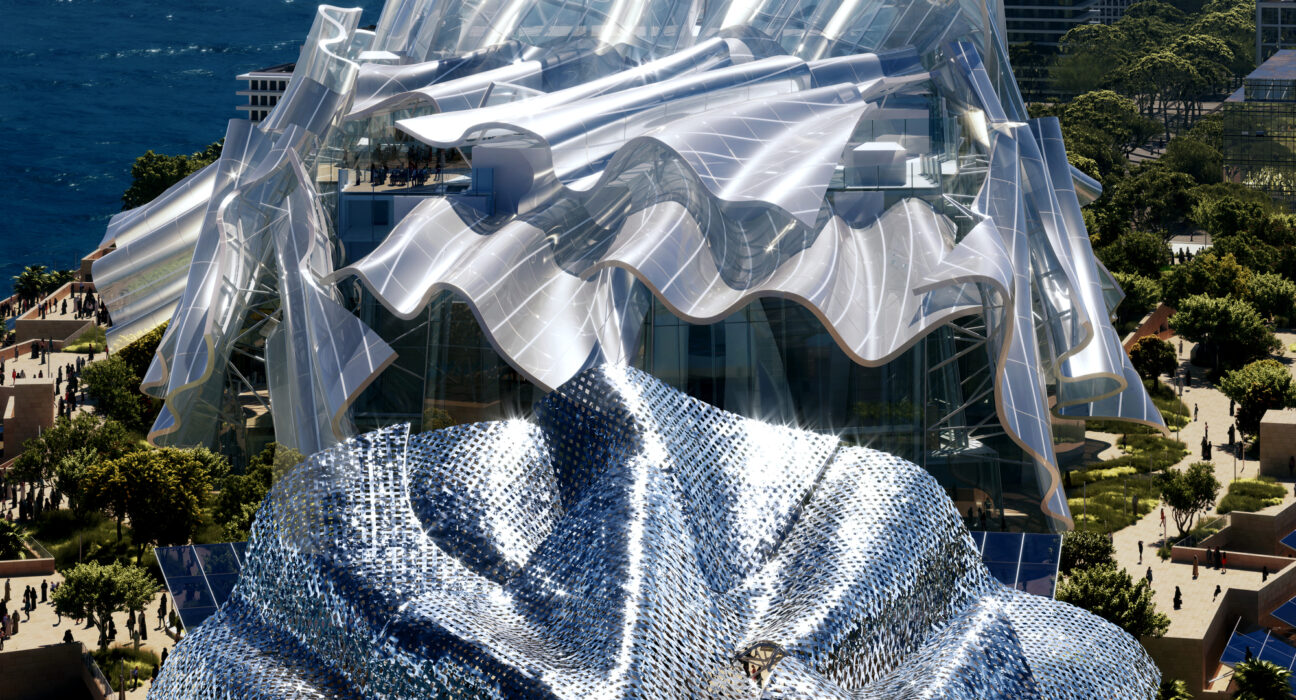
Architecture news rarely feels as culturally significant as the launch of a major performing arts landmark, and Frank Gehry’s Dar al Funoon Abu Dhabi is exactly that kind of moment. With construction now underway, the project signals a bold new chapter for Abu Dhabi’s design identity, bringing together sculptural architecture, global cultural ambition, and the prestige of one of the world’s most recognizable architects.
Set to become a defining destination in the UAE’s cultural landscape, Dar al Funoon Abu Dhabi Performing Arts Center is already attracting attention across luxury architecture, luxury design, and high-end cultural development circles. Gehry’s involvement alone makes this one of the most closely watched projects in international design, but the building’s broader implications are just as compelling: it reflects how architecture can shape a city’s global image while creating spaces for performance, creativity, and civic life.
Architecture News: Why Dar al Funoon Abu Dhabi Matters
In today’s fast-moving architecture news cycle, many announcements come and go. A project like Dar al Funoon stands apart because it sits at the intersection of art, urban strategy, and iconic design. Abu Dhabi has steadily invested in landmark cultural institutions, and this performing arts center continues that trajectory with a project designed to resonate both regionally and internationally.
The name Frank Gehry carries enormous weight in contemporary architecture. Known for buildings that challenge convention through movement, materiality, and form, Gehry has long transformed cultural venues into global symbols. His design philosophy often blurs the line between structure and sculpture, making his projects especially suited to performing arts environments where emotion, drama, and movement are central themes.
For Abu Dhabi, this development is about more than a new venue. It is a statement of intent:
- To strengthen its position as a global cultural capital
- To invest in world-class public architecture
- To create a destination that merges performance, design, and urban prestige
- To elevate the city’s reputation in luxury architecture and design
Frank Gehry’s Signature Approach to Cultural Architecture
Any major update involving Gehry instantly becomes headline-worthy architecture news, because his buildings are rarely ordinary. His work is defined by fluid geometries, unexpected silhouettes, and a deep understanding of how people experience space. In a performing arts center, those qualities become especially powerful.
Although detailed final impressions of every interior experience will emerge over time, the project’s significance already lies in Gehry’s ability to design architecture that feels alive. His cultural buildings often create a sense of anticipation before visitors even step inside. Exterior form becomes part of the performance.
That approach aligns perfectly with the ambitions of Dar al Funoon Abu Dhabi. A performing arts center must do more than house events; it must embody creativity. In the luxury design world, buildings of this caliber are appreciated not just for engineering or capacity, but for atmosphere, prestige, and emotional effect.
What makes Gehry’s work so influential?
- Sculptural massing that turns buildings into city icons
- Dynamic forms that suggest motion and artistic energy
- A strong relationship between cultural purpose and architectural expression
- The ability to create globally recognizable landmarks
Abu Dhabi’s Expanding Cultural and Luxury Design Landscape
This piece of architecture news also reflects a broader shift in Abu Dhabi’s urban identity. The city is increasingly associated with refined cultural destinations, museum-grade architecture, and sophisticated public spaces that appeal to both residents and international visitors.
That matters for readers interested in luxury home, luxury decor, and luxury home decor because flagship cultural buildings often influence wider design trends. Grand public architecture sets the tone for an entire design ecosystem. Materials, spatial drama, artisanal finishes, and sculptural forms seen in landmark buildings frequently inspire high-end residential interiors, hospitality projects, and bespoke decor.
In that sense, Dar al Funoon is not only a performing arts center. It is part of a larger design conversation about how luxury is expressed today. Increasingly, luxury is less about ornament alone and more about experience, craftsmanship, cultural depth, and unforgettable spatial identity.
Expect this project to reinforce several ongoing trends in luxury architecture:
- Experiential design: spaces created to evoke emotion and memory
- Sculptural structure: architecture treated as a collectible work of art
- Cultural prestige: design used to signal intellectual and artistic ambition
- Global-local fusion: international star architecture grounded in regional context
The Performing Arts Center as a Design Destination
One reason this update qualifies as major architecture news is that contemporary performing arts centers have become destination architecture. People travel not only for performances, but to experience the building itself. The venue becomes part of the itinerary, much like a museum, luxury hotel, or iconic waterfront development.
That destination quality is especially relevant in Abu Dhabi, where architecture plays a central role in tourism, cultural branding, and premium lifestyle positioning. A Gehry-designed arts center can function on multiple levels at once:
- A home for music, theater, and live performance
- A civic landmark that shapes the skyline
- A catalyst for surrounding urban development
- A visual symbol of modern luxury and cultural confidence
For design-conscious audiences, this makes the project fascinating beyond the arts sector. It demonstrates how architecture can carry the same aspirational power as couture, collectible furniture, or fine art. In the world of luxury design, that kind of crossover influence is invaluable.
Why This Project Will Stay in Architecture News Headlines
As construction progresses, Dar al Funoon Abu Dhabi is likely to remain a prominent subject in architecture news. Projects by Frank Gehry naturally command attention, but this development has additional staying power because it unites several high-interest themes: celebrity architecture, cultural investment, Middle Eastern urban growth, and the enduring appeal of landmark performing arts spaces.
It will also be watched closely for what it reveals about the future of iconic architecture. In an era when some cities are moving away from spectacle, Abu Dhabi continues to embrace ambitious design as a public and cultural asset. That makes this project especially important for architects, developers, luxury design enthusiasts, and anyone tracking how cities build identity through form.
For readers drawn to luxury architecture and elevated interiors, the deeper takeaway is clear: cultural buildings often lead the design world forward. They set aesthetic benchmarks, influence material trends, and redefine what prestige looks like at an urban scale.
In the months ahead, expect more architecture news coverage as the project takes shape. For now, one thing is certain: the start of construction on Frank Gehry’s Dar al Funoon Abu Dhabi Performing Arts Center marks the beginning of a landmark that could redefine the city’s architectural legacy and further cement Abu Dhabi’s standing in global luxury design.