

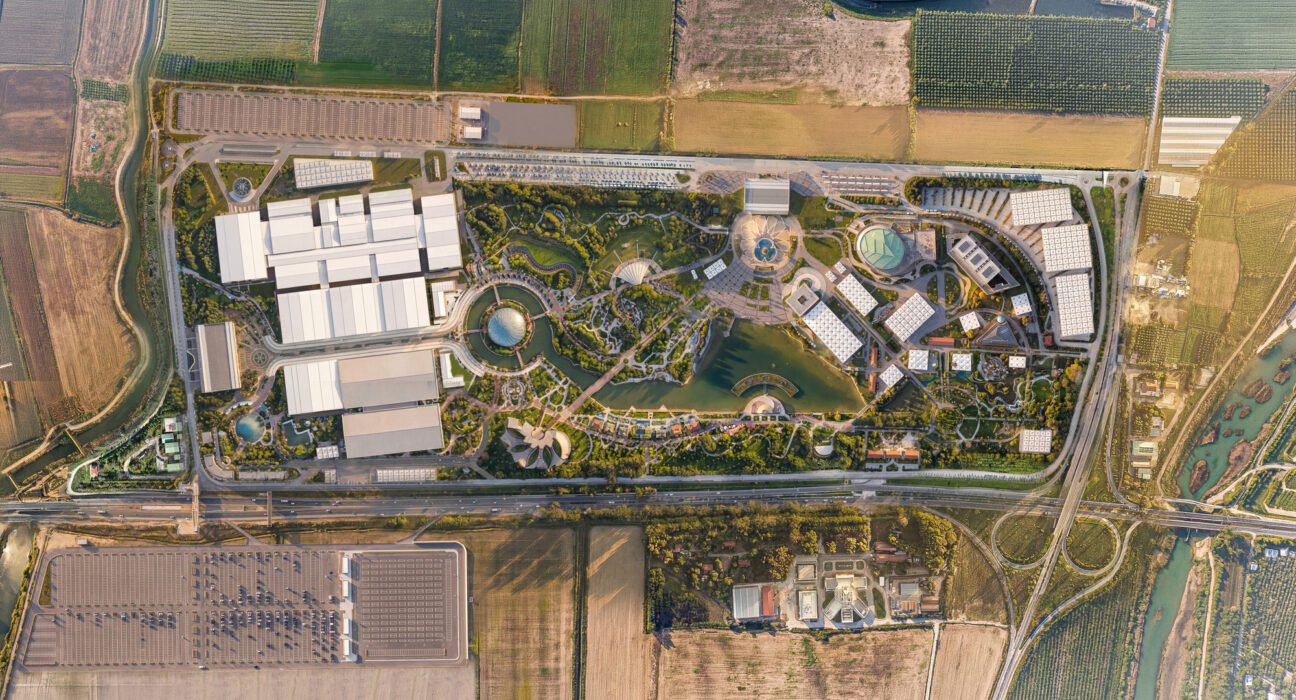
Architecture news rarely captures the intersection of diplomacy, adaptive reuse, and large-scale design as clearly as the announcement that COP31 will take place in Antalya, Turkiye. Set on the site of the city’s former Expo grounds, the project signals how architecture can transform legacy event infrastructure into a high-profile venue for one of the world’s most consequential climate gatherings.
For readers tracking luxury architecture, luxury design, and future-focused development, this story is about more than a conference location. It reflects a growing design movement: repurposing major civic sites with smarter planning, better sustainability performance, and a stronger long-term vision for urban value.
Architecture News from Antalya: Why COP31’s Venue Matters
The selection of Antalya as the host city for COP31 places Turkiye at the center of an important global conversation on climate policy and the built environment. Just as significant is the architectural strategy behind the event: rather than building an entirely new summit complex, the plan adapts the former Expo grounds for contemporary use.
That decision makes this architecture news especially relevant. Around the world, cities are rethinking how underused exhibition parks, fairgrounds, and event campuses can be upgraded instead of abandoned. In Antalya, the former Expo site offers a foundation of infrastructure, landscape, and spatial organization that can be reconfigured for a new international purpose.
From an urban design standpoint, reuse offers several advantages:
- Reduced material consumption compared with ground-up construction
- Faster delivery timelines for major international events
- Preservation of existing landscape and site investment
- Opportunities to improve energy, circulation, and accessibility systems
- A stronger long-term legacy after the summit concludes
SP Architects and the Adaptive Reuse Approach
At the heart of this architecture news story is SP Architects’ adaptation of the former Expo grounds. While the source announcement is brief, the design direction itself suggests a practical and forward-looking architectural response: work with the site’s existing framework, upgrade it for present demands, and ensure it remains useful beyond a single event.
Adaptive reuse at this scale is especially compelling because global summits require a complex mix of spaces, including plenary halls, delegation zones, media facilities, security layers, hospitality areas, and public-facing environments. Converting an expo campus into a climate summit venue calls for careful spatial choreography.
Key design priorities likely to shape the venue
- Flexibility: Spaces must accommodate large assemblies, bilateral meetings, exhibitions, and support services.
- Sustainability: Upgrades may focus on energy efficiency, water management, shading, and passive cooling strategies suitable for Antalya’s climate.
- Mobility: Visitor flow, transport access, and pedestrian circulation are critical for an event of this scale.
- Legacy use: The campus should remain valuable for future civic, cultural, or business events once COP31 ends.
That is what makes this architecture news resonate beyond the summit itself. It showcases architecture as infrastructure for both immediate performance and long-term city building.
What This Means for Luxury Architecture and Design Audiences
Although COP31 is a civic and diplomatic event, it also carries lessons for luxury architecture and luxury design audiences. Today’s premium projects are increasingly defined not only by aesthetics, but by intelligence, adaptability, and environmental responsibility.
In high-end residential and hospitality sectors, many of the same principles apply:
- Reuse has prestige. Transforming an existing asset can be more sophisticated than replacing it.
- Climate-responsive design is now essential. Shade, thermal comfort, resilient materials, and landscape integration are central to contemporary luxury.
- Experience matters. Whether in a summit venue or a luxury home, circulation, atmosphere, and spatial clarity shape the user experience.
- Legacy adds value. Design that remains useful and relevant over time is increasingly seen as a mark of quality.
This is why architecture news like Antalya’s COP31 venue adaptation matters to readers interested in luxury home design and luxury home decor. The broader trend is clear: the future of premium design lies in thoughtful transformation, not excess for its own sake.
Antalya’s Global Stage and Urban Identity
Antalya is already internationally recognized for its coastal setting, tourism economy, and Mediterranean character. Hosting COP31 expands that profile by linking the city to sustainability, international policy, and forward-thinking design. The former Expo grounds, once tied to a past event cycle, now gain a renewed role within a larger global narrative.
For city branding, this is significant architecture news. Major events often leave behind underperforming real estate, but adaptive reuse offers a different model—one in which an existing site is upgraded to serve both global visitors and the host city’s future needs.
If executed well, the project could strengthen Antalya in several ways:
- Elevating its status as a destination for international forums and exhibitions
- Encouraging investment in public realm and transport improvements
- Demonstrating Turkiye’s design and planning capabilities on a world stage
- Creating a reusable venue asset with post-event economic value
Why Adaptive Reuse Is Leading the Latest Architecture News Cycle
One reason this architecture news story stands out is that it aligns with a global shift in architectural priorities. Designers, developers, and policymakers increasingly favor retrofitting existing sites over pursuing resource-heavy new builds wherever possible.
Adaptive reuse is no longer a niche strategy reserved for warehouses and industrial lofts. It now shapes airports, museums, campuses, hotels, and event districts. In that context, Antalya’s former Expo grounds represent an ideal test case for how large public sites can evolve with changing demands.
For architecture professionals, the project raises timely questions:
- How can large event infrastructure become more resilient?
- What design upgrades best support net-zero or lower-carbon operations?
- How can temporary global attention generate permanent urban benefits?
- What role should landscape, climate, and local identity play in summit architecture?
Those questions ensure this architecture news remains relevant well beyond the COP31 calendar.
Final Takeaway
The decision to host COP31 in Antalya, with SP Architects adapting the former Expo grounds, is more than a logistical update—it is meaningful architecture news about reuse, sustainability, and the future of civic design. For readers interested in luxury architecture, luxury decor, and high-value design thinking, the lesson is clear: the most compelling spaces of the future will not simply be new, but intelligently transformed.
As cities and designers search for more responsible ways to build, Antalya’s COP31 venue may become a strong example of how legacy sites can be reimagined for global relevance, environmental performance, and lasting architectural value.



