
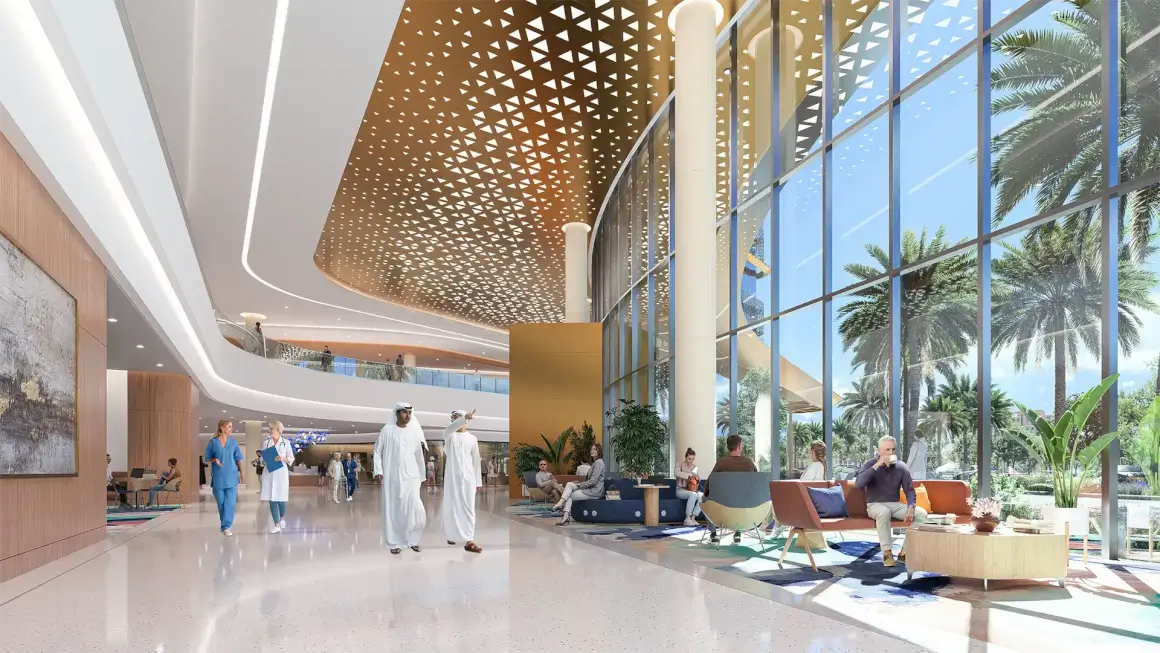
What if a hospital could feel less like an institution and more like a place of restoration? HDR’s Jamjoom Specialty Hospital makes that idea tangible, using iconic architecture to support recovery, dignity, and emotional well-being in ways that go far beyond clinical performance.
Positioned at the intersection of healthcare innovation and elevated design, the project reflects a growing movement in which architecture becomes an active partner in healing. For readers exploring Luxury Architecture, Luxury Decor, Luxury Design, and even ideas that influence the future of the luxury home, this hospital offers a compelling example of how thoughtful environments can transform human experience.
Iconic Architecture as a Living System for Care
Rather than treating the building as a static container for medical services, HDR approaches Jamjoom Specialty Hospital as a living system. That concept reshapes how we understand iconic architecture in healthcare: not as spectacle alone, but as a carefully coordinated ecosystem of space, light, movement, privacy, and comfort.
In high-performing medical environments, every design decision matters. Circulation routes affect stress levels. Natural light influences mood. Clear wayfinding improves confidence for patients and visitors. Materials, scale, and acoustics all shape how a person experiences care. By integrating these elements into a unified whole, the project elevates hospital design into something far more humane and enduring.
This is where architecture gains emotional intelligence. The hospital is not simply efficient; it is restorative. It communicates calm, respect, and order—qualities that are increasingly central to modern healthcare design.
Designing for Recovery, Dignity, and Renewal
The strongest healthcare spaces recognize that healing is both physical and psychological. Jamjoom Specialty Hospital appears to embrace that principle by organizing its design around three core human needs: recovery, dignity, and renewal.
Recovery Through Environment
Healing-centered architecture often relies on a few essential strategies, including:
- Access to daylight and curated views
- Intuitive layouts that reduce confusion and stress
- Comfortable patient zones that support rest and privacy
- Controlled sensory environments with balanced acoustics and lighting
- Efficient clinical adjacencies that improve staff response and care delivery
These features may sound subtle, but together they help create a setting where patients can feel safer and more settled. In that sense, iconic architecture is not just visually memorable; it is experientially powerful.
Dignity Embedded in Space
Dignity in healthcare design is often expressed through proportion, privacy, and choice. Patients are more than medical cases, and architecture that honors personal space sends an important message about respect. Waiting areas, treatment rooms, family zones, and transition spaces all contribute to that message.
When designers choreograph these areas with care, the building supports people at vulnerable moments. The result is architecture that feels compassionate rather than transactional—a benchmark increasingly valued across premium design sectors.
Renewal Beyond Treatment
Renewal suggests a broader vision of health. It points to spaces that help people regain equilibrium, not merely undergo procedures. This idea aligns with hospitality-inspired healthcare trends, where wellness, comfort, and aesthetics are treated as essential components of patient care.
For luxury-focused audiences, this crossover is especially relevant. Many of the principles shaping next-generation hospitals—biophilic design, serene interiors, tactile materials, and spatial clarity—are also influencing high-end residential design and wellness-driven luxury home environments.
Why This Project Matters in Luxury Architecture
Although Jamjoom Specialty Hospital is a medical facility, its significance extends into the broader conversation around Luxury Architecture. Today, exceptional buildings are judged not only by form, but by how intelligently they serve the people inside them. That is why this project resonates as iconic architecture: it combines performance, identity, and emotional resonance.
Several qualities make it especially noteworthy:
- Human-centered planning: The design appears to prioritize user experience for patients, families, and staff alike.
- Integrated wellness thinking: Healing is supported through atmosphere, not just equipment.
- Architectural clarity: Strong organization can reduce anxiety in complex environments.
- Elevated material and spatial language: Sophisticated detailing helps create a sense of trust and calm.
- Long-term adaptability: A living-system approach suggests resilience for future healthcare needs.
In luxury design circles, adaptability and wellness are no longer optional. They are defining values. This is one reason healthcare architecture is becoming an unexpected source of inspiration for residential and hospitality designers.
Lessons for Luxury Decor, Luxury Design, and the Luxury Home
It may seem surprising, but there are direct lessons here for homeowners, interior designers, and developers. The same ideas that make a hospital more supportive can also improve domestic spaces.
Wellness-Centered Interiors
Luxury interiors increasingly emphasize calm, natural materials, layered lighting, and reduced visual clutter. These strategies echo healthcare environments designed for emotional ease. Whether in a primary suite, home spa, or private wellness room, the influence is clear.
Flow and Wayfinding at Home
Good residential design also depends on intuitive movement. Clear transitions between public and private areas, thoughtful sightlines, and uncluttered circulation all improve everyday living. This is another way iconic architecture can inform the luxury home: by proving that elegance and function are strongest when developed together.
Biophilic and Sensory Design
Nature-connected architecture remains a major force across all premium categories. Designers are increasingly using:
- Indoor-outdoor visual connections
- Organic textures and calming color palettes
- Natural ventilation where possible
- Soft, layered illumination instead of harsh overhead light
- Quiet zones for rest, reflection, and wellness rituals
These details elevate both hospitals and homes, showing how architecture can shape better outcomes in everyday life.
The Future of Iconic Architecture Is Human
For years, the phrase iconic architecture often suggested dramatic silhouettes and landmark status. Jamjoom Specialty Hospital points toward a more meaningful definition—one rooted in empathy, healing, and lived experience. A building becomes truly iconic when it improves life in visible and invisible ways.
As healthcare, hospitality, and residential design continue to overlap, projects like this will likely influence a new generation of spaces. Expect to see more wellness-first planning, more emotionally intelligent interiors, and more architecture that values dignity as much as design impact. Readers interested in related trends may also explore our internal coverage of Luxury Architecture, Luxury Design, and Luxury Home concepts shaping tomorrow’s built environments.
Ultimately, HDR’s vision for Jamjoom Specialty Hospital shows why iconic architecture matters now more than ever. It is not just about creating memorable buildings. It is about creating places that help people heal, feel respected, and move forward with renewed strength.