Architecture news this week spotlights two projects that reveal how great design can expand cultural value without erasing history: the Fondation Beyeler’s planned growth and Safdie Architects’ restoration of the Carnegie Library. For readers passionate about luxury architecture, refined interiors, and legacy-driven design, these projects offer a compelling look at how institutions are reimagining space with elegance, restraint, and purpose.
Both developments sit at the intersection of preservation and innovation. Rather than treating architecture as a choice between old and new, they show how the most ambitious cultural projects can honor heritage while creating fresh experiences for visitors, collectors, and design lovers alike.
Architecture News: Why These Two Cultural Projects Matter
In the broader world of architecture news, museum expansions and landmark restorations often signal larger shifts in design culture. They reveal what cities value, how institutions engage the public, and where architects see opportunities to create meaningful spatial experiences.
The Fondation Beyeler expansion reflects the growing need for world-class museums to evolve beyond static gallery models. As audience expectations change, cultural destinations are being asked to provide more fluid circulation, stronger connections to landscape, and more immersive environments. At the same time, the Carnegie Library restoration underscores the rising importance of adaptive reuse, especially in historic civic buildings with architectural significance.
For luxury-focused audiences, these projects are especially noteworthy because they translate premium design principles into public architecture:
- Meticulous material selection
- Respect for craftsmanship and legacy details
- Balanced integration of contemporary interventions
- Thoughtful spatial sequencing and atmosphere
- Long-term cultural and real estate value
Fondation Beyeler’s Expansion and the Future of Cultural Luxury
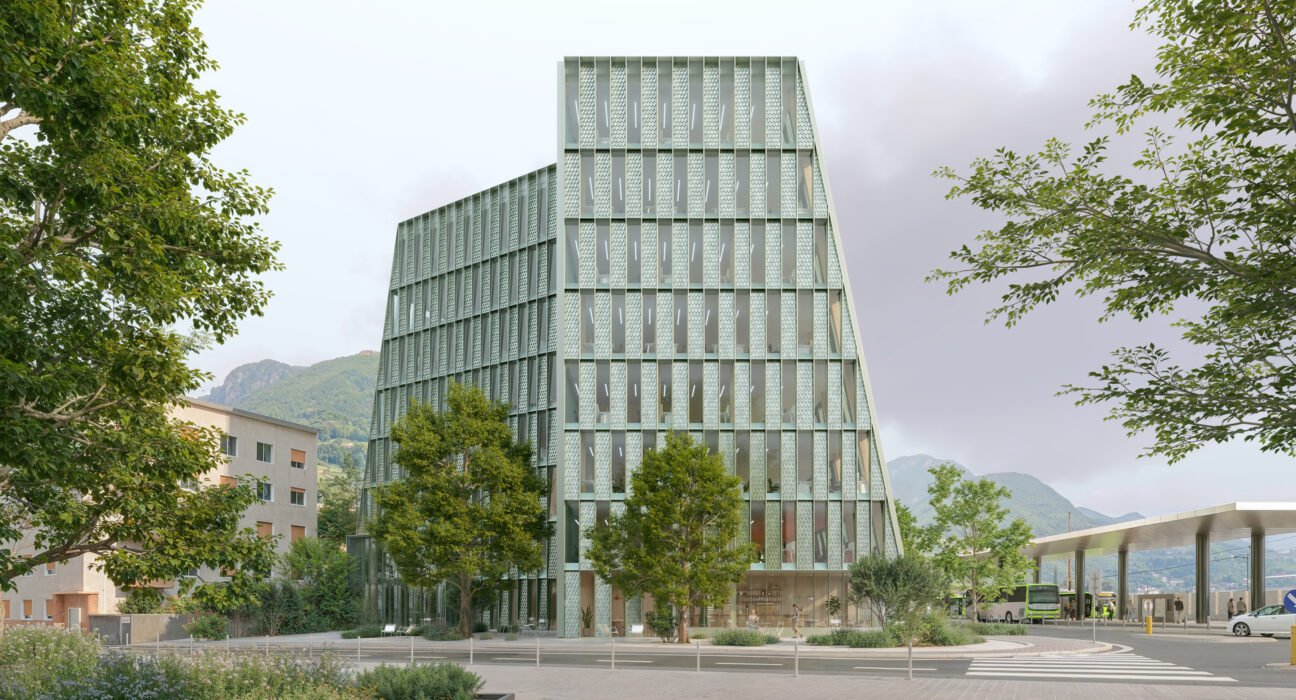
The Fondation Beyeler has long been associated with architectural sophistication, art-world prestige, and a carefully curated relationship between building and landscape. Any expansion to such an institution immediately becomes major architecture news, not only because of its cultural profile but because it raises an essential design question: how do you add space to an icon without compromising its identity?
Successful museum expansions today are rarely about size alone. They are about experience. Visitors expect serenity, intuitive movement, visual continuity, and moments of pause that feel almost residential in their warmth and scale. This is where the language of luxury architecture becomes relevant. The best cultural environments increasingly borrow from high-end hospitality and luxury home design, blending comfort with visual rigor.
What defines a high-end museum expansion?
While final project details may evolve, standout museum additions generally share several qualities:
- Architectural sensitivity — the new work complements rather than competes with the original structure.
- Landscape integration — gardens, pathways, and outdoor rooms become part of the visitor journey.
- Natural light strategy — daylight is shaped to elevate art and create emotional resonance.
- Material refinement — stone, glass, wood, and concrete are used with precision and restraint.
- Flexible programming — spaces support exhibitions, events, education, and private gatherings.
That approach aligns closely with luxury design values. In both museums and high-end residences, true quality is often expressed through calm proportions, crafted surfaces, and seamless transitions rather than visual excess.
Safdie Architects and the Carnegie Library Restoration
The other major item in this week’s architecture news is Safdie Architects’ work connected to the Carnegie Library restoration. Historic library projects hold a special place in contemporary architecture because they demand both scholarly rigor and emotional intelligence. These buildings are civic monuments, but they are also intimate spaces tied to memory, learning, and public life.
Restoration at this level is not simply cosmetic. It involves reviving the dignity of the original architecture while ensuring the building performs for modern users. That may include upgrades to circulation, accessibility, climate systems, and multi-use programming, all without diminishing the historic character that gives the structure its value.
Why restoration is central to modern luxury architecture
In luxury circles, restoration is increasingly viewed as a sophisticated design discipline. Whether in a grand townhouse, a heritage villa, or a cultural landmark, the goal is similar: preserve the soul, improve the function, and let craftsmanship speak.
Key principles often include:
- Retaining significant historical elements
- Introducing contemporary details with restraint
- Enhancing comfort and performance invisibly
- Creating a dialogue between original fabric and new additions
- Extending the life of important architecture for future generations
This is why the Carnegie Library restoration resonates beyond institutional design. It reflects trends also shaping luxury home decor and luxury home renovation, where owners and designers increasingly favor authenticity over replacement.
Design Lessons for Luxury Homes and Interiors
One reason this kind of architecture news travels so widely is that cultural architecture often influences residential trends. Museums, libraries, and civic restorations regularly introduce ideas that later appear in luxury homes, interior design, and premium furnishings.
From these two projects, several lessons stand out for homeowners, decorators, and architects:
1. Heritage adds depth
Spaces with historical references, restored details, or artisanal finishes tend to feel richer and more timeless than purely trend-driven interiors.
2. Expansion should feel seamless
Whether adding a wing to a museum or extending a luxury home, the best results come when old and new connect through proportion, light, and material continuity.
3. Restraint is a luxury
High-end design no longer relies on ornament alone. Today, luxury is often communicated through clarity, quiet confidence, and exceptional execution.
4. Landscape is part of the architecture
Outdoor design is not secondary. Gardens, courtyards, and framed views can shape a project’s emotional impact as much as the building itself.
Why This Week’s Architecture News Signals a Bigger Trend
Taken together, these stories point to a larger movement in architecture news: the future belongs to projects that combine cultural relevance, sustainability-minded thinking, and design permanence. Expansion is no longer about spectacle alone, and restoration is no longer about freezing the past. Instead, both are becoming vehicles for creating spaces that are useful, beautiful, and enduring.
That shift matters across luxury architecture, luxury decor, and luxury home design. Clients, institutions, and designers are increasingly drawn to spaces that feel grounded in context yet refined in execution. They want architecture that performs well, photographs beautifully, and deepens in value over time.
In that sense, the Fondation Beyeler expansion and Carnegie Library restoration are more than isolated project updates. They are examples of a more mature design philosophy—one that sees architecture as stewardship as much as creation.
As this week’s architecture news makes clear, the most influential projects today are not simply the newest or the boldest. They are the ones that know how to build on history with intelligence, elegance, and lasting vision. For anyone following luxury architecture and design, that is the clearest takeaway of all.