Architecture news rarely lands with the cultural weight of a new Frank Gehry project in Downtown Los Angeles. The newly revealed design for the Colburn Center signals more than a campus expansion—it represents a major investment in performance, public space, and the future of luxury cultural design in one of LA’s most architecturally significant districts.
Designed for the Colburn School, the 100,000-square-foot Colburn Center will expand the institution’s footprint across from its existing campus at Olive and Second Streets. The project is envisioned as both an educational facility and a civic destination, blending concert, dance, recording, and gathering spaces into a highly visible urban landmark. For readers following architecture news, this is one of the most compelling performing arts developments to emerge in recent years.
Architecture News: Inside Frank Gehry’s Vision for the Colburn Center
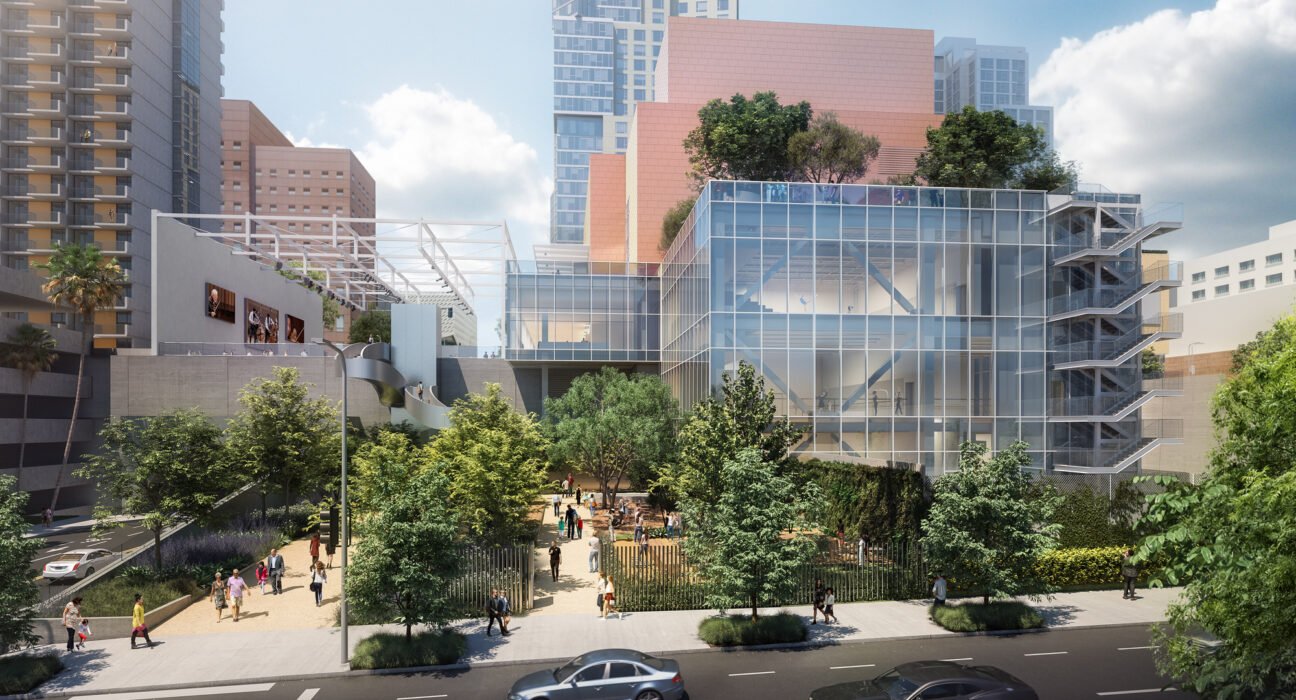
The Colburn Center is set to strengthen Downtown LA’s identity as a world-class arts corridor. Gehry’s proposal uses a composition of transparent and solid interlocking volumes that step with the site’s natural topography, creating a building that feels dynamic yet welcoming. The architecture is intended to invite students, audiences, and passersby into a more open relationship with the performing arts.
That approach is especially important in a city where cultural institutions increasingly serve multiple roles: educational anchors, neighborhood catalysts, and public gathering places. In this latest piece of architecture news, Gehry’s design balances monumentality with accessibility, using glass, layered massing, and landscaped public areas to connect the school with the surrounding streetscape.
The project will also complement Colburn’s existing facilities, which already host hundreds of performances annually. Once complete, the center is expected to deepen the school’s role as a training ground for young musicians and dancers while expanding its public-facing mission through collaborations, performances, and community programming.
A Luxury Architecture Landmark in the Heart of Downtown LA
For enthusiasts of luxury architecture and luxury design, the Colburn Center stands out for its ambition and urban context. It will join an extraordinary cluster of major cultural buildings nearby, including Walt Disney Concert Hall, The Broad, the Museum of Contemporary Art, and other notable civic works. With this addition, the area becomes an even more concentrated showcase of globally recognized design talent.
The project is especially notable because it will help complete one of the largest collections of Gehry-designed buildings in the world within a single district. That gives the development significance beyond education alone. It becomes part of a broader narrative about how architecture can shape the identity, prestige, and lived experience of a city center.
From a luxury perspective, the center’s value lies not in residential opulence but in elevated experience design:
- High-performance acoustics and sightlines
- Carefully choreographed circulation and public entry points
- Generous glazing that reveals artistic practice within
- Integrated gardens and outdoor plaza spaces
- Materials and forms designed to create civic presence
This is the kind of architecture news that resonates across luxury home, luxury decor, and luxury lifestyle audiences because it demonstrates how thoughtful design enhances emotion, movement, and atmosphere.
What the Colburn Center Will Include
The program for the Colburn Center is robust, supporting both elite performance and public engagement. At the heart of the building will be a 1,000-seat concert hall conceived in the round, an arrangement that brings audiences closer to performers and offers a more immersive musical experience.
Key features of the project include:
- A 1,000-seat concert hall with in-the-round seating, an orchestra pit, and a large stage for full-scale productions
- Four professional-sized dance studios designed for training and rehearsals
- A 100-seat flexible studio theater for intimate performances and experimental programming
- Commercial-quality recording and streaming facilities that support contemporary media production
- An outdoor public plaza that extends the performing arts experience into the city
- Landscaped gardens and pedestrian connections improving access to nearby transit and public space
These features make the center relevant not just in architecture news circles, but also in conversations about modern arts education, civic design, and cultural infrastructure.
Design Details That Set the Project Apart
Performance-Centered Planning
The concert hall’s in-the-round design is one of the most distinctive aspects of the proposal. Rather than reinforcing distance between audience and stage, the layout aims for intimacy. Front-row seats will sit at eye level with performers, helping create a more immediate and emotionally charged experience.
This focus on human connection is a recurring strength in Gehry’s cultural work. Here, it supports the Colburn School’s mission by turning world-class performance into something visually and spatially inclusive.
Transparency and Urban Engagement
The dance studios and theater are wrapped in glass, allowing movement and rehearsal to become part of the streetscape. This transparency transforms the building into a living advertisement for the arts, inviting curiosity and reducing the barriers that often make high culture feel inaccessible.
In the context of architecture news, this kind of visual openness reflects a broader design trend: institutions are no longer hiding their inner workings. Instead, they are celebrating process, participation, and visibility.
Acoustics and Technical Excellence
The project is being developed in collaboration with Yasuhisa Toyota of Nagata Acoustics, one of the most respected names in concert hall acoustics. That partnership adds a level of technical credibility that should excite musicians, designers, and performance experts alike.
Combined with advanced multimedia, recording, and streaming capabilities, the center is designed for the realities of contemporary performance. It is not just a venue—it is a hybrid platform for live, digital, and educational experiences.
Why This Project Matters Beyond Architecture
This piece of architecture news matters because the Colburn Center is not simply another iconic building. It reflects a larger shift in how luxury design and civic architecture intersect. Today’s most influential projects are not only beautiful; they are socially active, technologically equipped, and deeply connected to their neighborhoods.
For Downtown Los Angeles, the center promises cultural, educational, and urban benefits. It will add green space, improve pedestrian flow, support local and touring artists, and reinforce the district’s status as a cultural destination. For the Colburn School, it expands the capacity to nurture rising talent in music and dance. And for followers of luxury architecture, it offers a case study in how landmark design can still serve public life.
Conclusion
In the world of architecture news, Frank Gehry’s Colburn Center is a standout announcement with lasting implications for Los Angeles. With its immersive concert hall, transparent dance spaces, advanced production facilities, and public plaza, the project blends artistic ambition with civic generosity. The clearest takeaway is this: great architecture does more than impress—it creates connection, elevates culture, and reshapes the city around it.