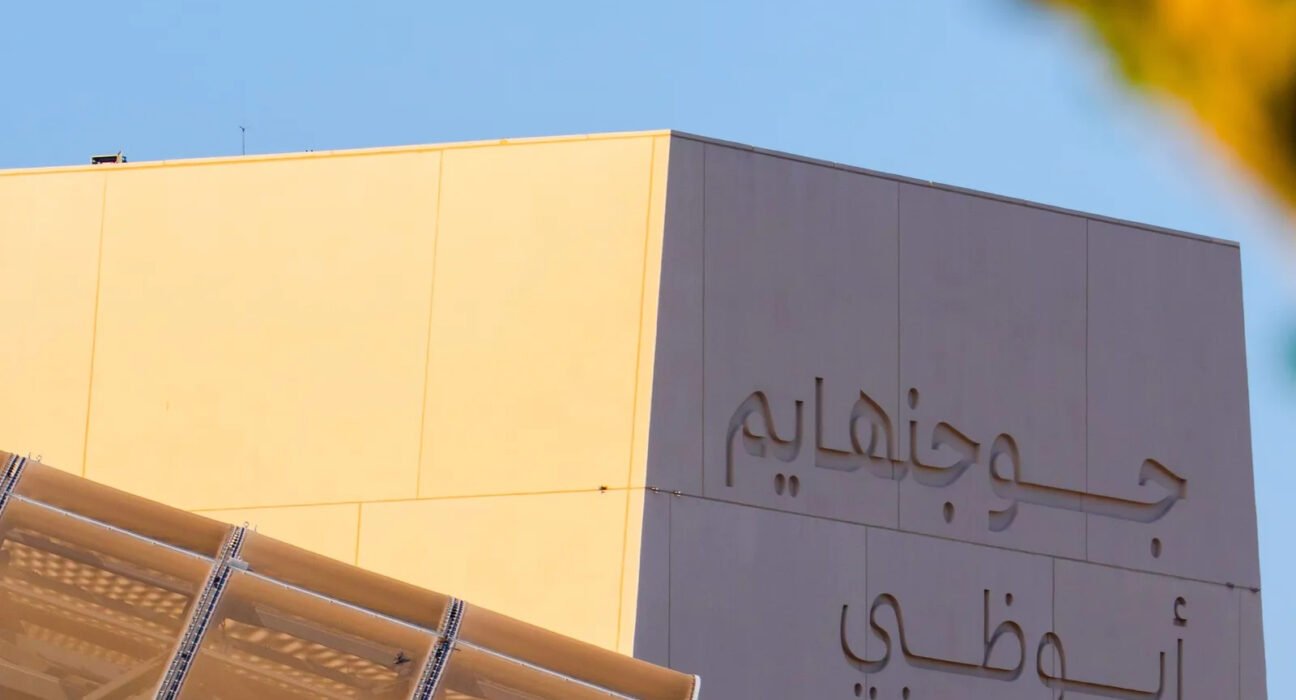
Architecture news rarely arrives with this level of global anticipation. After years of speculation and excitement, Frank Gehry’s Guggenheim Abu Dhabi is now set to open in December, marking a major milestone for luxury architecture and the cultural future of the United Arab Emirates.
Positioned on Saadiyat Island, the long-awaited museum is more than a new art destination. It represents a defining moment in contemporary design, where bold form, museum innovation, and regional ambition meet on an international stage. For readers interested in luxury design, luxury home inspiration, and iconic architectural statements, this project offers a compelling look at how world-class cultural buildings shape taste, identity, and place.
Architecture News: Why the Guggenheim Abu Dhabi Opening Matters
The announcement that Guggenheim Abu Dhabi will open in December instantly places the project at the center of architecture news worldwide. Designed by Pritzker Prize-winning architect Frank Gehry, the museum has long been considered one of the most significant forthcoming cultural buildings in the Middle East.
Its opening matters for several reasons:
- It expands the global Guggenheim network with a major new destination.
- It reinforces Abu Dhabi’s role as a cultural capital with international reach.
- It brings a landmark Frank Gehry design to a region increasingly known for ambitious architecture.
- It highlights how museum architecture can become a symbol of civic identity and luxury design leadership.
In the context of architecture news, the museum is not simply another opening. It is the debut of a building expected to influence conversations around cultural investment, experiential design, and architectural legacy for years to come.
Frank Gehry’s Vision for Guggenheim Abu Dhabi
Frank Gehry is known for reshaping contemporary architecture through sculptural form, material experimentation, and spatial drama. With Guggenheim Abu Dhabi, his design approach appears to respond both to his signature style and to the environmental and cultural context of the Gulf.
The building is characterized by a dynamic composition of volumes, industrial-meets-monumental geometry, and a distinctly museum-scale presence. Rather than relying on a single iconic gesture, the design reads as a clustered architectural landscape, creating a powerful visual identity from multiple angles.
Key aspects often associated with Gehry’s work—and especially relevant here—include:
- Bold, sculptural massing that turns the building itself into an artistic experience
- Complex forms that shift dramatically with light and perspective
- Large, flexible gallery spaces intended for ambitious contemporary exhibitions
- A strong relationship between architecture, movement, and public arrival
For followers of architecture news, Guggenheim Abu Dhabi stands out as another example of Gehry’s ability to create buildings that operate simultaneously as cultural institutions and global design symbols.
Saadiyat Island and Abu Dhabi’s Cultural Ambition
The museum’s location on Saadiyat Island is crucial to understanding its broader significance. The island has emerged as one of the most important cultural districts in the region, bringing together high-profile institutions, waterfront planning, and destination-grade urban development.
From a luxury architecture perspective, Saadiyat Island reflects a larger trend: the blending of cultural prestige, refined urban design, and premium lifestyle environments. This is especially relevant to audiences interested in luxury home, luxury decor, and elevated living, because the district demonstrates how architecture can shape the perception of an entire destination.
In recent years, Abu Dhabi has invested heavily in design, arts infrastructure, and public realm enhancement. The opening of Guggenheim Abu Dhabi strengthens that strategy by adding another globally recognized institution to its portfolio. That makes this a major story in architecture news, but also a case study in how cities use architecture to define their future.
What Luxury Design Enthusiasts Can Learn From the Project
Although Guggenheim Abu Dhabi is a museum, its design language offers ideas that resonate far beyond institutional architecture. Readers focused on luxury interiors and luxury home decor can draw inspiration from several themes embedded in the project.
Sculptural Form as a Design Statement
One of the clearest lessons is the power of sculptural form. In high-end residential design, this can translate into curved walls, dramatic ceiling treatments, or statement staircases that function like artworks within the home.
Material Presence and Texture
Luxury design today often emphasizes tactile richness over excessive ornament. Projects like Guggenheim Abu Dhabi remind us that scale, texture, and material contrast can create elegance through restraint and composition rather than decoration alone.
Light as a Luxury Element
Museum architecture depends on carefully controlled light, and that principle is equally valuable in luxury home design. Natural illumination, shadow play, and spatial depth can transform even minimal interiors into highly sophisticated environments.
Spaces Designed for Experience
Another recurring theme in architecture news is experience-driven design. The best luxury spaces—whether cultural or residential—guide movement, frame views, and create moments of pause. Gehry’s museum architecture often excels at this, offering a useful reference point for homeowners, designers, and developers alike.
The Global Impact on Architecture News and Cultural Tourism
The opening of Guggenheim Abu Dhabi is likely to have effects well beyond the design community. Major museums act as tourism magnets, economic drivers, and international branding tools. In that sense, this development belongs not only in architecture news but also in broader discussions about travel, investment, and cultural diplomacy.
Expect the museum to influence:
- Cultural tourism by attracting art and design audiences from around the world
- Regional architecture visibility by drawing fresh attention to landmark projects in the UAE
- Luxury real estate perception by elevating the prestige of surrounding districts
- Museum design discourse through renewed examination of Gehry’s architectural legacy
For luxury-focused readers, the museum’s debut may also reinforce Abu Dhabi’s appeal as a destination where architecture, hospitality, art, and design intersect at the highest level.
Why This December Opening Is One to Watch
There are building openings, and then there are moments that redefine a city’s cultural narrative. Guggenheim Abu Dhabi appears poised to be the latter. As December approaches, design professionals, collectors, travelers, and architecture enthusiasts will be watching closely to see how the completed museum performs in real life—spatially, culturally, and visually.
In a year filled with notable architecture news, few stories carry the same combination of star power, urban significance, and design prestige. Frank Gehry’s Guggenheim Abu Dhabi promises not just a new museum, but a statement about the future of cultural architecture in the luxury era.
Architecture news does not get much more consequential than this: a landmark Frank Gehry museum opening in Abu Dhabi, in a destination already synonymous with ambition, refinement, and global design influence. The clear takeaway is that Guggenheim Abu Dhabi is set to become one of the defining architectural events of the year—and a lasting icon for luxury architecture worldwide.