
Architecture news rarely captures the imagination quite like a major cultural project in the Gulf, and the latest images of the Lusail Museum do exactly that. Herzog & de Meuron’s evolving design for Qatar’s Al Maha Island signals a bold new chapter in luxury architecture, where landmark museums are conceived not only as civic institutions but also as immersive works of art.
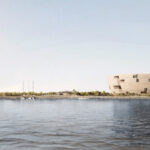
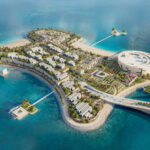
The newly released visuals offer a closer look at a project that is poised to become one of the most significant museum developments in the region. Set on Al Maha Island near Lusail, the museum reflects Qatar’s continuing investment in design excellence, cultural identity, and globally ambitious architecture. For readers following luxury design, high-end interiors, and destination-making developments, this is one piece of architecture news that deserves attention.
Architecture News Spotlight: The Lusail Museum Takes Shape
The Lusail Museum has already generated strong interest among architects, developers, and design enthusiasts, and the latest imagery deepens that excitement. Designed by Pritzker Prize-winning firm Herzog & de Meuron, the museum appears to be conceived as a sculptural composition rooted in mass, rhythm, and atmosphere rather than superficial spectacle.
While the released visuals are limited, they reinforce the practice’s signature approach: using form, materiality, and scale to create buildings that feel both monumental and deeply tactile. In the context of contemporary architecture news, the project stands out because it blends museum design with placemaking on a luxury waterfront destination.
Qatar has become a key center for internationally significant cultural architecture, and Lusail Museum strengthens that trajectory. It is not merely another iconic building; it is part of a broader strategy that connects art, heritage, tourism, and urban development.
A Landmark for Luxury Architecture in Qatar
For the luxury architecture world, the Lusail Museum represents more than high-profile authorship. It reflects how premium cultural projects are increasingly being designed as total environments, where the building, landscape, arrival experience, and surrounding district all work together.
Al Maha Island is already associated with exclusivity, leisure, and carefully curated development. Placing a major museum here adds another layer of sophistication. The museum’s presence could elevate the island beyond hospitality and entertainment, positioning it as a refined cultural destination with global relevance.
This matters for several target categories tied to luxury living and design:
- Luxury Architecture: the building promises a commanding formal identity by one of the world’s most respected firms.
- Luxury Design: the museum is likely to integrate premium materials, nuanced detailing, and highly choreographed spatial experiences.
- Luxury Decor: even before interiors are revealed, expectations are high for museum spaces that balance elegance, restraint, and sensory impact.
- Luxury Home and Luxury Home Decor inspiration: large-scale cultural buildings often shape residential trends, from sculptural forms to earthy palettes and gallery-like interiors.
What the New Images Suggest About the Design
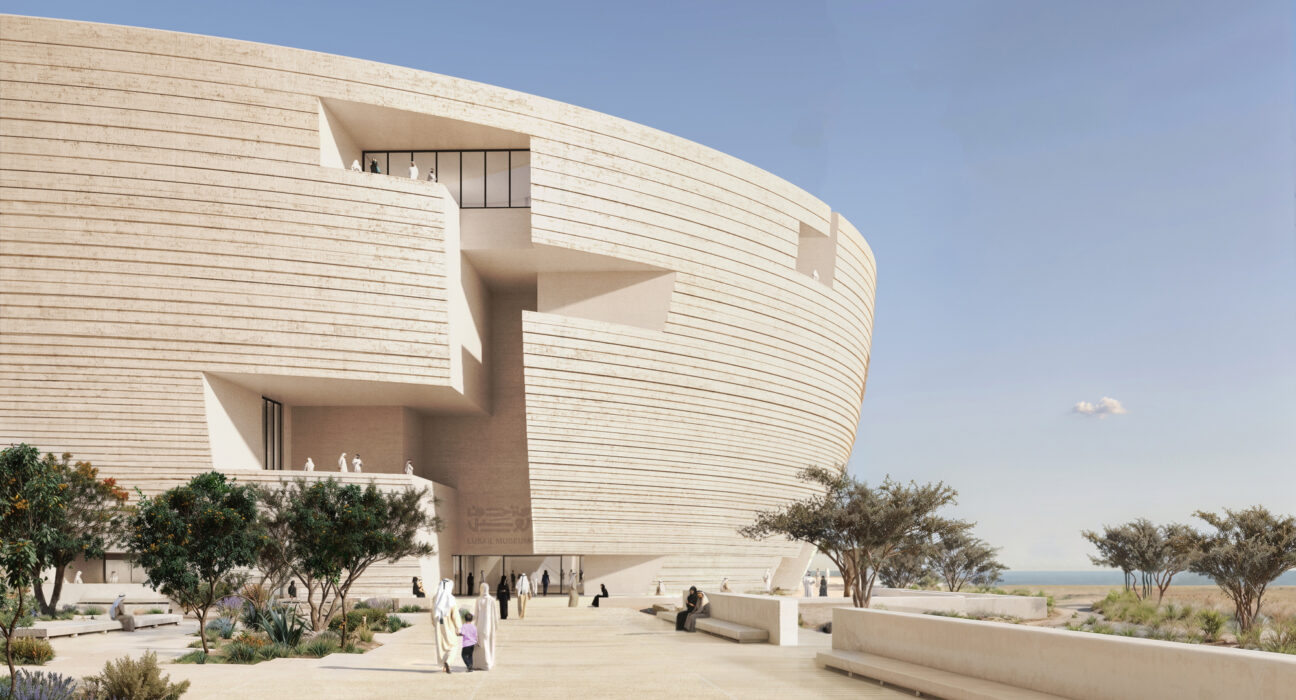
One reason this architecture news story resonates is the power of architectural imagery to hint at atmosphere before construction is complete. Herzog & de Meuron’s projects often reveal their strongest qualities through the relationship between shadow, enclosure, geometry, and material presence, and Lusail Museum appears to follow that lineage.
Based on the newly shared visuals, several themes seem central to the project:
Monumental Form
The museum appears to embrace bold volumetric composition. Rather than relying on transparent lightness, it seems to favor solidity and sculptural gravity, giving it the kind of timeless civic presence expected from a major cultural institution.
Island Context
Its location on Al Maha Island gives the building a heightened sense of destination. Water, horizon lines, and approach sequences are likely to play an important role in how visitors experience the museum, reinforcing a sense of exclusivity and ceremony.
Material Depth
Herzog & de Meuron is known for creating buildings with rich material character, and that legacy raises expectations for Lusail Museum. The final structure may use surfaces and textures that respond dramatically to Gulf light, creating visual variation throughout the day.
Cultural Presence
Even in preliminary imagery, the project reads as more than an object building. It aims to carry symbolic weight, which is essential in museum architecture, especially in a nation that is using design to communicate cultural ambition on a global stage.
Why This Project Matters Beyond the Museum Sector
The significance of this architecture news extends well beyond museum circles. Landmark projects like Lusail Museum influence adjacent industries, including real estate, interior design, hospitality, and luxury residential development.
High-end homeowners and designers often look to cultural architecture for cues that later appear in private spaces. Elements that may trickle into luxury home decor trends include:
- Sculptural silhouettes and monolithic forms
- Natural, tactile materials with visible depth
- Muted palettes inspired by sand, stone, and shadow
- Gallery-style interiors with curated spatial flow
- A stronger connection between architecture and landscape
In that sense, Lusail Museum is not just a public project. It is part of a wider design conversation about how luxury is being redefined: less ornamental, more atmospheric; less crowded, more intentional.
Herzog & de Meuron and the Global Museum Conversation
Any major release from Herzog & de Meuron naturally becomes important architecture news because the firm has repeatedly shaped the international museum landscape. Their work is often celebrated for balancing iconic presence with spatial intelligence, making them especially well suited to a project of this scale and visibility.
For Qatar, commissioning a museum by such a prominent practice reinforces its position in the global cultural map. For audiences interested in architecture and luxury design, it also confirms that the Gulf remains one of the most dynamic places to watch for ambitious contemporary building projects.
The Lusail Museum has the ingredients of a future reference point:
- A world-renowned architect
- A strategic island setting
- A strong national cultural agenda
- Potential crossover appeal to tourism, design, and luxury lifestyle sectors
Conclusion: A Defining Piece of Architecture News for Luxury Design Watchers
As fresh images of the Lusail Museum circulate, this is clearly more than routine architecture news. It is an early glimpse of a project that could redefine cultural luxury in the region and influence design conversations far beyond Qatar. From its high-profile authorship to its exclusive island setting, the museum embodies the convergence of art, place, and prestige.
For anyone tracking luxury architecture, luxury decor, and the future of destination design, the Lusail Museum is a project worth watching closely. If the completed building lives up to the promise of these new visuals, it may become one of the most compelling pieces of architecture news in the global design world.