
Architecture news rarely arrives with the visual drama and cultural ambition of Herzog & de Meuron’s latest reveal for the Lusail Museum in Qatar. Newly released images of the project offer a closer look at a landmark designed to reshape the architectural identity of Al Maha Island while reinforcing Qatar’s growing status as a global destination for luxury architecture, design, and culture.
The Lusail Museum is more than another high-profile museum commission. It is positioned as a sculptural centerpiece within a rapidly evolving waterfront context, bringing together monumental form, regional references, and a carefully choreographed relationship to sea, sky, and public realm. For readers tracking luxury design and the future of museum architecture, this is one of the most significant developments in recent architecture news.
Lusail Museum Brings Bold New Energy to Architecture News
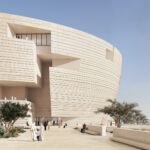
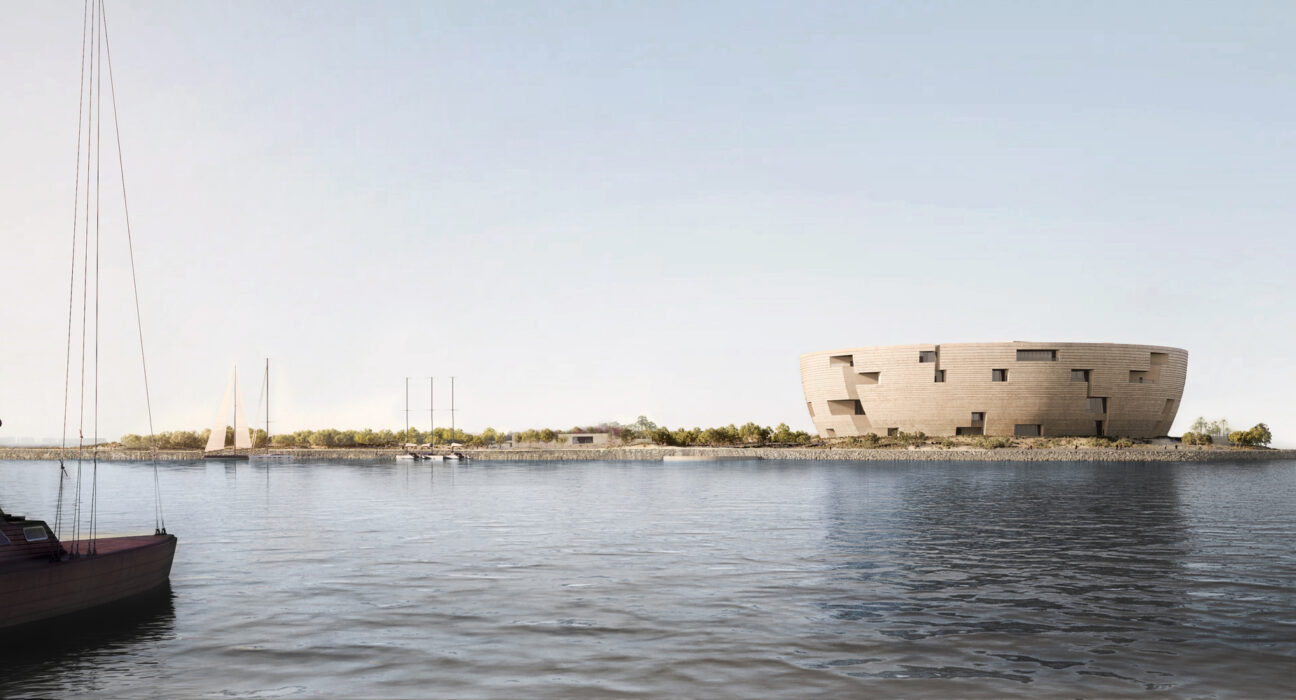
The newly unveiled visuals suggest a project that is both iconic and deeply site-specific. Designed by Pritzker Prize-winning firm Herzog & de Meuron, the Lusail Museum appears as a composition of powerful geometric volumes rising from the landscape with a commanding presence. Its silhouette feels monumental yet refined, aligning with the firm’s long-standing interest in materiality, mass, and cultural context.
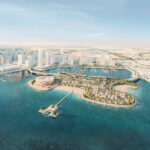
Located on Qatar’s Al Maha Island, the museum is expected to become a defining feature of Lusail’s architectural landscape. In the broader world of architecture news, the project stands out because it merges destination-scale cultural planning with the language of contemporary luxury architecture. Rather than relying on spectacle alone, the design appears to balance visual impact with a strong sense of place.
Key qualities visible in the new images include:
- Monolithic forms that create a memorable skyline presence
- A sculptural massing strategy that evokes permanence and prestige
- Careful orientation toward the waterfront setting
- Grand, ceremonial spatial composition suited to a world-class museum
- An aesthetic that feels both contemporary and regionally resonant
How the Design Reflects Qatar’s Cultural and Luxury Ambitions
Qatar has spent the past decade investing heavily in cultural institutions, urban development, and design-led destination building. The Lusail Museum fits squarely within that strategy. This piece of architecture news highlights how the country continues to use landmark architecture as a tool for cultural diplomacy, tourism, and long-term urban identity.
Al Maha Island is already associated with upscale leisure, entertainment, and waterfront living, making it a natural setting for a museum of this stature. The project’s visual language supports the surrounding luxury ecosystem while elevating it with intellectual and civic value. In that sense, the museum is not just a building; it is part of a curated lifestyle environment where architecture, culture, and luxury home inspiration intersect.
For audiences interested in luxury architecture and luxury design, the Lusail Museum also reflects several broader trends:
- Cultural landmarks as lifestyle anchors: Museums are increasingly used to define premium districts and attract international attention.
- Statement architecture with regional grounding: Global firms are creating iconic buildings that still respond to local climate, heritage, and geography.
- Experiential design: Destination projects now prioritize atmosphere, arrival sequences, and visual storytelling as much as program.
Herzog & de Meuron’s Signature Approach on Display
One reason this project is making waves in architecture news is the reputation of Herzog & de Meuron itself. The Swiss practice is known for creating buildings that are intellectually rigorous, materially expressive, and instantly recognizable without repeating a formula. Across museums, stadiums, and cultural institutions, the firm often explores how architecture can feel elemental and emotionally resonant at the same time.
In the Lusail Museum images, that sensibility is evident in the building’s weight, rhythm, and compositional clarity. The forms appear carved rather than decorated, emphasizing architecture as object and environment rather than surface-level styling. This approach aligns especially well with luxury design audiences, who increasingly value substance, craftsmanship, and timelessness over short-lived visual trends.
Why the project matters beyond the museum sector
The influence of major cultural buildings often extends far beyond institutional design. Projects like the Lusail Museum can shape preferences in:
- Luxury home architecture: through the use of bold volume, restrained palettes, and sculptural geometry
- Luxury decor: by inspiring interiors that favor texture, shadow, natural materials, and gallery-like calm
- Luxury home decor: through a renewed appreciation for statement lighting, curated objects, and spatial minimalism
That crossover appeal is why this development belongs at the center of today’s architecture news conversation.
What the New Images Suggest About the Visitor Experience
Although the released visuals focus primarily on the exterior expression, they hint at a highly orchestrated visitor journey. The museum appears designed to create anticipation through scale, procession, and contrast. Expansive approaches, monumental entrances, and layered volumes suggest a sequence of spaces that will likely feel immersive from the moment guests arrive.
In premium cultural architecture, the experience outside the gallery walls matters as much as the exhibitions within them. The waterfront context of Al Maha Island gives the Lusail Museum an added advantage, allowing architecture and landscape to work together. Reflections, open skies, and coastal light could become central components of the building’s identity.
From an urban perspective, the museum may also serve as:
- A visual anchor for the island
- A civic gathering point
- A tourism driver for Lusail and greater Doha
- A benchmark for future waterfront cultural development in the region
Why This Architecture News Story Resonates with Luxury Design Readers
For readers in the luxury architecture, luxury decor, and luxury home space, this story is compelling because it demonstrates how top-tier architecture shapes aspiration across categories. The Lusail Museum is not just an institutional project; it is a case study in how scale, restraint, craftsmanship, and context can create enduring design value.
It also reinforces a broader lesson seen repeatedly in architecture news: the most powerful luxury environments are those that combine emotional impact with cultural meaning. In an era of image-driven design, buildings that communicate identity, place, and purpose stand apart.
Whether viewed as a museum, a landmark, or a symbol of Qatar’s design ambitions, the Lusail Museum already appears poised to become one of the region’s most talked-about architectural works.
Architecture news often moves quickly, but some projects deserve a longer look. Herzog & de Meuron’s Lusail Museum is one of them—a bold expression of luxury architecture and cultural vision that could define Al Maha Island for years to come. For anyone following global design, this is architecture news worth watching closely.