Architecture news this week spotlights two developments with global resonance: Antalya’s preparation to host COP31 and Foster + Partners’ unveiling of the World Trade Center Yerevan. Together, these stories reveal how cities are using architecture, planning, and design to project influence, attract investment, and shape a more sustainable future.
For readers across luxury architecture, luxury design, and luxury home categories, the bigger takeaway is clear: landmark projects and high-level urban events increasingly set the tone for material innovation, environmental strategy, and premium lifestyle trends. From climate-focused city positioning to iconic mixed-use developments, this round of architecture news offers a revealing look at where global design is headed next.
Architecture News: Why Antalya’s COP31 Bid Matters
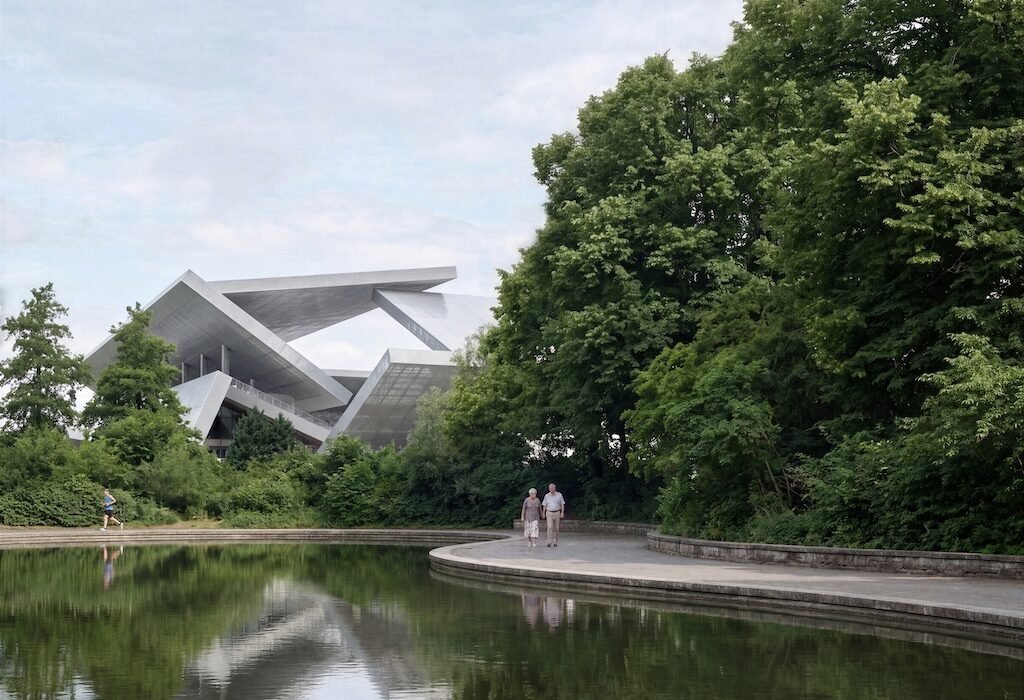
Antalya’s move to position itself as a host city for COP31 is more than a diplomatic headline. It signals a broader ambition to place the Turkish coastal city at the center of international conversations around sustainability, resilience, and future-ready urban development. In today’s architecture news cycle, climate summits are no longer separate from design discourse; they are deeply connected to how cities build, retrofit, and grow.
Hosting an event as influential as COP31 can accelerate investment in infrastructure, public space, mobility, and hospitality. For a destination known for tourism and Mediterranean lifestyle, the opportunity could reshape Antalya’s built environment in lasting ways. Major global events often push cities to upgrade:
- Transportation networks and airport connectivity
- Conference and cultural venues
- Sustainable urban infrastructure
- Public realm improvements and waterfront enhancements
- Luxury hospitality and mixed-use real estate offerings
This is one reason architecture news around climate summits matters to more than policymakers. Designers, developers, and property investors watch these moments closely because they often lead to new building standards, greener materials, and more ambitious urban design frameworks.
Climate Diplomacy Meets Urban Transformation
Antalya’s global profile makes it a compelling candidate for an event centered on environmental action. If the city advances its sustainability agenda through this process, it could become a case study in how high-visibility destinations balance growth with ecological responsibility. In architecture news, that balance is increasingly essential.
Luxury architecture is also evolving under this pressure. Today’s premium projects are expected to offer not only beauty and prestige but also measurable performance. Energy efficiency, passive cooling, low-carbon materials, and landscape-sensitive planning are becoming hallmarks of sophisticated design rather than niche features.
Foster + Partners Introduces World Trade Center Yerevan
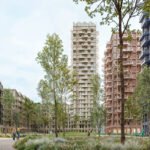
The second major item in this week’s architecture news is the unveiling of the World Trade Center Yerevan by Foster + Partners. As one of the world’s most recognized architecture firms, Foster + Partners brings immediate international attention to any city-scale development. In Yerevan, that attention could help reinforce the Armenian capital’s role as an emerging business, cultural, and design destination.
World Trade Center projects typically signal ambition. They are rarely just office buildings; instead, they often function as catalysts for urban renewal, international commerce, and mixed-use development. In this context, the World Trade Center Yerevan represents more than a standalone structure. It suggests confidence in the city’s future and a desire to create a globally legible architectural landmark.
A Landmark Project with Luxury Design Influence
For those following luxury design and luxury home decor trends, large-scale commercial architecture may seem distant at first glance. Yet the influence is real. High-profile developments often introduce:
- Refined material palettes that filter into residential interiors
- New standards for wellness-centered environments
- Advanced facade systems and daylight strategies
- Integrated landscape design and hospitality-inspired amenities
- Flexible spaces that blend work, leisure, and cultural activity
This is why architecture news from globally prominent firms matters across categories. Ideas debuted in towers, trade centers, and urban districts often reappear in luxury homes through finishes, spatial planning, and lifestyle-focused design features.
What These Stories Reveal About Global Design Priorities
Placed side by side, these architecture news developments point to several themes shaping the future of the built environment. Whether through a climate summit host city or an iconic commercial project, architecture is increasingly being used as a strategic tool.
1. Cities Are Branding Themselves Through Design
Antalya and Yerevan are both using built-environment narratives to strengthen their international identity. One emphasizes environmental leadership; the other highlights economic and architectural ambition. In both cases, design becomes a form of soft power.
2. Sustainability Is Now a Luxury Standard
In contemporary architecture news, sustainability is no longer separate from premium design. High-end projects are expected to combine elegance with performance. This applies across luxury architecture, luxury decor, and luxury home sectors, where clients increasingly value responsible sourcing, energy-conscious systems, and durable craftsmanship.
3. Mixed-Use Thinking Continues to Dominate
From conference-led urban improvements to major trade center developments, the dominant model is integration. Cities want districts that combine business, hospitality, public space, culture, and lifestyle. This mixed-use logic is also influencing luxury residential design, where homeowners seek spaces that support work, wellness, entertaining, and retreat.
Why This Architecture News Matters for Luxury Living Trends
The link between global architecture news and luxury living is stronger than ever. Signature projects and international urban initiatives often shape expectations far beyond their immediate sites. Homeowners, architects, and interior designers draw inspiration from these broader shifts in several ways:
- Material sophistication: Stone, metal, glass, and timber are being used with greater tactile richness and restraint.
- Environmental awareness: Homes are prioritizing natural ventilation, shading, and efficient systems.
- Hospitality influence: Residential spaces increasingly borrow from luxury hotel design, especially in bathrooms, lounges, and outdoor areas.
- Global aesthetic exchange: Major city projects help circulate design languages across regions.
For professionals and enthusiasts alike, following architecture news is one of the best ways to anticipate where luxury design is heading next.
Conclusion: A Week of Architecture News with Global Impact
This week’s architecture news captures a defining truth about contemporary design: architecture now sits at the intersection of climate strategy, economic ambition, and luxury lifestyle innovation. Antalya’s COP31 preparations reflect the growing importance of sustainable urban leadership, while Foster + Partners’ World Trade Center Yerevan underscores the enduring power of landmark architecture to transform a city’s image.
The key takeaway is simple: architecture news is no longer just about buildings. It is about how places compete, evolve, and inspire. For anyone invested in luxury architecture, luxury home decor, or the future of design, these developments are worth watching closely.