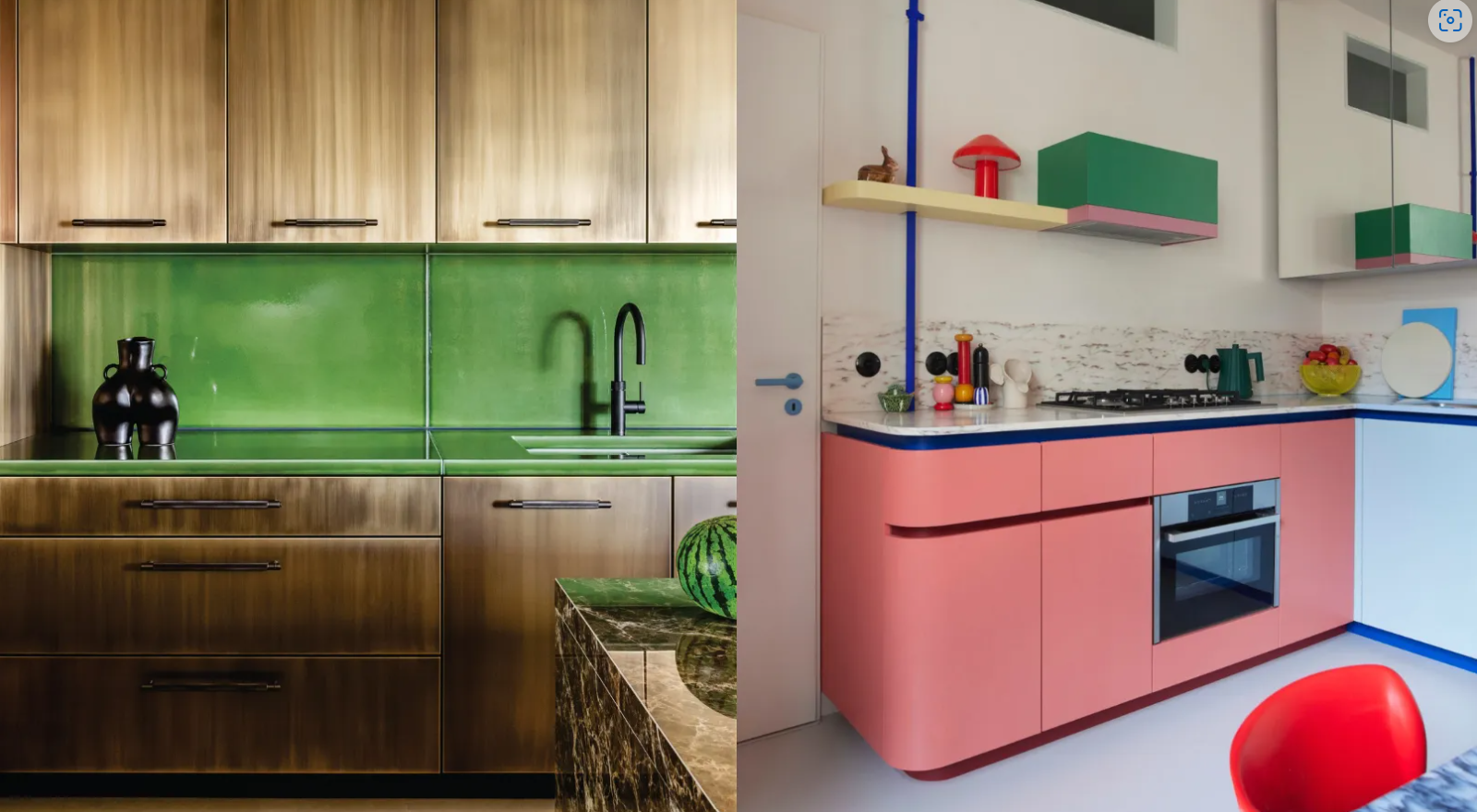
Architecture news often focuses on spectacular skylines, luxury residences, and design innovation, but some of the most important stories in the built environment are about something deeper: how space influences peace, conflict, and coexistence. On the International Day of Peace, the conversation expands beyond aesthetics to consider how architecture affects dignity, inclusion, recovery, and the everyday experience of civic life.
For readers interested in luxury architecture, luxury home design, and high-end interiors, this topic is especially relevant. True luxury is no longer measured only by rare materials or iconic forms. Increasingly, it is defined by environments that promote comfort, belonging, cultural continuity, and social resilience. From restorative public spaces to heritage preservation and memorial design, architecture reveals how thoughtfully shaped places can help communities heal and reconnect.
Architecture News and the Spatial Meaning of Peace
Peace is not simply the absence of war. It is also visible in the quality of streets, homes, schools, parks, and civic institutions. That is why architecture news has an essential role in showing how the built environment can either reduce tension or reinforce division.
Conflict leaves physical traces:
- Damaged housing and infrastructure
- Disrupted neighborhoods and forced displacement
- Loss of cultural heritage and shared identity
- Militarized or exclusionary public space
- Long-term spatial inequality in access to services and amenities
At the same time, design can support recovery by creating places for encounter, learning, remembrance, and inclusion. Architecture alone cannot solve political violence, but it can shape the conditions in which dialogue, trust, and stability become more possible.
Spaces for Encounter, Inclusion, and Everyday Civic Life
Some of the most meaningful examples in recent architecture news are not monumental buildings, but spaces that make daily life safer, more welcoming, and more humane. Educational campuses, neighborhood parks, community pavilions, and multi-use civic structures all contribute to a culture of coexistence.
Why inclusive public space matters
Well-designed shared environments can encourage people from different backgrounds to occupy the same space with dignity. This is particularly important in cities marked by inequality, segregation, or social tension. Thoughtful urban design can foster what luxury design increasingly values: emotional well-being, calm, and connection.
Key features of peace-supporting spaces include:
- Accessibility: Places that welcome different ages, abilities, and social groups
- Visibility and safety: Open, legible layouts that reduce fear and isolation
- Comfort: Shade, seating, greenery, and materials that make people want to stay
- Flexibility: Spaces that support gathering, play, reflection, and community events
- Local identity: Design that reflects culture, memory, and regional character
In luxury home and luxury decor circles, similar principles are emerging on a domestic scale. Homes are being designed not just as private retreats, but as restorative environments with natural light, tactile materials, indoor-outdoor continuity, and a stronger relationship to community.
Heritage, Reconstruction, and the Work of Recovery
Another major theme in architecture news is the role of restoration after destruction. When conflict damages historic districts, sacred sites, and craft traditions, the loss is not only architectural. It is social, cultural, and psychological.
Reconstruction therefore involves more than rebuilding walls. It requires rebuilding knowledge, reviving local craftsmanship, and restoring a sense of continuity. In places where war has damaged historic urban fabric, preservation projects often become acts of resilience. They help communities recover landmarks of belonging while protecting irreplaceable layers of identity.
Why rebuilding heritage matters
- It restores symbols of collective memory
- It supports local skills and artisanal knowledge
- It reconnects communities with familiar places
- It can stimulate economic renewal through culture and tourism
- It resists the erasure of history caused by conflict
This resonates strongly with luxury architecture and luxury home decor, where craftsmanship, authenticity, and material legacy hold growing value. Whether in a restored palazzo, a carefully preserved stone villa, or a contemporary residence inspired by regional traditions, design excellence often begins with respect for cultural memory.
Memorial Architecture and the Design of Collective Memory
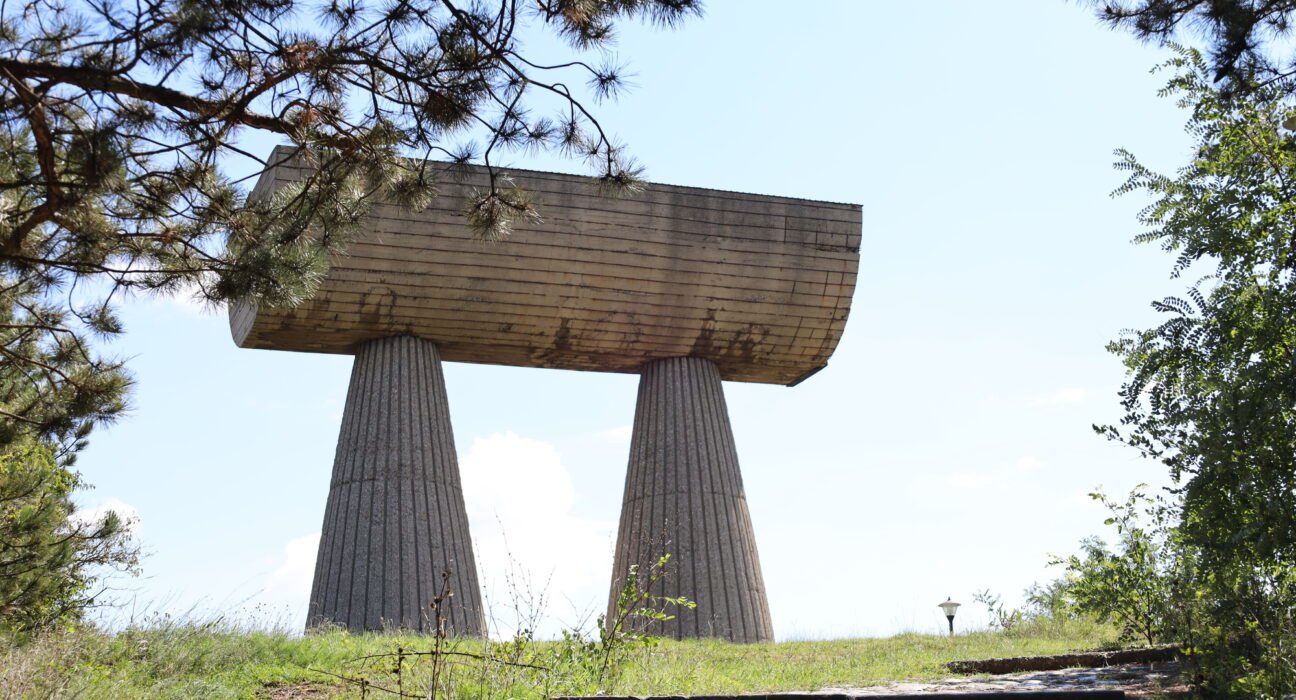
Not all architecture linked to peace is about rebuilding daily life. Some spaces are created to remember loss. Memorials, monuments, and commemorative landscapes occupy a unique place in architecture news because they translate historical trauma into physical form.
The best memorial architecture does not dictate a single emotion. Instead, it creates conditions for reflection. Through scale, materiality, voids, procession, and landscape, these projects allow visitors to engage with grief, remembrance, and the passage of time.
Design strategies used in memorial spaces
- Raw concrete or stone to convey permanence and gravity
- Open voids and negative space to suggest absence
- Sequential pathways that slow movement and encourage contemplation
- Water, light, and planting to soften intensity and support reflection
- Minimal detailing that keeps focus on experience rather than ornament
For designers in the luxury sector, memorial architecture offers a powerful reminder that minimalism can carry emotional depth. Material restraint, sensory atmosphere, and spatial sequencing are not only tools of elite design; they are also tools for meaning-making.
What Luxury Architecture Can Learn from Peace-Centered Design
One of the most compelling takeaways from this architecture news story is that high-end design can learn from projects rooted in social purpose. Luxury today is increasingly aligned with wellness, longevity, sustainability, and human-centered planning.
That means the future of luxury architecture may be defined by values such as:
- Privacy balanced with community connection
- Beauty paired with cultural responsibility
- Craftsmanship informed by local identity
- Security without hostility or exclusion
- Comfort that supports mental and emotional well-being
In this sense, peace-centered architecture is not separate from luxury living. It helps redefine it. The most exceptional spaces are those that feel generous, grounded, and capable of supporting both individual life and collective dignity.
Conclusion: Why Architecture News Matters Beyond Buildings
The most valuable architecture news does more than showcase new projects; it reveals how design shapes human experience in moments of stability, crisis, and recovery. On the International Day of Peace, architecture reminds us that homes, public spaces, heritage sites, and memorials all play a role in how societies remember, rebuild, and live together.
For anyone following luxury architecture, luxury decor, or luxury home trends, the lesson is clear: the future of meaningful design lies not only in visual refinement, but in spaces that foster inclusion, memory, and coexistence. That is why architecture news remains essential reading for understanding the real power of the built environment.