
Architecture news often focuses on spectacle, scale, and innovation, but some of the most important ideas shaping the future of design are rooted in ancient knowledge. As the world reflects on Indigenous cultures and their enduring relationship with land, materials, and memory, architects and luxury homeowners alike are beginning to recognize that ancestral constructive culture offers not a nostalgic look backward, but a sophisticated path forward.
Across continents, Indigenous building traditions reveal a deeper understanding of climate, place, and community. Far from being relics of the past, these systems continue to influence contemporary architecture, sustainable luxury homes, and high-end interior design through their intelligence, restraint, and respect for natural cycles.
Architecture News and the Return of Ancestral Building Intelligence
In today’s architecture news, Indigenous and vernacular architecture is increasingly being discussed as a living source of design innovation. This shift matters because many traditional structures have long been misunderstood as fragile, temporary, or primitive. In reality, they are often highly evolved responses to environment, culture, and social organization.
Indigenous construction is not simply about shelter. In many cultures, the idea of a house extends beyond walls and roofs to include kinship, ritual, territory, and ecological balance. That broader worldview challenges the modern building industry’s tendency toward standardization and offers a more holistic framework for luxury architecture and luxury home design.
For designers working in premium residential spaces, this perspective is especially valuable. True luxury is no longer defined only by rarity or cost, but by meaning, craftsmanship, authenticity, and environmental intelligence.
Why Indigenous Architecture Matters to Luxury Architecture
Luxury architecture is evolving. Clients increasingly want homes that feel grounded, serene, and connected to their setting rather than detached from it. Indigenous building knowledge supports that desire through principles that are timeless and remarkably relevant:
- Climate responsiveness: Structures are shaped by wind, sun, humidity, and seasonal change.
- Local materials: Earth, reeds, bamboo, plant fibers, timber, and stone reduce transport impact and create tactile richness.
- Cultural continuity: Buildings express identity and belonging rather than generic global aesthetics.
- Low-tech resilience: Simple systems often outperform complex ones in maintenance, repair, and long-term adaptability.
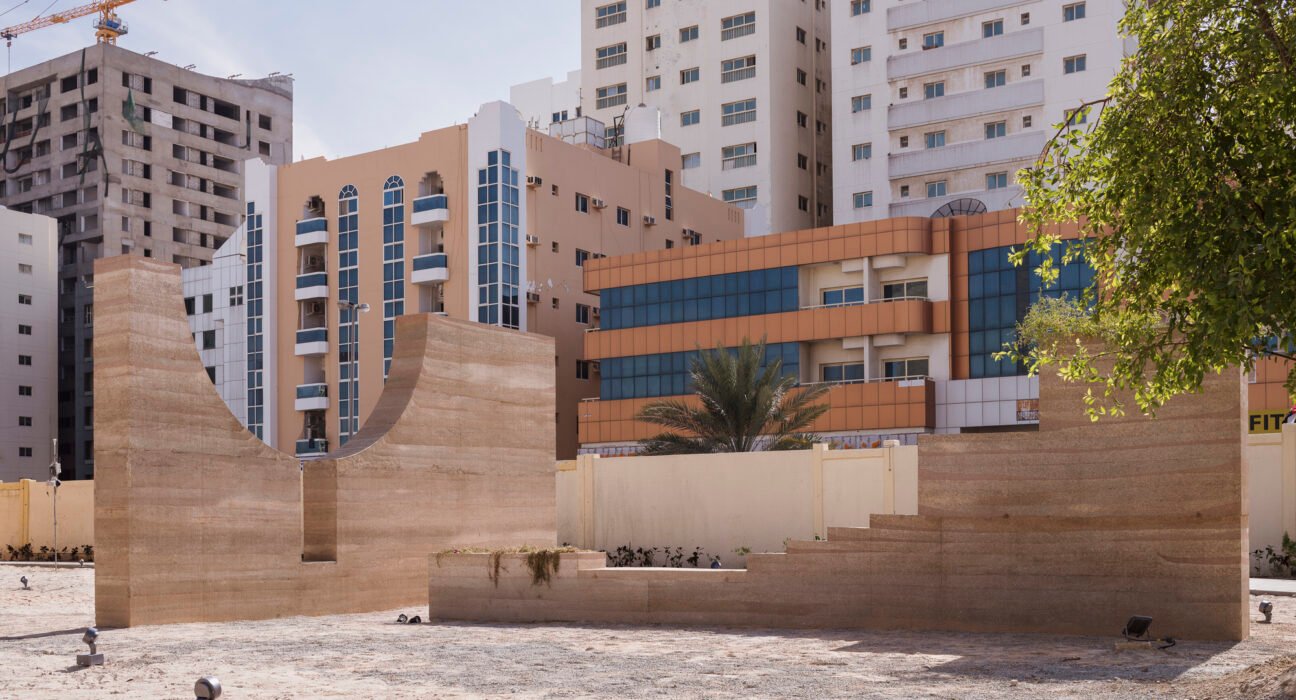
These ideas are now informing contemporary luxury design in both architecture and interiors. Designers are rediscovering rammed earth walls, clay finishes, natural fiber roofing, woven partitions, and regionally sourced materials not as stylistic gestures, but as high-performance, emotionally resonant choices.
From Vernacular to Contemporary Elegance
One of the strongest lessons from this architecture news conversation is that vernacular knowledge can be translated into refined modern spaces without losing its integrity. Earth construction, for example, can deliver sculptural minimalism, acoustic comfort, and thermal stability. Bamboo can create light, elegant forms with remarkable structural efficiency. Reeds and plant fibers can soften interiors while connecting homes to local craft traditions.
In luxury decor and luxury home decor, this results in spaces that feel calm, layered, and deeply material. Instead of relying on excess, they use texture, shadow, natural palettes, and artisanal detail to create sophistication.
Local Materials, Global Relevance
A key theme in recent architecture news is the global relevance of local knowledge. Examples from Latin America, Africa, South Asia, the Amazon, and Southeast Asia show how Indigenous and regionally rooted building systems are informing climate-conscious design worldwide.
Some of the most compelling materials and techniques include:
- Earth construction for thermal mass, low embodied carbon, and sculptural beauty.
- Bamboo systems for flexibility, renewable sourcing, and lightweight durability.
- Reed and thatch assemblies for breathable envelopes and strong ties to landscape.
- Stone and mud combinations for longevity and environmental harmony.
- Natural fibers and leaves for roofing, shading, and handcrafted interior elements.
For luxury homes, the use of these materials can elevate authenticity while reducing reliance on imported finishes. The result is a more site-specific architecture that feels exclusive because it cannot be replicated anywhere else in exactly the same way.
Technology, Sustainability, and the Future of Luxury Design
Another important dimension of this architecture news story is the relationship between traditional knowledge and modern technology. Indigenous building methods are sometimes wrongly framed as incompatible with contemporary life. In practice, digital tools, structural analysis, and advanced fabrication can support the preservation and refinement of vernacular techniques.
When used thoughtfully, technology can help:
- Document endangered construction knowledge
- Improve safety and code compliance
- Adapt traditional systems for contemporary luxury homes
- Connect craftspeople, researchers, and architects across regions
This does not mean replacing ancestral logic with industrial solutions. Rather, it means allowing modern tools to serve time-tested wisdom. For luxury design professionals, that balance can produce homes that are both technologically sophisticated and culturally grounded.
A New Definition of Prestige
The finest homes of the future may not be those with the most complex mechanical systems or the most imported materials. They may be the ones that work beautifully with their climate, honor local craft, age gracefully, and cultivate a sense of belonging. That is where Indigenous design knowledge becomes transformative for luxury architecture.
In this sense, prestige is shifting from display to discernment. A well-designed earthen wall, a roof shaped for seasonal rains, or a hand-finished natural surface can express more refinement than a purely decorative statement piece.
What Designers and Homeowners Can Learn Now
This wave of architecture news offers practical lessons for architects, developers, and design-conscious homeowners:
- Study the building traditions of the region before designing a new home
- Prioritize materials that belong to the local landscape
- Collaborate with craftspeople and knowledge holders
- Think beyond aesthetics to include ritual, social life, and ecology
- Use sustainability as a design generator, not a marketing label
For luxury home projects, these principles can lead to residences that are healthier, quieter, more energy efficient, and far more meaningful than trend-driven spaces.
Architecture news is increasingly pointing toward a simple truth: the future of great design may depend on how seriously we value ancestral knowledge. Indigenous constructive culture offers lessons in sustainability, beauty, and belonging that are highly relevant to luxury architecture, luxury decor, and contemporary living. For anyone shaping the next generation of homes, the takeaway is clear: building with memory, land, and local intelligence is not only responsible, it is the new standard of refined design.