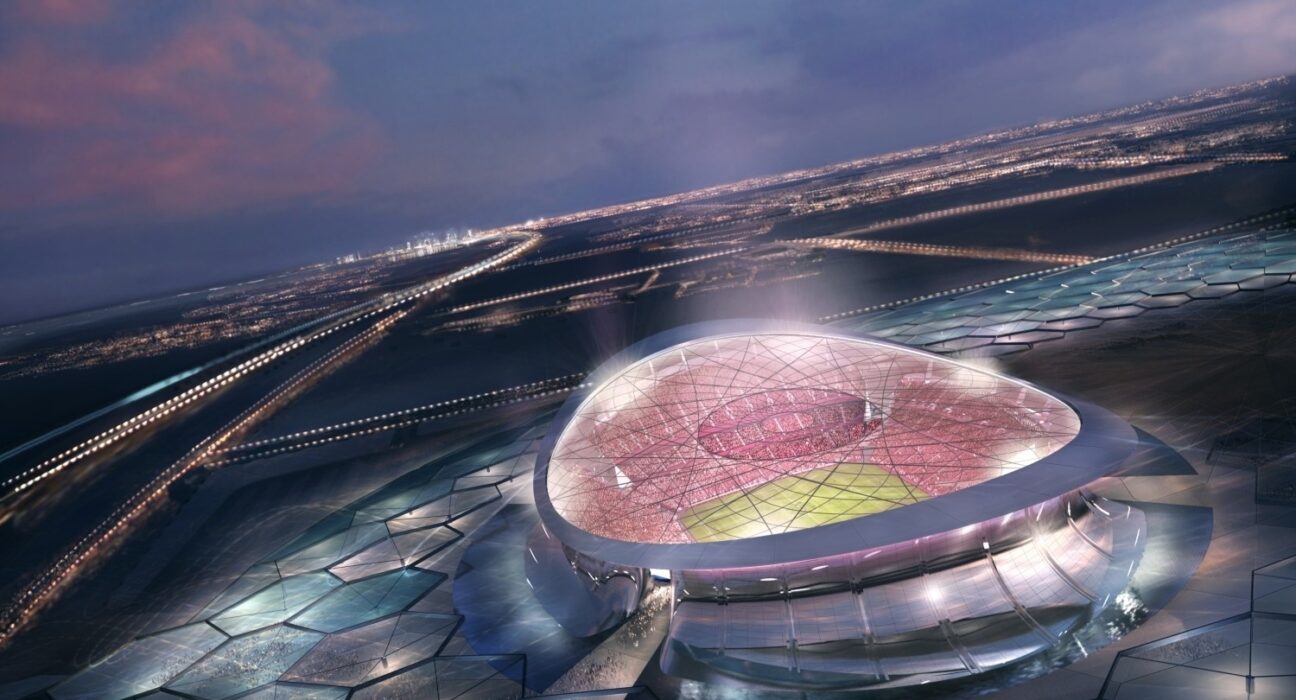
Architecture news rarely captures the world’s attention quite like a World Cup stadium. These arenas are no longer just places to watch football; they have become cultural landmarks, engineering statements, and in many cases, symbols of luxury architecture that reshape entire cities.
From ancient amphitheaters carved into hillsides to today’s climate-responsive mega-venues, stadium design has evolved alongside technology, media, and public expectations. The World Cup, in particular, has acted as a global testing ground for new ideas in form, comfort, sustainability, and prestige. What began as a simple need for clear sightlines and mass seating has become a sophisticated design challenge that blends spectacle with urban legacy.
Architecture News and the Evolution of the Stadium
The history of the stadium begins with a surprisingly timeless principle: give large crowds a good view of a shared event. Ancient Greek and Roman venues established the basic logic of tiered seating, acoustics, and communal gathering. Yet modern stadiums have expanded that formula dramatically.
In contemporary architecture news, sports venues are discussed not only as infrastructure but also as expressions of national identity and design ambition. The World Cup accelerated this shift by turning stadiums into international showcases. Host countries increasingly commission star architects and engineering firms to create venues that project innovation, elegance, and long-term value.
Today’s best stadiums must balance several priorities:
- Exceptional sightlines and crowd flow
- Structural innovation and iconic form
- Premium hospitality and luxury experiences
- Sustainability and energy performance
- Adaptability for concerts, events, and mixed-use programming
- A strong relationship with the surrounding city
From Monumental Arenas to Multi-Use Luxury Destinations
One of the biggest changes in stadium design is the move from single-purpose arenas to year-round destinations. Earlier World Cup venues were often monumental but limited in use. Modern projects, by contrast, are expected to generate value beyond tournament season.
This shift matters to readers interested in luxury architecture and luxury design because contemporary stadiums increasingly borrow from high-end hospitality. Premium lounges, private suites, sculptural interiors, curated lighting, and refined material palettes now play a major role in defining the fan experience. In some cases, these spaces feel closer to luxury hotels than conventional sports grounds.
The rise of hospitality-driven design
World Cup venues now feature:
- VIP clubs with bespoke furnishings and panoramic terraces
- Fine dining areas integrated into the stadium bowl
- Concourses designed with gallery-like openness and daylight
- High-end finishes such as metal mesh, engineered timber, and stone surfaces
- Flexible spaces for conferences, exhibitions, and private events
This hospitality layer has changed how architects think about stadium atmosphere. The venue must work for elite guests, families, international media, and local communities at once.
How the World Cup Influenced Stadium Innovation
Every World Cup leaves behind a design legacy, and that is why architecture news often revisits tournament venues years after the final match. These buildings tend to introduce or popularize ideas that later spread across sports architecture worldwide.
1. Better visibility and fan experience
Even the earliest successful stadiums prioritized views, but modern World Cup design refined this through advanced geometry and computational modeling. Seating bowls are now carefully calibrated so spectators sit closer to the action, with fewer obstructed views and stronger acoustics.
2. Structural expression as identity
Memorable stadiums often reveal their engineering as part of their visual language. Exposed trusses, cable-supported roofs, and diagrid skins create dramatic silhouettes that make venues instantly recognizable on television and in skyline photography.
3. Climate-responsive design
As tournaments move across different geographies, stadiums have had to respond to rain, heat, wind, and intense sunlight. This has encouraged innovations such as deep roof canopies, natural ventilation strategies, shading systems, and lightweight envelope materials.
4. Urban regeneration
Many host cities use World Cup stadiums to catalyze broader redevelopment. Transport infrastructure, public space, waterfronts, and mixed-use districts often evolve around these projects. The stadium becomes an anchor for long-term civic transformation rather than a standalone object.
Why Stadiums Matter in Luxury Architecture
At first glance, stadiums may seem distant from luxury home decor or luxury interiors. But the design language developed in elite sports venues often influences broader architectural trends. Materials, lighting concepts, crowd circulation strategies, and premium amenity planning can filter into hospitality, residential, and mixed-use design.
For example, the emphasis on seamless movement between public and private zones mirrors the zoning strategies seen in luxury homes. Likewise, the careful integration of technology, comfort, and aesthetics in premium suites reflects a growing expectation in luxury living environments: spaces should be immersive, intelligent, and beautifully detailed.
That crossover is one reason architecture news audiences continue to follow stadium design. These venues sit at the intersection of spectacle and usability, where engineering rigor meets high-end experience.
The Lasting Design Lessons of Great World Cup Stadiums
The most influential World Cup stadiums are not necessarily the biggest or the most expensive. They are the ones that redefine what a sports venue can be. Across decades of development, several enduring lessons stand out:
- Form must serve experience: iconic architecture succeeds when it improves comfort, orientation, and excitement.
- Flexibility is essential: stadiums need life beyond football through concerts, cultural events, and civic programming.
- Context matters: the strongest designs respond to local climate, culture, and urban conditions.
- Luxury is experiential: premium value today comes from atmosphere, service, and spatial quality, not decoration alone.
- Legacy defines success: a stadium’s true impact is measured years later through community use and urban contribution.
Conclusion: What Architecture News Reveals About the Future of Stadium Design
If one theme defines modern architecture news, it is that stadiums have evolved far beyond simple sporting enclosures. Driven in large part by the World Cup, they now function as civic icons, luxury destinations, and laboratories for design innovation.
The takeaway is clear: the future stadium will be more sustainable, more flexible, and more deeply integrated into everyday urban life. For anyone following luxury architecture, luxury design, or global architecture news, these venues offer a fascinating preview of how public buildings can combine performance, prestige, and lasting cultural value.