
Architecture news rarely offers such an intimate view of where design ideas actually begin. In Marc Goodwin’s latest Belgian survey, the spotlight shifts from finished buildings to the studios behind them, revealing how atmosphere, heritage, and daily rituals shape some of the country’s most compelling architectural practices.
Part of Goodwin’s ongoing Atlas of Architectural Atmospheres, this visual study travels through Antwerp, Brussels, and Ghent to document architecture offices ranging from major firms to boutique studios. For readers interested in luxury architecture, luxury design, and the creative culture behind elevated interiors, the series is a revealing look at how workspace design influences architectural thinking itself.
Architecture News from Belgium: Why These Offices Matter
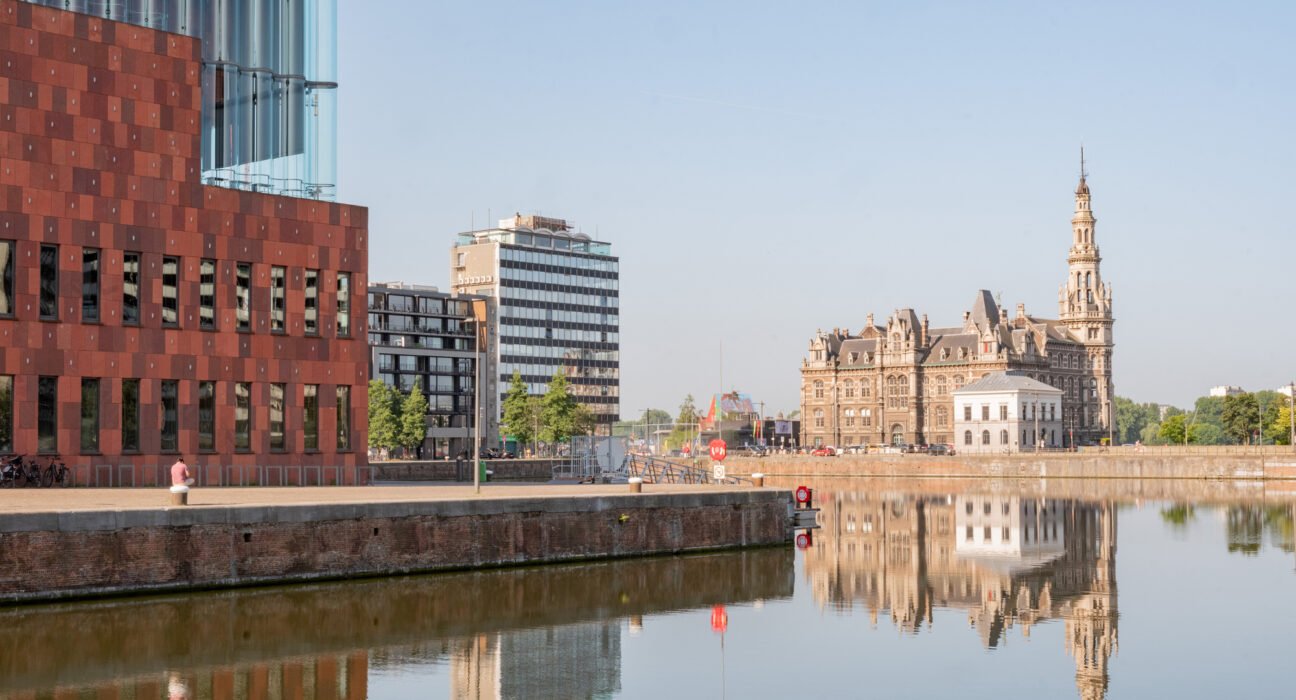
Belgium’s architecture studios are not simply workplaces; many are adaptive reuse success stories layered with memory and material character. Former cinemas, diamond workshops, waterfront service buildings, depots, and logistics halls have been transformed into dynamic creative environments. That makes this chapter of architecture news especially relevant in an era when the best design conversations increasingly center on sustainability, heritage, and meaningful spatial experience.
What stands out across Goodwin’s photographs and the studios’ own reflections is a shared belief: a great office must do more than function efficiently. It should support collaboration, calm, experimentation, and identity. In other words, the workplace has become an architectural statement in its own right.
Marc Goodwin’s Belgian Office Portraits Capture Atmosphere, Not Just Interiors
Unlike traditional office photography, Goodwin’s work is less about polished corporate branding and more about lived-in creative energy. His images show spaces as architects use them every day: desks surrounded by models, soft daylight on raw materials, communal tables, plants, books, and traces of ongoing work.
This is what makes the project valuable beyond visual appeal. It contributes to broader architecture news by documenting how contemporary practices define office culture today. Rather than promoting a single ideal, the Belgian studios present multiple visions of what a productive and inspiring environment can be.
A recurring theme: adaptive reuse with character
Several firms occupy buildings with striking former lives, proving that the best design studios often emerge inside spaces with history.
- B-architecten works in Antwerp’s former Cinema Lux, originally built in 1913.
- i.s.m.architecten occupies a former diamond cutting workshop dating to 1895.
- Binst Architects has transformed a storage facility once used for rubber from Congo.
- POLO.platform Brussels operates from a 1906 site once used for logistics and later large cultural events.
- FELT architecture & design creates within a former fabric depot and sewing workshop.
For luxury home and luxury decor enthusiasts, there is an important takeaway here: timeless design often grows from strong bones, material honesty, and layered narratives rather than excessive ornament.
What Belgian Architects Say Makes a Great Office
One of the most compelling aspects of this piece of architecture news is that every practice answered the same question about ideal office space and culture. Their responses reveal both practical needs and emotional priorities.
Home-like comfort and human scale
Studio Okami describes its workplace as a “home office away from home,” emphasizing comfort with focus. Contekst highlights variety and a human-centered approach to functions and space allocation. These perspectives align closely with current luxury home decor trends, where warmth, softness, and usability are valued as highly as visual refinement.
Community and shared rituals
BRUT Architecture and Urban Design points to spaciousness, light, city views, greenery, and daily shared meals as key ingredients in office culture. POLO.platform emphasizes open exchange between disciplines and spontaneous interaction. OUEST similarly describes the office as more of an atelier than a conventional workplace.
Together, these ideas reinforce an important shift in workplace design:
- Collaboration needs open space.
- Focus requires places for retreat.
- Culture grows through routine, not only layout.
- Atmosphere is shaped by people as much as architecture.
Creativity through flexibility
OYO’s reflection is especially contemporary, describing an office that evolves with its people and encourages communication, creativity, and innovation. FELT architecture & design adds another dimension through shared coworking, generous scale, and freedom for mock-ups and testing. Meanwhile, i.s.m.architecten offers a memorable counterpoint: creativity needs chaos, and a good office should welcome it.
That tension between order and improvisation is central to today’s most compelling architecture news. The strongest creative spaces are often those that leave room for change.
Standout Studios in Antwerp, Brussels, and Ghent
Goodwin’s Belgian selection spans firm sizes, cities, and working styles, offering a broad portrait of the national design scene.
- Antwerp: B-architecten, Studio Okami, i.s.m.architecten, POLO.platform Antwerp, Binst Architects, Contekst, and Bruno Spaas Architectuur.
- Brussels: OUEST, BRUT Architecture and Urban Design, and POLO.platform Brussels.
- Ghent: Stand Van Zaken, OYO, Robbrecht en Daem Architecten, and FELT architecture & design.
From one-person studios to firms with more than 80 staff, the range demonstrates that office quality is not determined by scale alone. Some spaces feel luxurious because of volume and views; others because of intimacy, calm, or thoughtful material presence.
Why This Matters for Luxury Architecture and Design
This moment in architecture news resonates beyond the profession because it mirrors larger shifts in high-end residential and interior design. Luxury architecture today is moving toward authenticity: natural light, tactile materials, adaptive reuse, flexible planning, and emotional comfort. The Belgian offices documented by Goodwin embody those values in real time.
For designers, homeowners, and enthusiasts alike, these studios offer inspiration that translates well beyond commercial workplaces:
- Preserve architectural history where possible.
- Design for atmosphere, not just appearance.
- Balance openness with privacy.
- Use greenery and material texture to soften raw spaces.
- Create rituals and social zones that make interiors feel alive.
In that sense, this is more than visual documentation. It is a lesson in how great environments support both beauty and performance.
Conclusion: Architecture News That Reveals Where Great Design Begins
The most memorable architecture news does more than showcase completed buildings; it reveals the spaces where ideas are tested, debated, and refined. Marc Goodwin’s look at Belgium’s architecture offices does exactly that, capturing a design culture shaped by heritage buildings, collaborative values, and deeply personal definitions of what a good workplace should be.
The clear takeaway is simple: whether in a luxury home, a design studio, or an urban atelier, exceptional spaces succeed when they combine identity, comfort, and room for creativity. That is the real story behind this chapter of architecture news.