In the world of Architecture news, few cultural buildings capture attention like a museum that feels both iconic and inviting. ICA Miami, designed by Aranguren & Gallegos Arquitectos, stands out as a refined example of how contemporary architecture can elevate a city’s cultural identity while delivering a striking visual experience.
Completed in 2017 in Miami, United States, the 3,450-square-meter museum serves as the headquarters of the ICA Miami Foundation. More than a container for art, the building is conceived as a civic landmark: luminous, elegant, and open to the surrounding urban fabric. For readers interested in luxury architecture, luxury design, and the evolving language of museum spaces, ICA Miami offers an inspiring case study in restraint, precision, and atmosphere.
Architecture News Spotlight: A Museum Designed as a “Magic Box”
The defining concept behind ICA Miami is deceptively simple: a glowing cubic volume imagined as a “Magic Box.” This idea gives the project its memorable identity. Rather than relying on excessive formal complexity, Aranguren & Gallegos Arquitectos developed a pure geometric form that gains richness through light, materiality, and carefully controlled transparency.
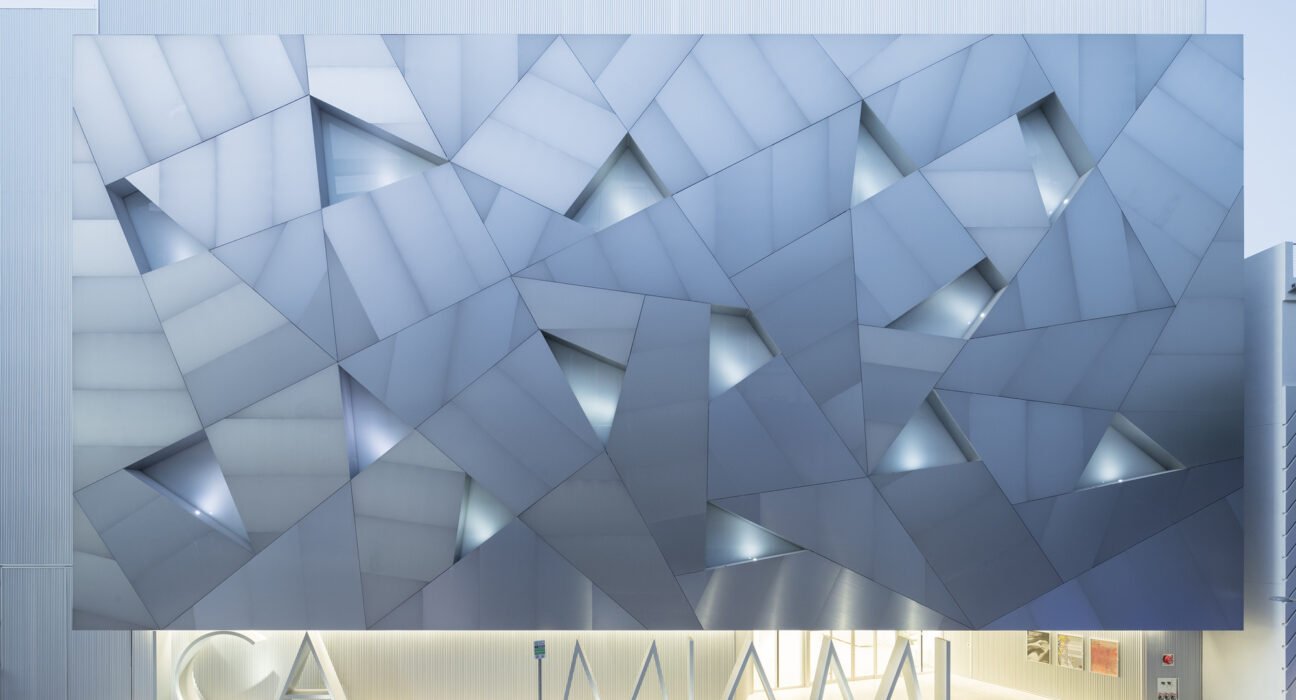
The museum opens itself to the city through perforated, reflective facades on the north and south sides. This move is critical to the building’s success. It allows the structure to appear solid and sculptural from a distance, yet dynamic and permeable up close. The result is a museum that feels prestigious without becoming aloof, an essential quality for a cultural institution in a vibrant city like Miami.
In today’s Architecture news cycle, projects often compete for attention through spectacle. ICA Miami takes a different route. Its impact comes from disciplined design, where every architectural gesture contributes to the larger civic and artistic mission.
How ICA Miami Enhances Miami’s Cultural Landscape
Miami has long been associated with bold design, luxury living, and an international creative scene. ICA Miami strengthens that reputation by positioning itself as both an artistic reference point and an architectural icon. The building does not merely house exhibitions; it contributes to the city’s broader image as a global destination for art, design, and contemporary culture.
This is especially relevant within luxury architecture and luxury design circles, where cultural buildings increasingly shape the identity of neighborhoods and cities. Museums today are expected to do more than function efficiently. They must create memorable public experiences, enrich the streetscape, and communicate institutional values through form.
ICA Miami achieves that through:
- Urban openness that visually connects the museum to the city
- A refined contemporary silhouette that reads as both timeless and modern
- Light-driven design that transforms the building throughout the day
- Strong symbolic presence that supports its role as a cultural landmark
For followers of Architecture news, this museum illustrates how high-design cultural projects can support placemaking without overwhelming their context.
Design Details That Define the Experience
Perforated and Reflective Facades
The north and south facades are central to the museum’s identity. Their perforated character softens the cubic volume and creates a layered visual effect that changes with light and movement. Reflection adds another dimension, allowing the building to engage with Miami’s brightness and atmosphere in a subtle yet sophisticated way.
This interplay between enclosure and openness is one of the project’s most compelling features. It speaks directly to current conversations in Architecture news about facade innovation, environmental responsiveness, and the emotional effect of material surfaces.
A Luminous Architectural Language
Described as a luminous volume, the museum embraces light not just as a practical necessity but as a design medium. That approach is particularly fitting for Miami, where daylight is intense and ever-present. The building’s radiance enhances its gallery-like purity while helping it maintain a welcoming, almost ethereal presence.
In luxury home decor and luxury interior conversations, light is often treated as a premium design element. ICA Miami extends that principle to an institutional scale, proving that illumination can define architecture as powerfully as structure or ornament.
Clarity Over Excess
Another lesson from ICA Miami is the value of architectural clarity. The project does not rely on visual clutter or dramatic fragmentation. Instead, it demonstrates how proportion, surface treatment, and conceptual consistency can produce a powerful result. This makes it especially relevant to audiences drawn to luxury decor and luxury home aesthetics, where clean lines and material restraint continue to shape high-end taste.
Project Facts and Team Behind ICA Miami
For readers tracking important projects in Architecture news, here are the key details:
- Project: ICA Miami Museum
- Architects: Aranguren & Gallegos Arquitectos
- Architects in Charge: Mª José Aranguren López, José González Gallegos
- Location: Miami, United States
- Category: Museum
- Area: 3,450 m²
- Completion Year: 2017
- Photographs: Iwan Baan, Fredrik Nilsen
- Manufacturers: Armstrong Ceilings, Alu-Stock, Cree, XAL
The broader design team also included Pablo Aranguren, Blanca Juanes Juanes, Miguel Alonso, Jacobo Arenal Frías, María González Aranguren, Eduardo Tazón, Alba Carrasco Simón, Belén González Aranguren, and Ander Ibarra Paniagua.
Why ICA Miami Still Matters in Architecture News
Years after its completion, ICA Miami remains highly relevant because it represents a lasting shift in museum design. Contemporary cultural architecture is increasingly expected to be accessible, urban, and visually memorable without sacrificing curatorial function. This museum answers that challenge with confidence.
Its design also resonates beyond institutional architecture. For those immersed in luxury home, luxury decor, and luxury design, ICA Miami offers ideas that translate across scales: the power of a restrained palette, the beauty of reflective surfaces, and the transformative role of natural light.
Ultimately, the building succeeds because it balances iconography with usability. It is a landmark, but it is also a place for people, art, and the city itself. That balance is precisely why ICA Miami continues to deserve attention in Architecture news.
As a takeaway, ICA Miami shows that great cultural architecture does not need excess to feel extraordinary. In the fast-moving world of Architecture news, this luminous “Magic Box” remains a benchmark for elegant museum design, urban presence, and contemporary luxury in architectural form.