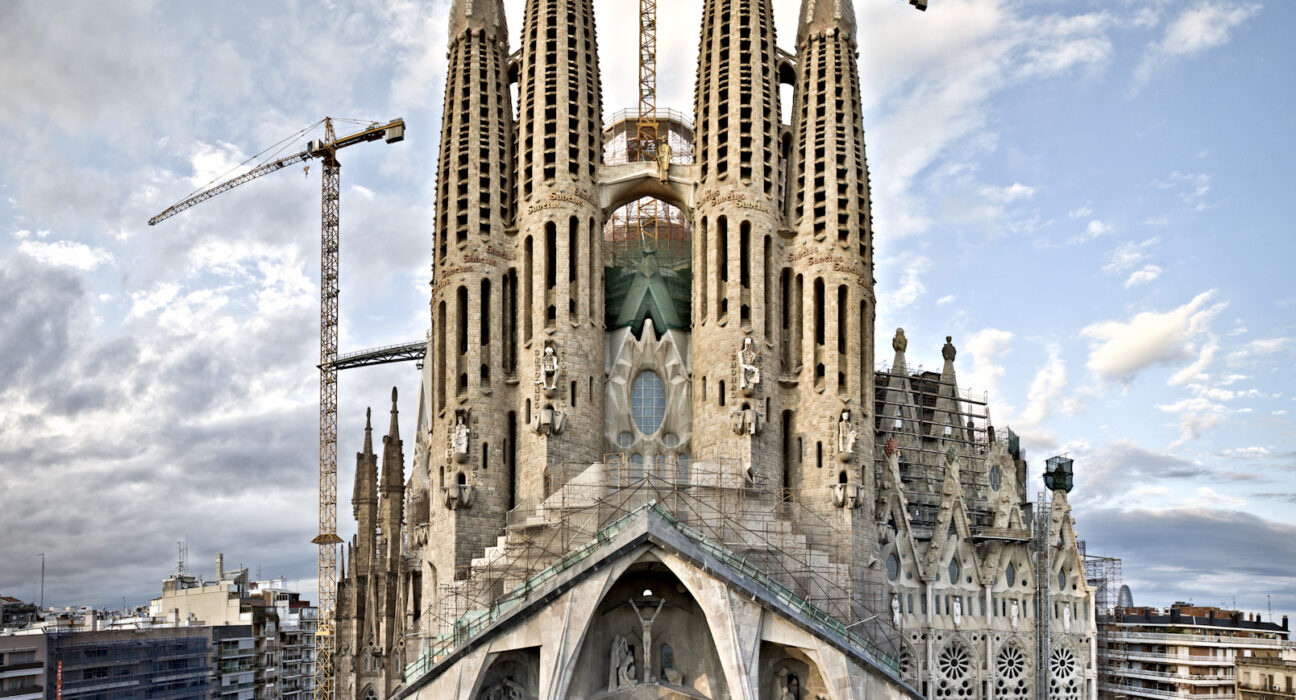
Architecture news rarely captures the imagination quite like La Sagrada Familia. More than a landmark, Barcelona’s extraordinary basilica is a living lesson in luxury design, sacred symbolism, and architectural innovation that has evolved across nearly a century and a half.
Begun in 1882 and still advancing toward completion, La Sagrada Familia remains one of the world’s most compelling works of monumental architecture. Designed by Antoni Gaudí, the temple blends Gothic tradition, Catalan Modernisme, advanced geometry, and artisan craftsmanship into a singular experience that continues to influence luxury architecture, luxury home decor, and high-end design thinking today.
Architecture News Spotlight: Why La Sagrada Familia Still Matters
In the world of architecture news, few buildings command the same cultural and creative relevance as La Sagrada Familia. Its long construction timeline is not a sign of stagnation, but of ambition. Gaudí understood from the outset that he would never see the basilica completed, yet he designed it as a generational project—one that would preserve the spirit of the work while allowing future architects and craftspeople to carry it forward.
That vision has turned the church into a rare collaboration across centuries. It is at once historic and contemporary, rooted in religious meaning while constantly shaped by evolving construction methods. For readers interested in luxury design and luxury architecture, it offers a powerful example of how timeless ideas can remain fresh through innovation.
Gaudí’s Vision: A Gothic Plan Reimagined
Gaudí took over the project in 1883, inheriting a Latin cross plan associated with traditional Gothic cathedrals. Rather than simply continue that language, he transformed it. His major breakthrough was structural: he replaced the Gothic dependence on flying buttresses with a system of angled interior columns and complex vaulting that redirected forces inward.
This engineering move did more than solve a technical problem. It changed the building’s visual identity, allowing interiors to feel lighter, more fluid, and more organic. That union of performance and beauty is a principle still celebrated in architecture news and contemporary luxury spaces.
The Geometry Behind the Drama
La Sagrada Familia is famous for its use of ruled surfaces and mathematically sophisticated forms, including:
- Hyperboloids
- Parabolas
- Helicoids
- Conoids
These geometries allowed Gaudí to create thinner structural elements while improving light diffusion and acoustics. The result is a building that feels both monumental and ethereal—qualities often pursued in luxury home and luxury decor projects today.
To develop these forms, Gaudí relied on plaster models and inventive hanging-chain studies made with strings and weights. By inverting the resulting shapes, he could identify ideal structural paths for arches, columns, and vaults. It was an analog design process with remarkable precision, proving that innovation does not depend solely on digital tools.
A Sacred Interior That Feels Like a Forest
One of the most unforgettable features in this chapter of architecture news is the central nave. Rising to about 45 meters, it is designed to evoke a forest of branching stone trees. Columns in Montjuïc stone and granite shift in shape as they ascend, moving from polygonal bases toward more rounded forms near the top.
This transformation creates an interior with extraordinary movement and calm. Slender columns split and branch upward, guiding the eye to circular openings in the vaults where daylight pours through. Green and gold Venetian glass tiles intensify the glow, creating a layered atmosphere that feels immersive and luxurious without relying on conventional ornament.
For luxury home decor enthusiasts, the lesson is clear: materials, light, and form can create emotional richness more effectively than excess. La Sagrada Familia demonstrates how design can feel lavish through harmony, craftsmanship, and sensory depth.
The Three Facades and Their Symbolic Power
Symbolism is central to La Sagrada Familia’s identity. Gaudí designed three principal facades, each expressing a different theological theme and each contributing to the building’s sculptural complexity.
Nativity Facade
The Nativity Facade is richly detailed and organic, with intricate surfaces and a sense of abundance. It reflects life, growth, and celebration, and closely aligns with the expressive naturalism associated with Gaudí himself.
Passion Facade
In contrast, the Passion Facade is more austere and angular. Its dramatic sculptural language, notably shaped by Josep Maria Subirachs, introduces a sharper, more modern tension that reinforces the emotional gravity of the subject.
Glory Facade
The Glory Facade, intended as the grandest entrance, represents spiritual ascent. Together, the three facades create a layered narrative in stone, making the basilica a masterpiece not only of architecture but of visual storytelling.
Towers, Restoration, and the Role of Technology
No survey of architecture news around La Sagrada Familia would be complete without its iconic towers. When finished, the basilica will include eighteen towers, each tied to Christian symbolism. Apostles, Evangelists, the Virgin Mary, and Christ are all represented in a vertical composition that ensures a distinct silhouette from every viewpoint.
The project’s long history has included major setbacks. Funded through private donations, construction has often been slowed by finances. The destruction of Gaudí’s workshop during the Spanish Civil War was especially devastating, as it erased much of his original documentation.
Yet the project endured. Later architects and artisans worked from surviving drawings, fragments, and plaster models to continue the basilica in fidelity to Gaudí’s intent. In recent decades, digital tools such as 3D modeling, CAM systems, and printed models have become essential to interpreting the building’s complex geometry.
This blend of craft heritage and cutting-edge technology is one reason La Sagrada Familia continues to dominate architecture news. It proves that preservation and innovation are not opposites—they are often partners.
Luxury Design Lessons from La Sagrada Familia
Beyond its religious and civic importance, the basilica offers enduring lessons for luxury architecture and luxury design:
- Nature is a design system: Organic structure can deliver both beauty and performance.
- Light is a material: Color, reflection, and daylight shape emotional experience.
- Craft matters: Fine detail and human touch give spaces lasting value.
- Meaning elevates design: Symbolism and story create deeper connection.
- Innovation should serve vision: Technology works best when guided by a strong artistic concept.
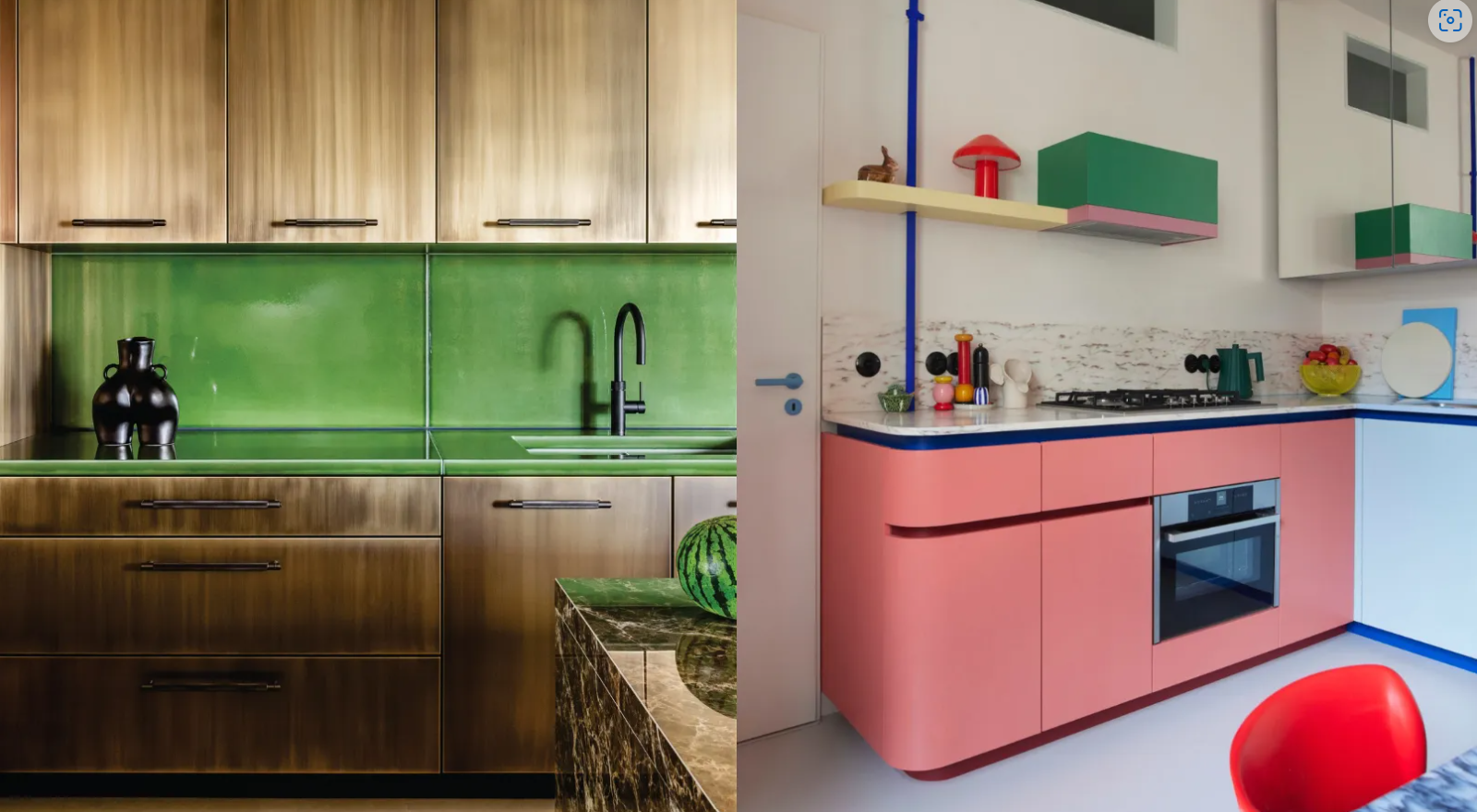
These ideas continue to resonate across luxury home, luxury home decor, and premium interior design, where clients increasingly seek spaces that feel personal, timeless, and culturally rich.
Conclusion: Why La Sagrada Familia Remains Essential Architecture News
As a subject of ongoing architecture news, La Sagrada Familia is far more than an unfinished monument. It is a rare architectural achievement that combines faith, geometry, artistry, and technological progress in one extraordinary structure. Gaudí’s masterpiece reminds us that the greatest buildings are not just constructed—they are cultivated over time.
For anyone passionate about luxury architecture, luxury decor, and visionary design, La Sagrada Familia stands as a benchmark of what architecture can become when imagination, patience, and craftsmanship work together across generations.