Fresh Architecture news from Shanghai offers a striking look at one of the world’s most anticipated cultural buildings. Newly released construction images of Snøhetta’s Shanghai Grand Opera House reveal a project that is not only advancing rapidly, but also redefining what a luxury cultural landmark can be in a global city.
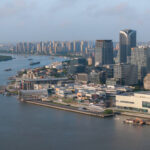
Set in Shanghai’s Expo Houtan district, the opera house is scheduled for completion in 2025 and is designed to welcome audiences for traditional opera, classical productions, and experimental performances alike. For readers interested in luxury architecture, luxury design, and elevated public spaces, this project stands out as a compelling example of how iconic form, civic ambition, and refined materiality can come together in one destination.
Architecture News: A New Cultural Icon for Shanghai
The latest Architecture news around this project confirms its growing significance within Shanghai’s broader urban transformation. Commissioned after an international competition in 2019, the Shanghai Grand Opera House is planned as a centerpiece of a major masterplan for the Expo Houtan neighborhood. More than a standalone performance venue, it is envisioned as a public anchor that enhances Shanghai’s cultural profile on the world stage.
This ambition matters. Major opera houses have long served as symbols of civic identity, but Snøhetta’s proposal goes further by treating the building as a shared social landscape. Its role is not limited to ticketed events inside the halls; it is also meant to attract residents and visitors throughout the day, extending the experience of culture into the urban realm.
That approach aligns with current trends in luxury architecture, where prestige is increasingly measured not only by spectacle, but by accessibility, flexibility, and the quality of public engagement.
The Fan-Shaped Roof and Spiraling Public Experience
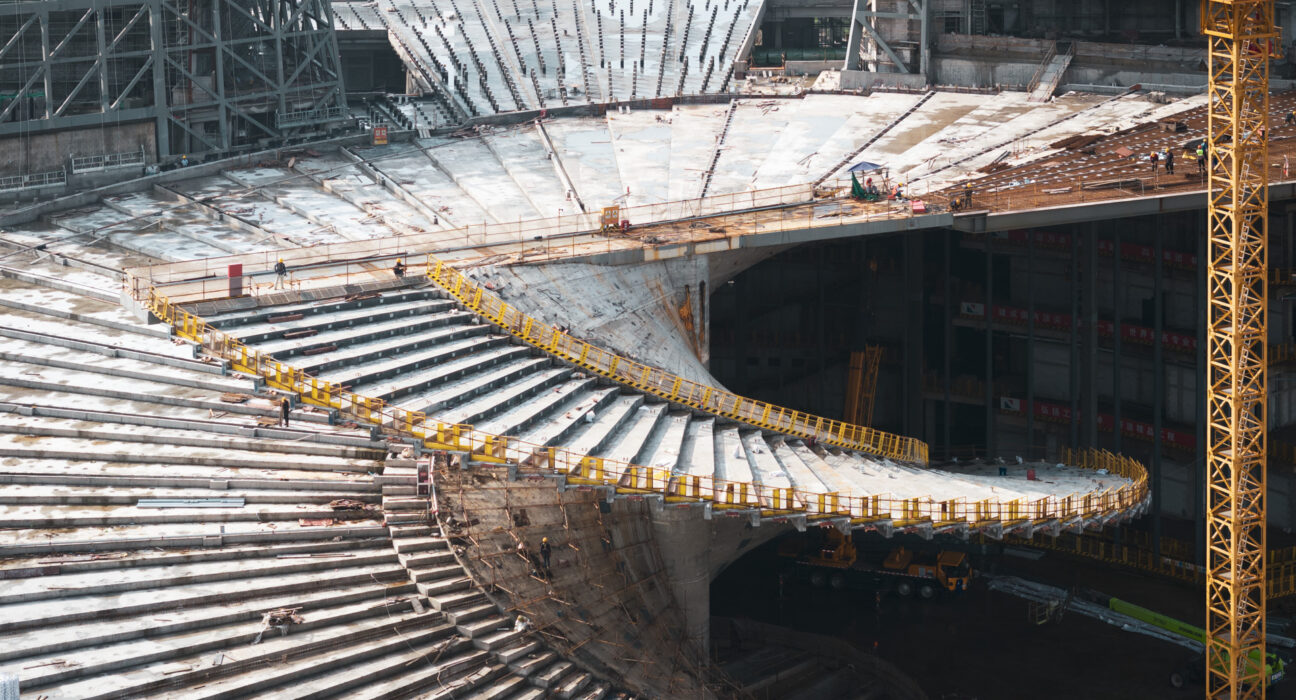
The defining visual feature in this Architecture news story is the opera house’s dramatic fan-shaped roof. Inspired by movement and performance, the roof unfolds into a spiraling form that expresses energy, rhythm, and collective gathering. Rather than functioning as a purely formal gesture, this sculptural element becomes a walkable staircase that connects the ground plane to the rooftop.
This move is especially important from a design perspective. It transforms the building into an experience that begins before visitors ever enter the auditorium. The ascent offers panoramic views over the riverfront, encouraging people to inhabit the architecture as a public promenade.
Key design highlights include:
- A sweeping fan-like roof that symbolizes motion and dance
- A spiraling stair sequence linking street level to the rooftop
- An accessible rooftop plaza designed for year-round use
- A spatial concept that extends the spiral motif into the lobby and performance halls
In luxury design terms, the gesture feels both monumental and inviting. It gives the building a strong international identity while preserving a sense of openness that many cultural institutions struggle to achieve.
Performance Spaces Designed for Range and Flexibility
Another major takeaway from this Architecture news update is the opera house’s ambitious program. The venue is designed to support multiple performance formats, allowing it to serve diverse audiences and artistic disciplines under one roof.
At the heart of the project is a 2,000-seat main auditorium equipped for high-level acoustics and advanced stage technology. This principal hall will likely host large-scale productions and major cultural events. Alongside it, a 1,200-seat second stage introduces a more intimate atmosphere, while a third 1,000-seat venue is designed with flexible seating arrangements for experimental work.
This mix of spaces gives the complex unusual versatility. Instead of privileging one type of performance, the building is structured to support a full spectrum of cultural expression, from grand opera to contemporary productions.
That adaptability is increasingly central in luxury architecture and cultural planning because it allows landmark buildings to remain active, relevant, and financially sustainable across changing audience expectations.
Material Elegance Meets Atmosphere and Acoustics
The newest Architecture news images also highlight the project’s material palette, which balances visual clarity with sensory richness. The exterior is defined by a luminous white facade, creating a crisp civic presence along the waterfront. Inside, the atmosphere shifts to softer and more tactile finishes, including silk-lined surfaces and oak wood flooring selected in part for their acoustic qualities.
These choices suggest a carefully orchestrated contrast between exterior monumentality and interior warmth. Large glass openings bring daylight into the main circulation areas, allowing the building’s mood to evolve throughout the day and across the seasons. At night, illuminated stage towers are expected to glow like lanterns, reinforcing the opera house’s status as a riverfront landmark.
From a luxury decor standpoint, this combination of silk, wood, glass, and light demonstrates how material restraint can still feel highly sophisticated. The building does not rely on excess. Instead, it creates a premium experience through texture, proportion, and atmosphere.
Why the interiors matter
For design-conscious readers, the interior strategy is especially notable because it merges performance requirements with emotional impact. The spaces are meant to sound exceptional, but they are also designed to feel calm, luminous, and memorable.
- Silk adds softness and visual refinement
- Oak contributes warmth and acoustic performance
- Natural light enhances spatial drama without overwhelming the interiors
- Night lighting turns the venue into an urban spectacle
A Luxury Landmark with Public Value
What makes this Architecture news story resonate beyond the architecture world is its broader message about luxury and public life. The Shanghai Grand Opera House is undeniably an iconic, high-design project, yet many of its most compelling features are civic: an open rooftop, a 24-hour public plaza, inclusive circulation, and spaces meant to welcome varied audiences.
That balance is increasingly important in contemporary luxury architecture. The most admired buildings today often combine exclusivity of design with generosity of access. Snøhetta’s opera house appears to embrace that ideal by offering a landmark that is visually bold yet socially porous.
It also strengthens Snøhetta’s expanding portfolio of high-profile international work, following notable recent activity in Hong Kong, France, and the United States. Within that context, the Shanghai Grand Opera House may become one of the studio’s most recognizable statements on culture, movement, and urban identity.
Conclusion
This latest Architecture news confirms that Snøhetta’s Shanghai Grand Opera House is shaping up to be far more than a performance venue. With its spiraling roofline, flexible auditoriums, refined materials, and publicly accessible rooftop landscape, the project captures the future of luxury architecture: iconic, immersive, and meaningfully connected to the city around it. As construction advances toward its 2025 completion, Shanghai’s new opera house is already emerging as a landmark worth watching.