
Architecture news often highlights headline-making towers and celebrity designers, but some of the most compelling work comes from focused regional studios shaping cities through thoughtful public, industrial, and cultural projects. TRANS architectuur I stedenbouw, based in Gent, Belgium, is one such practice—an office whose published portfolio points to a disciplined, context-aware approach that aligns closely with today’s interest in luxury architecture, refined spatial experiences, and durable design quality.
With five published projects associated with the practice, TRANS architectuur I stedenbouw offers a snapshot of how Belgian architecture firms are contributing to the built environment through carefully considered interventions. While the office’s visible portfolio is concentrated in public architecture, industrial architecture, and cultural architecture, the ideas behind that work also resonate with audiences interested in luxury home, luxury decor, and luxury design—especially where craftsmanship, material restraint, and long-term value are concerned.
Architecture News Spotlight: TRANS architectuur I stedenbouw
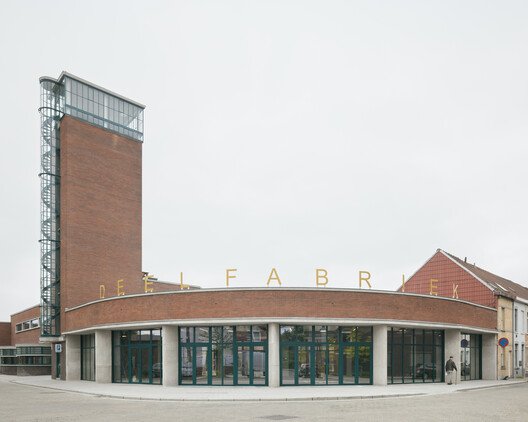
Headquartered in Gent, TRANS architectuur I stedenbouw is a Belgian architecture office recognized on ArchDaily through a selection of published projects. The studio’s profile suggests a professional focus on civic-minded and functional building types rather than purely residential commissions, yet that is exactly what makes it noteworthy in current architecture news. Across Europe, there is growing appreciation for firms that balance usability, urban sensitivity, and strong architectural identity.
The office’s published work is categorized primarily around:
- Public architecture that serves communities and institutions
- Industrial architecture that elevates efficiency through design intelligence
- Cultural architecture that supports gathering, performance, and public life
In a design landscape increasingly drawn to meaningful spaces over excess, this mix of typologies feels especially relevant. It reflects a studio likely engaged with both architecture and urbanism, as its name—”architectuur I stedenbouw”—indicates a connection between building design and city-making.
What Makes This Belgian Practice Relevant to Luxury Design
Not every firm featured in architecture news is associated with overt glamour, yet luxury today is defined less by ornament and more by intention. In that sense, offices like TRANS architectuur I stedenbouw fit squarely into the evolving conversation around luxury architecture.
Modern luxury design values qualities such as:
- Spatial clarity rather than visual clutter
- High-quality materials chosen for longevity
- Craftsmanship expressed through detailing
- Contextual sensitivity to landscape, street, and culture
- Experiential richness created through light, scale, and movement
These principles often emerge most convincingly in public and cultural buildings, where architects must choreograph how people arrive, gather, circulate, and feel. That same discipline is increasingly influencing the luxury home sector, where clients want residences that feel serene, timeless, and deeply connected to place.
From Public Architecture to Private Inspiration
There is a valuable lesson here for readers drawn to luxury home decor and upscale interiors: institutional architecture often pioneers the calm, sophisticated design language that later filters into residential spaces. A well-designed public building can inspire:
- Minimal but warm material palettes
- Open circulation and intuitive zoning
- Statement lighting that shapes atmosphere
- Custom joinery and integrated storage
- A refined balance of solidity and transparency
That is one reason firms featured in architecture news can matter well beyond their immediate building types.
Gent, Belgium and the Strength of Regional Architecture Culture
Gent has long been an important setting for architecture and urban development in Belgium. As a city with historic layers, active public life, and a strong design culture, it provides fertile ground for practices that work across architecture and urbanism. For readers following architecture news, this regional context matters: local culture often shapes a studio’s design priorities as much as its client list does.
Belgian architecture has earned international respect for several recurring traits:
- Precision in detailing
- Measured use of materials like brick, concrete, glass, and timber
- A balance between heritage and contemporary intervention
- Human-scaled planning
- Strong collaboration between architects, engineers, and specialist consultants
That collaborative dimension is also visible in the network of professionals associated with TRANS architectuur I stedenbouw, including engineering and consulting partners. In today’s built environment, exceptional architecture rarely happens in isolation. Structural, acoustic, technical, and performance expertise are all central to creating spaces that function beautifully over time.
Why Collaborative Practice Matters in Architecture News
One of the more revealing aspects of this office profile is the list of collaborators connected to published work. For anyone reading architecture news closely, these partnerships are more than background credits—they are often indicators of design ambition and technical depth.
Architectural quality is frequently shaped by collaboration with:
- Structural engineers for bold yet efficient spans
- Building services consultants for comfort and sustainability
- Acoustic experts for theaters and cultural venues
- Urban specialists for site integration
- Facade and envelope consultants for long-term performance
In luxury architecture, this integrated process is equally critical. Whether designing a museum, industrial facility, or high-end residence, success depends on how seamlessly aesthetics and performance come together.
Lessons for Luxury Home and Luxury Decor Enthusiasts
Although TRANS architectuur I stedenbouw is known through non-residential categories, the studio’s profile still offers insight for homeowners, developers, and design enthusiasts. The best architecture news does not simply showcase buildings—it reveals ideas that can be translated across scales.
Key takeaways for luxury-focused readers include:
- Invest in permanence: choose materials and layouts that age gracefully
- Prioritize flow: great design is as much about movement as appearance
- Celebrate restraint: elegance often comes from editing, not adding
- Design for use: beauty becomes more powerful when it supports daily life
- Think contextually: the finest spaces respond to their surroundings
These are principles that define sophisticated luxury decor and upscale living just as much as they define accomplished civic architecture.
Final Thoughts on Architecture News and Emerging Design Influence
In a fast-moving media cycle, architecture news can sometimes favor spectacle over substance. Yet studios like TRANS architectuur I stedenbouw remind us that enduring architectural value often lies in rigorous thinking, contextual awareness, and collaborative execution. Based in Gent and represented through a portfolio spanning public, industrial, and cultural architecture, the office reflects a broader European design ethos that prizes clarity, utility, and refined spatial experience.
For readers interested in luxury architecture, luxury design, and luxury home inspiration, that is a meaningful takeaway. The most lasting form of luxury is not excess—it is quality, intelligence, and atmosphere. And that is exactly why this story belongs in today’s architecture news.