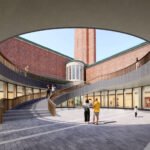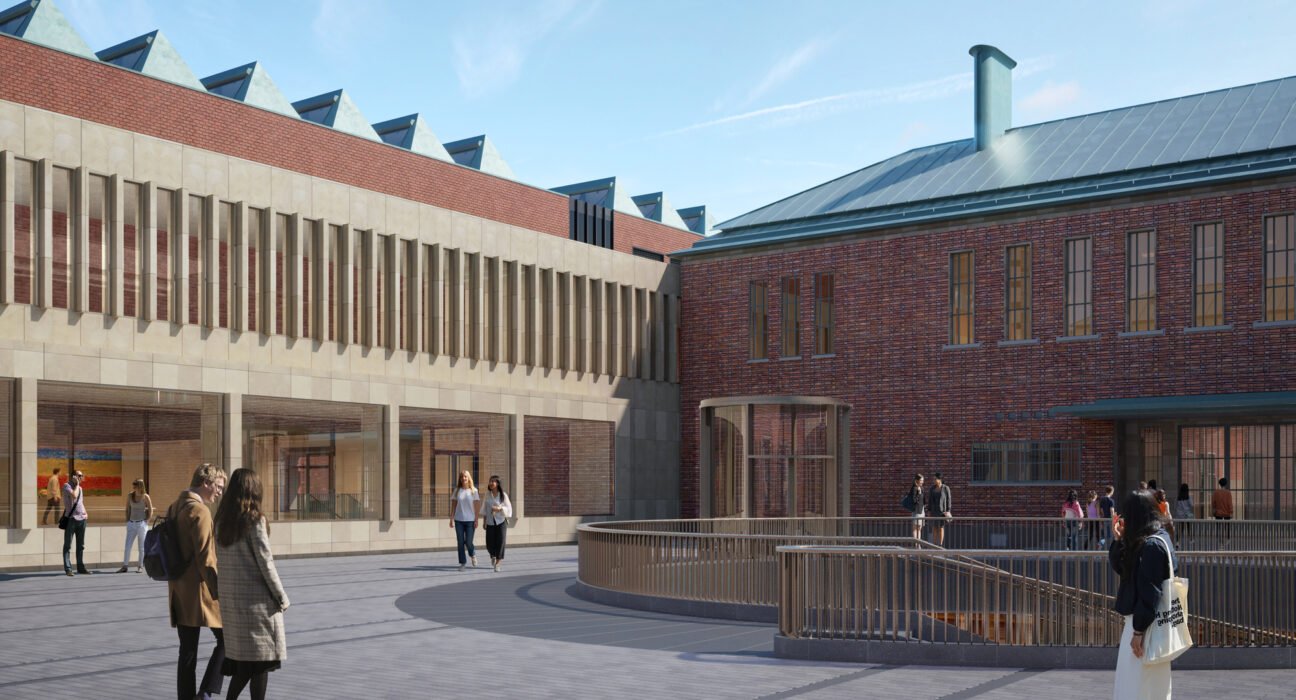
Architecture news rarely captures the imagination quite like the rebirth of a major cultural landmark. With newly released images of the Museum Boijmans Van Beuningen renovation in Rotterdam, Mecanoo has put one of Europe’s most closely watched museum transformations back into the spotlight.
The update offers more than a visual preview. It signals how Rotterdam continues to position itself at the forefront of design-led urban renewal, where heritage, innovation, and luxury cultural experience meet. For readers interested in luxury architecture, luxury design, and refined interiors, this renovation is an important case study in how historic institutions can be reimagined for the future without losing their identity.
Architecture News: Why the Boijmans Van Beuningen Renovation Matters
In the world of architecture news, museum projects hold special significance because they combine public value, architectural ambition, and curatorial complexity. The Museum Boijmans Van Beuningen renovation in Rotterdam is especially notable because the institution is one of the Netherlands’ most respected art museums, with a long-standing cultural presence and an architectural legacy that deserves careful stewardship.
Mecanoo’s newly released images renew attention on the balance between restoration and reinvention. Rather than treating renovation as a purely technical exercise, the project appears to embrace a broader architectural vision: preserving the museum’s character while upgrading the building for contemporary visitors, modern conservation standards, and future-facing exhibition programming.
That makes this story especially relevant across luxury architecture and luxury home decor circles, where the conversation increasingly centers on adaptive reuse, craftsmanship, and the emotional value of timeless spaces.
Mecanoo’s Design Direction in Rotterdam
Mecanoo is widely known for projects that merge contextual sensitivity with clear, modern spatial thinking. In this latest chapter of architecture news, the firm’s new imagery suggests a renovation approach rooted in elegance, clarity, and respect for the museum’s place in Rotterdam’s urban fabric.
While the released visuals are only a glimpse, they reinforce several themes often associated with high-level cultural design:
- Architectural continuity that honors the existing building rather than overshadowing it
- Improved visitor circulation for a more intuitive and welcoming museum experience
- Material refinement that supports a premium, carefully curated atmosphere
- Upgraded infrastructure to meet modern museum requirements, from climate performance to accessibility
These are not merely operational enhancements. In luxury design terms, they represent the difference between a building that functions and one that resonates. The best museum renovations create a sense of arrival, calm, and cultural prestige—qualities equally admired in luxury homes and high-end interior environments.
What the New Images Suggest About the Visitor Experience
One reason this item stands out in architecture news is the emotional power of architectural imagery. Renderings and progress visuals do more than document a project; they communicate how a space is intended to feel. In the case of the Museum Boijmans Van Beuningen renovation, the new images point toward a more polished and immersive visitor journey.
A More Layered Cultural Environment
Museums today are expected to do more than display art. They must offer atmosphere, orientation, comfort, and memorable spatial sequences. Renovations of this scale typically aim to unify these elements, turning galleries, entrances, circulation zones, and public areas into one coherent experience.
For design-conscious audiences, that means looking beyond the façade. Details such as light quality, transitions between old and new architecture, and the material language of public spaces often define whether a project feels truly elevated.
Heritage Meets Contemporary Luxury
There is a growing overlap between cultural architecture and luxury design. The most admired projects are those that bring museum-grade restraint to spatial composition: generous volumes, tactile finishes, and a strong sense of permanence. This is why stories like this gain traction not only as architecture news but also as inspiration for luxury decor and luxury home interiors.
Homeowners, architects, and interior designers frequently look to museums for cues on:
- How to use natural and artificial light with sophistication
- How to stage objects and art within calm architectural backdrops
- How to blend heritage details with clean contemporary interventions
- How to create quiet drama through proportion and material selection
Rotterdam’s Ongoing Role in Global Architecture News
Rotterdam remains one of Europe’s most important cities for architecture news, thanks to its bold relationship with experimentation, reconstruction, and civic design. The Museum Boijmans Van Beuningen renovation strengthens that reputation by showing that the city’s architectural identity is not built only on striking new forms, but also on thoughtful renewal.
This distinction matters. In luxury architecture, true sophistication often comes from restraint and depth rather than spectacle alone. A carefully executed renovation can be more meaningful than an entirely new landmark because it demonstrates cultural continuity, technical precision, and respect for memory.
For Rotterdam, the museum’s transformation contributes to a broader narrative:
- The city values design as a public good
- Historic institutions can evolve without becoming generic
- Contemporary architecture can enhance, rather than erase, the past
Why This Project Resonates Beyond the Museum World
The appeal of this architecture news story extends beyond museum enthusiasts. It speaks directly to trends shaping luxury homes, luxury decor, and premium lifestyle design. Across sectors, clients are seeking spaces that feel enduring, intelligent, and deeply considered.
The renovation reflects several ideas that are now central to high-end design:
Timelessness Over Trend
Luxury is increasingly defined by longevity. Renovating a major museum with care and precision reflects the same values seen in bespoke residences and collectible interiors: authenticity, quality, and enduring relevance.
Craft and Material Intelligence
Whether in a museum or a luxury home, materials communicate status through subtlety. Stone, glass, wood, metal, and carefully calibrated finishes all contribute to an environment that feels curated rather than decorated.
Experience-Driven Design
Today’s most successful spaces are designed around how people move, feel, and interact. That principle links museum planning with luxury residential architecture, where seamless flow and emotional atmosphere are often the ultimate hallmarks of excellence.
Conclusion
This latest piece of architecture news confirms that the Museum Boijmans Van Beuningen renovation is far more than a routine update. With Mecanoo’s newly released images, the Rotterdam project reasserts itself as a compelling example of how heritage architecture can be renewed with elegance, intelligence, and cultural ambition.
For anyone following luxury architecture, luxury design, or the future of museum spaces, this is a project worth watching closely. The clearest takeaway from this architecture news story is that great renovation is not about replacing the past—it is about giving it a more beautiful, more functional, and more enduring future.