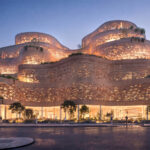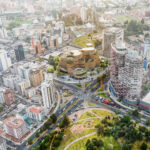
Architecture news rarely feels as culturally significant as the unveiling of a new national museum. In Quito, Ecuador, a SANAA-led team has revealed the selected design for the country’s new National Museum, signaling a major moment for contemporary Latin American architecture, civic identity, and elevated museum design.
The project brings global attention to Quito, a city already celebrated for its dramatic Andean setting and layered architectural heritage. For readers tracking luxury architecture, luxury design, and high-end cultural spaces, this announcement stands out as more than a competition result—it is a statement about how nations use architecture to shape memory, prestige, and public experience.
Architecture News from Quito: A Museum Designed for National Identity
This latest architecture news centers on a design that aims to balance monumentality with openness. Rather than relying on heavy symbolism or overly formal gestures, the SANAA-led proposal appears aligned with the studio’s internationally recognized approach: lightness, spatial clarity, and a calm relationship between building, landscape, and movement.
For a national museum, that sensibility matters. These institutions are no longer conceived only as containers for artifacts. They are expected to function as:
- cultural landmarks,
- public gathering spaces,
- architectural ambassadors for a country, and
- flexible environments for exhibitions, research, and education.
In that sense, the new museum in Quito reflects a broader shift in museum architecture. Today’s most compelling cultural buildings combine civic accessibility with refined design language—an approach that resonates strongly across luxury architecture and luxury decor audiences, where craftsmanship, atmosphere, and spatial storytelling are highly valued.
Why SANAA’s Selection Matters
SANAA, the acclaimed Japanese architecture practice founded by Kazuyo Sejima and Ryue Nishizawa, is known for buildings that feel both precise and ethereal. Their work often avoids visual noise, instead creating elegant sequences of light, transparency, and soft boundaries. That makes this architecture news especially notable: Ecuador is entrusting one of its most important cultural commissions to a team associated with globally respected design innovation.
The selection suggests an ambition to position the museum not just as a local institution, but as an international architectural destination. For cities seeking cultural visibility, iconic design can play a transformative role. A museum of this scale can attract tourism, stimulate urban development, and reinforce a country’s presence in global design conversations.
From a luxury design perspective, SANAA’s work is also influential because it demonstrates how restraint can create sophistication. In high-end residential and cultural spaces alike, minimalism is most effective when paired with material depth, natural light, and carefully choreographed circulation. That philosophy often translates into spaces that feel timeless rather than trend-driven.
What This Means for Luxury Architecture and Design Trends
For followers of architecture news, the Quito museum project highlights several design directions that continue to shape premium architecture worldwide. Even though museums and luxury homes serve different functions, they increasingly share certain design principles.
1. Light as a luxury material
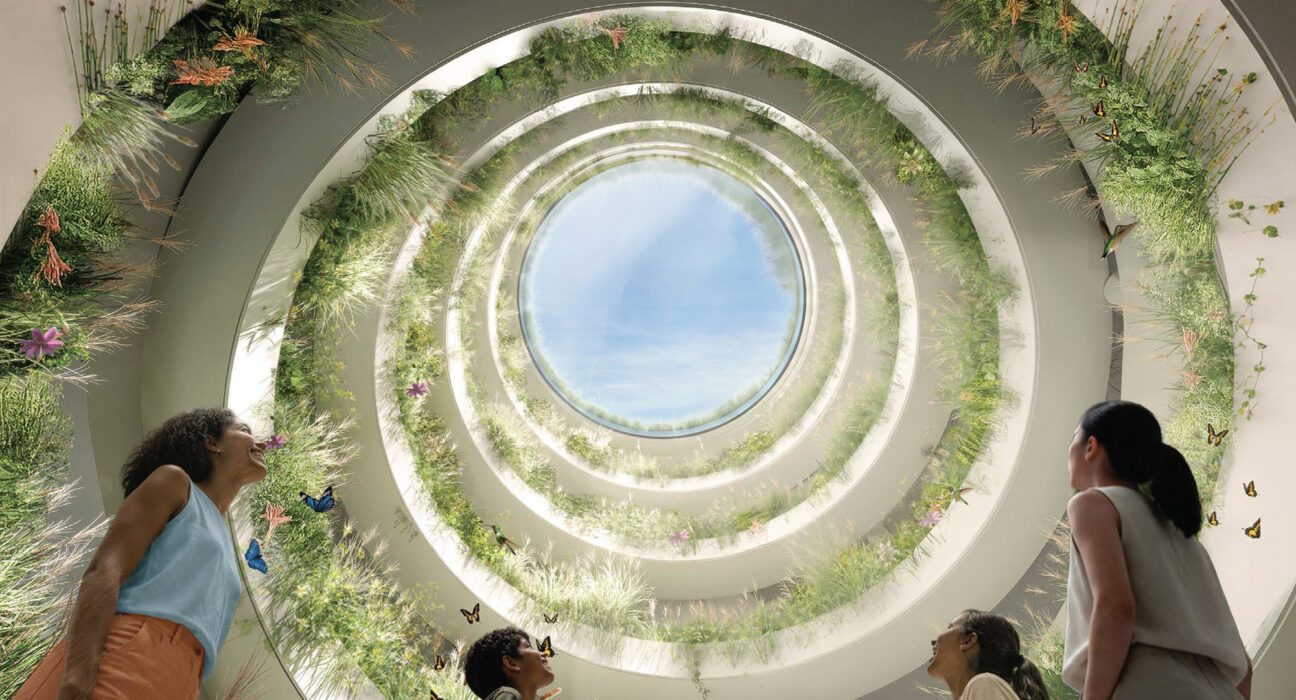
Natural light is now central to both civic and residential architecture. In museums, it can soften the visitor experience and elevate the emotional tone of galleries, circulation areas, and public halls. In luxury home decor, that same emphasis appears through skylights, glass walls, layered translucency, and muted interior palettes that amplify daylight.
2. Quiet minimalism over spectacle
Many of today’s most admired cultural buildings avoid excessive formal drama. Instead, they rely on proportion, texture, and atmosphere. This is highly relevant to luxury home and luxury decor trends, where understated elegance often carries more lasting value than decorative excess.
3. Landscape integration
Quito’s topography makes site response especially important. Architecture that engages terrain, views, and climate tends to feel more grounded and more memorable. That same lesson applies in luxury home design, where seamless transitions between indoor and outdoor space remain a defining aspiration.
4. Flexibility and long-term relevance
A national museum must adapt to changing exhibitions, audiences, and technologies. Flexibility is equally important in luxury interiors, where adaptable rooms, curated multifunctional spaces, and enduring materials are becoming hallmarks of thoughtful design.
Quito’s Cultural Landscape and the Role of a National Museum
This piece of architecture news also matters because of where it is happening. Quito is one of South America’s most historically rich capitals, with a built environment that ranges from colonial landmarks to contemporary interventions. A new national museum has the potential to bridge those histories, creating a space where heritage and modernity are not in conflict but in dialogue.
Well-designed museums can reshape how residents and visitors understand a city. They can anchor neighborhoods, frame public space, and provide a new architectural lens through which national culture is presented. In luxury architecture terms, this is the civic equivalent of a statement residence: a building whose design communicates identity, aspiration, and taste at the highest level.
For Ecuador, the museum could become:
- a symbol of cultural investment,
- a destination for international visitors,
- a platform for preserving and exhibiting national collections, and
- a catalyst for future design-forward development in Quito.
Architecture News to Watch as the Project Develops
As more details emerge, this architecture news story will be worth following closely. Key questions remain around materiality, gallery organization, public realm design, sustainability strategies, and how the museum will connect to Quito’s urban fabric. Those elements often determine whether a project moves from promising concept to truly transformative architecture.
For readers interested in luxury home, luxury home decor, and luxury design, the museum also offers inspiration beyond the institutional scale. SANAA’s design language reinforces enduring ideas that translate beautifully into residential settings:
- open yet carefully defined spatial planning,
- soft transitions between rooms,
- minimal palettes enriched by texture,
- architecture that frames experience instead of overwhelming it, and
- a strong relationship between structure, light, and serenity.
These qualities are increasingly sought after in premium interiors, where emotional comfort and visual calm are becoming as important as craftsmanship and exclusivity.
Conclusion
This architecture news from Quito marks an important step for Ecuador’s cultural future and for the global conversation around museum design. With a SANAA-led team selected for the new National Museum, the project brings together international architectural prestige, civic ambition, and the refined spatial thinking that continues to influence luxury architecture worldwide.
If realized with the clarity and elegance implied by the winning concept, Ecuador’s new National Museum could become one of the region’s defining cultural buildings—proof that the most powerful architecture news is not just about what gets built, but about what architecture helps a nation express.