
Architecture news rarely captures the imagination quite like two ambitious projects reshaping major Asian cities at once. From a sculptural cultural landmark in Shanghai to a forward-looking urban district in Seoul, these developments reveal how luxury architecture is evolving beyond aesthetics into a broader vision of civic life, sustainability, and high-end design.
This week’s standout projects, led by Snøhetta and Foster + Partners, offer more than eye-catching forms. They point to a future where iconic buildings and carefully planned neighbourhoods define not only skylines, but also the way people live, gather, and experience luxury in the built environment.
Architecture News Highlights Two Landmark Projects in Asia
In the latest architecture news, two high-profile projects stand out for their scale, ambition, and cultural relevance:
- Snøhetta’s Shanghai Grand Opera House, a dramatic new cultural destination designed to merge performance, public space, and sculptural expression.
- Foster + Partners’ new neighbourhood in Seoul, an urban masterplan that reflects a premium approach to mixed-use living, connectivity, and sustainable city-making.
For readers interested in luxury architecture, luxury home trends, and luxury design, these projects matter because they shape the broader design language influencing upscale residential and lifestyle spaces around the world.
Snøhetta’s Shanghai Grand Opera House Brings Cultural Luxury to the Waterfront
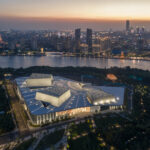
Snøhetta has built a global reputation for architecture that is both expressive and public-minded, and the Shanghai Grand Opera House appears to continue that tradition. In current architecture news, the project is being discussed as a major addition to Shanghai’s cultural landscape, combining landmark presence with civic accessibility.
A Sculptural Vision for Performance and Public Space
The opera house is notable for its fluid, dynamic form, which suggests movement and theatricality even before a performance begins. Rather than acting as a sealed cultural object, the design appears intended to invite the public in, blurring the line between monumental architecture and open urban experience.
That approach is increasingly influential in architecture news: luxury today is not only about exclusivity, but also about how beautifully designed places create meaningful public encounters. In a city like Shanghai, where global ambition and cultural investment go hand in hand, a grand opera house becomes both a symbol and a destination.
Why It Matters for Luxury Design
Projects like this shape the visual vocabulary of luxury design in several ways:
- They emphasize material elegance and refined detailing.
- They create immersive spatial experiences, not just iconic exteriors.
- They integrate architecture with waterfronts, plazas, and pedestrian movement.
- They influence high-end interiors, luxury decor, and even residential amenity design.
For professionals tracking architecture news, the Shanghai Grand Opera House is a clear example of how cultural buildings can set the tone for broader luxury trends.
Foster + Partners’ Seoul Neighbourhood Reflects the Future of Luxury Urban Living
If Shanghai’s opera house represents cultural prestige, Foster + Partners’ new Seoul neighbourhood points to another major theme in architecture news: the reinvention of the city district as a premium, livable ecosystem.
From Masterplan to Lifestyle Destination
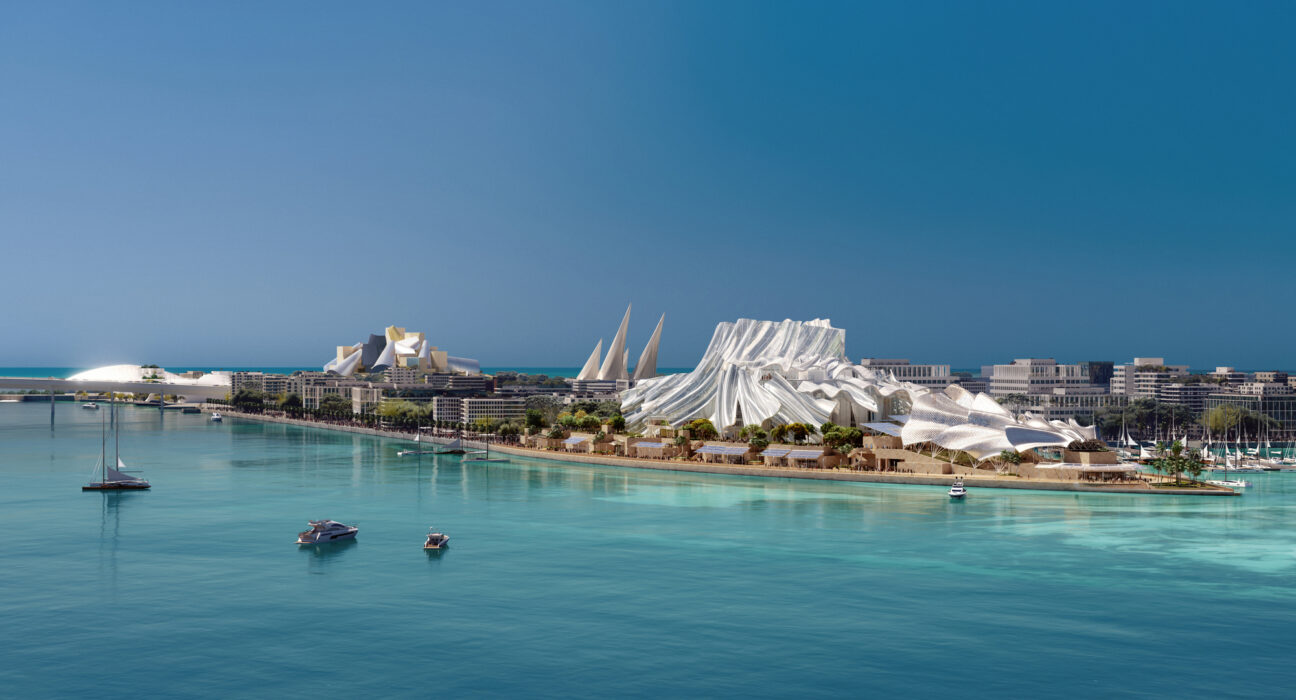
Foster + Partners is known for blending innovation, engineering clarity, and urban sophistication. A new neighbourhood in Seoul suggests a design strategy focused not just on buildings, but on the relationships between homes, workspaces, retail, green areas, and mobility networks.
This is especially relevant for luxury home and luxury home decor audiences because the most desirable residential environments are no longer isolated towers or gated enclaves. Instead, they are embedded within thoughtfully designed neighbourhoods that support convenience, wellness, and architectural coherence.
Core Ideas Driving High-End Neighbourhood Design
According to broader themes visible across contemporary architecture news, successful luxury districts now tend to prioritize:
- Walkability that encourages daily ease and social interaction.
- Mixed-use planning that combines residences, hospitality, culture, and commerce.
- Green infrastructure such as landscaped public space and climate-responsive design.
- Architectural identity that gives the development a memorable sense of place.
- Wellness-oriented living through daylight, air quality, and access to nature.
These elements elevate a district from standard development to a true luxury destination.
What This Architecture News Means for Luxury Home and Decor Trends
Even readers focused primarily on interiors can learn a great deal from this week’s architecture news. Major public and masterplanned projects often influence the next generation of luxury home aesthetics and decor choices.
Design Trends Likely to Follow
- Organic forms: Curved silhouettes and flowing geometries are likely to become more prominent in furniture, lighting, and room planning.
- Statement materials: Natural stone, warm metals, textured wood, and artisanal finishes continue to signal sophistication.
- Indoor-outdoor connection: Homes increasingly echo civic architecture by prioritizing terraces, views, and landscape integration.
- Cultural storytelling: Luxury spaces are moving toward richer narratives tied to place, heritage, and artistic identity.
- Quiet sustainability: Eco-conscious design is becoming a baseline feature of premium living rather than a niche add-on.
This is why architecture news matters beyond the professional design world. It often previews the forms, materials, and values that later appear in upscale residences and curated interiors.
Asia’s Expanding Role in Global Architecture News
Another important takeaway is the growing centrality of Asian cities in global architecture news. Shanghai and Seoul are not merely adopting international design standards; they are actively shaping them. Their investment in landmark cultural buildings and future-ready urban districts shows how the region is defining new expectations for design excellence.
For the luxury market, that means inspiration is increasingly flowing from these metropolitan hubs into hospitality, branded residences, luxury home decor, and bespoke architectural commissions worldwide.
It also means developers, designers, and homeowners should watch these cities closely. What appears in major urban projects today often informs the premium residential market tomorrow.
Conclusion: Why This Week’s Architecture News Deserves Attention
This week’s architecture news tells a bigger story than two headline projects. Snøhetta’s Shanghai Grand Opera House demonstrates the power of cultural architecture to create civic spectacle and refined beauty, while Foster + Partners’ Seoul neighbourhood highlights the future of integrated, high-end urban living.
Together, they show that luxury architecture is becoming more experiential, more connected, and more responsive to how people actually want to live. For anyone interested in luxury design, luxury decor, or the future of the luxury home, this architecture news offers a clear takeaway: the most influential spaces of tomorrow will combine visual drama with everyday livability.