Architecture news rarely captures the imagination quite like the reinvention of an industrial giant into a refined urban destination. In Tbilisi, Stefano Boeri Architetti has been selected to transform a former Soviet-era locomotive factory into Loco Park, a new green neighborhood that blends heritage, contemporary design, and elevated city living.
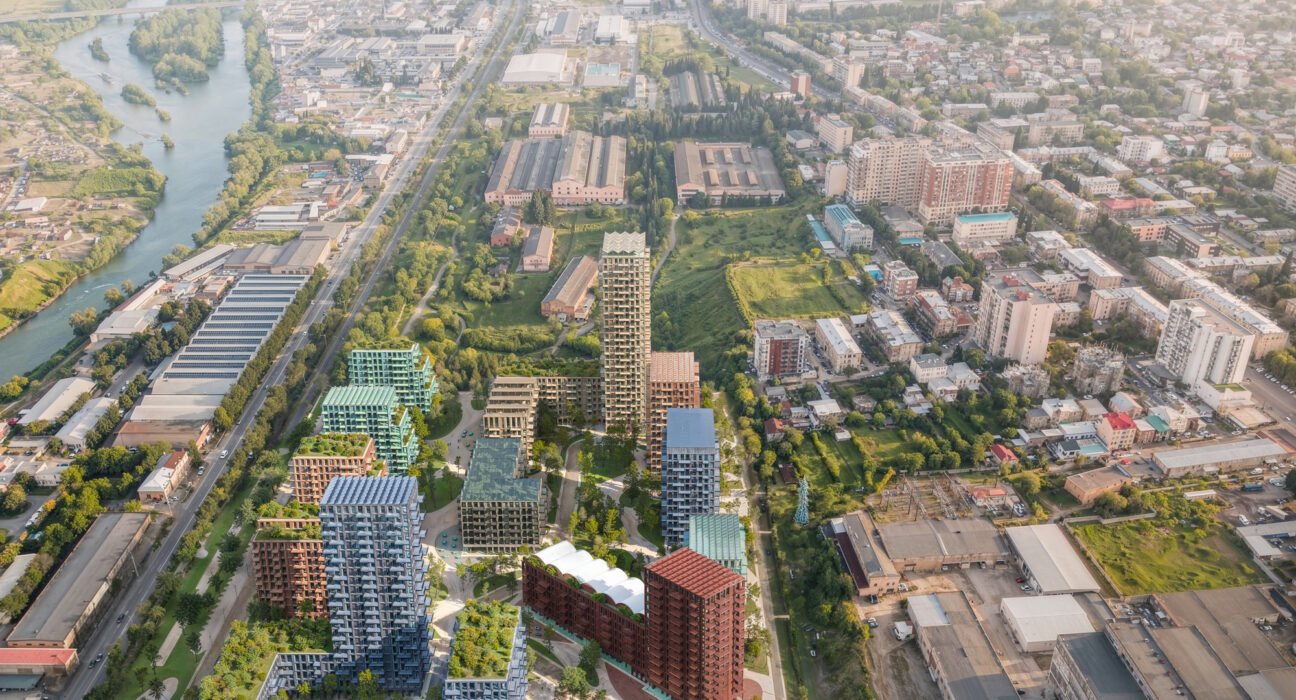
The winning masterplan rethinks a 73,600-square-meter brownfield site in the Temka residential area of Georgia’s capital, turning it into a mixed-use district defined by homes, public landscapes, retail, and cultural energy. For readers following luxury architecture, luxury design, and high-end urban living, Loco Park stands out as a compelling example of how adaptive reuse can deliver both civic value and aspirational lifestyle appeal.
Architecture News From Tbilisi: A Former Factory Becomes Loco Park
This latest piece of architecture news centers on the redevelopment of the former Tbilisi Electric Locomotive Manufacturing Plant. Organized through the LOCO Alliance competition, the project called for a bold yet sensitive transformation of a major industrial site into a welcoming neighborhood and cultural destination.
Stefano Boeri Architetti’s selected proposal envisions an integrated urban environment with approximately 120,000 square meters of gross floor area distributed across nine buildings. Rather than creating a sealed residential enclave, the plan opens the site to the wider city through walkable public spaces, tree-lined routes, and a rich mix of uses.
Key components of the masterplan include:
- Multiple residential typologies on upper floors
- Ground-level shops, cafés, and workshops
- Shared gardens and neighborhood parks
- A sports forest and recreational open space
- A linear boulevard connecting different zones
- Pedestrian links to surrounding districts
This layered approach gives the development the sophistication associated with luxury home and luxury decor markets, while maintaining a strong community-oriented framework.
An Urban Regeneration Model Rooted in Industrial Heritage
One reason this architecture news story matters is its thoughtful balance between preservation and renewal. Instead of erasing the memory of the site, the masterplan uses the factory’s industrial legacy as a design foundation.
Brick plays a central role in establishing continuity between past and present. The material references both the site’s historic industrial character and Tbilisi’s architectural traditions. According to the project concept, the design team analyzed the city’s urban palette through photographic color mapping, identifying tones such as blue-gray, terracotta, green, taupe, and mineral white. These colors are then translated into the facades, giving the neighborhood a context-sensitive visual identity.
The rooflines also echo the silhouettes of former workshops and factory structures. Yet the roofs are not merely symbolic. They are designed as active architectural surfaces, accommodating:
- Greenhouses
- Terraces
- Photovoltaic systems
- Loft apartments
- Communal gathering areas
For those interested in luxury architecture, this is where the project becomes especially compelling: heritage-inspired form is paired with sustainable technology and lifestyle-driven amenities.
Why Loco Park Appeals to the Luxury Architecture World
Although Loco Park is conceived as an open, inclusive neighborhood, it also reflects many values increasingly associated with premium residential design. This is not luxury in the sense of excess. Instead, it is luxury defined by quality of space, material richness, greenery, and everyday experience.
Design-led residential living
The mix of home typologies suggests a more nuanced approach to residential planning than standard large-scale developments. Upper-floor homes benefit from proximity to rooftop amenities, landscaped open spaces, and neighborhood services. This kind of integrated design increasingly resonates with buyers and design enthusiasts seeking a luxury home environment connected to wellness and culture.
Landscape as a high-end amenity
Another standout element in this architecture news update is the emphasis on dense public greenery. The sports forest, parks, shared gardens, and pedestrian corridors elevate the project beyond a typical housing plan. In today’s luxury design market, access to nature is no longer a bonus; it is a defining feature.
Ground-floor vibrancy and curated urban life
Cafés, workshops, and local shops at street level create a lively daily rhythm. This street-level programming gives the development a boutique urban character often seen in top-tier mixed-use districts around the world. For audiences interested in luxury home decor and lifestyle, these details help define a complete living ecosystem rather than a collection of buildings.
A Broader Shift in Contemporary Architecture
This piece of architecture news also fits into a larger international pattern: the adaptive reuse of obsolete industrial land into sustainable, design-forward communities. Across Europe and beyond, former factories, depots, and infrastructure sites are being reimagined as places to live, work, and gather.
Stefano Boeri Architetti has been particularly active in this territory. Recent work by the firm includes:
- An affordable housing development in Ibiza with around 190 rental apartments in timber volumes
- The urban regeneration of Rome’s former Depositi delle Vittorie transit site
- A new monastery concept in Milan’s MIND district integrating worship, education, and dialogue
Seen in that context, Loco Park strengthens the studio’s reputation for creating architecture that combines environmental ambition, public value, and strong visual identity.
What Loco Park Means for Tbilisi’s Design Future
For Tbilisi, the project has significance beyond a single development. It signals confidence in the city’s ability to transform underused land into an attractive cultural and residential destination. It also shows how luxury architecture can contribute to urban life when it prioritizes openness, walkability, and local character.
The masterplan’s “urban archipelago” concept, in which distinct buildings are connected by a network of public green spaces, offers a persuasive alternative to isolated mega-block development. It suggests a future where luxury design and civic-minded planning are not opposing forces but complementary ones.
As the site already hosts large-scale cultural events, Loco Park has the potential to evolve into more than a residential quarter. It could become one of Tbilisi’s most recognizable contemporary districts, where industrial memory, landscape design, and sophisticated living meet.
Conclusion
This architecture news story is more than an announcement of a competition winner. Stefano Boeri Architetti’s vision for Loco Park presents a model for transforming industrial heritage into a green, connected, and design-conscious neighborhood. With its brick-rich material palette, landscaped public realm, and lifestyle-driven amenities, the project speaks directly to the future of luxury architecture, luxury home living, and sustainable urban regeneration. For anyone tracking the next generation of city-making, this is architecture news worth watching closely.