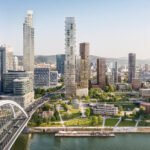
Architecture news rarely captures both cultural ambition and waterfront transformation in the same breath, but this week’s standout projects do exactly that. Sydney’s Powerhouse Parramatta Museum and Bratislava’s Winter Harbour redevelopment reveal how landmark design can reshape cities, elevate lifestyle expectations, and define the future of luxury architecture.
While one project centers on a major cultural institution and the other on urban regeneration, both reflect a broader shift in global design thinking: high-end architecture is no longer only about aesthetics. Today, it is about creating premium public experiences, integrating landscape and infrastructure, and delivering long-term value for residents, visitors, and investors alike. For readers following luxury architecture, luxury decor, luxury design, and the evolution of the luxury home market, these developments offer important clues about where design excellence is heading next.
Architecture News Highlights Two Transformative Projects
This latest round of architecture news spotlights two very different but equally influential undertakings. In Sydney, the Powerhouse Parramatta Museum is poised to become a major cultural anchor for Western Sydney. In Bratislava, the Winter Harbour redevelopment points to a sophisticated reimagining of post-industrial waterfront land into a dynamic urban destination.
What makes these projects especially compelling is their shared commitment to civic identity, placemaking, and design quality. They are not isolated buildings; they are urban statements.
Sydney’s Powerhouse Parramatta Museum
The Powerhouse Parramatta Museum represents a new generation of cultural architecture in Australia. More than a museum building, it is envisioned as a large-scale public institution that connects education, exhibition, technology, and community engagement under one architectural vision.
From a luxury design perspective, the appeal lies in how contemporary museums increasingly blur the boundaries between monumental architecture and refined interior experience. Premium materials, dramatic volumes, natural light, and carefully choreographed circulation all contribute to an environment that feels elevated and immersive.
Key design qualities likely to shape the project’s significance include:
- Cultural gravitas: a building designed to serve as a landmark rather than simply a container for exhibits
- Public realm integration: stronger connections between architecture, open space, and the surrounding city
- Flexible programming: spaces that can adapt to exhibitions, events, learning, and community use
- Contemporary materiality: finishes and structural expression that balance durability with visual sophistication
For the luxury architecture audience, projects like this matter because they influence residential and commercial design standards nearby. Major museums often catalyze premium real estate, upscale hospitality, and a new appetite for better-designed interiors and public amenities.
Bratislava’s Winter Harbour Redevelopment
Bratislava’s Winter Harbour redevelopment reflects another powerful trend in architecture news: the reinvention of former industrial waterfronts into mixed-use districts with cultural, residential, and leisure appeal. These large-scale redevelopments are increasingly tied to luxury urban living, particularly when they introduce public promenades, high-end housing, hospitality, and design-led infrastructure.
Winter Harbour has the potential to become a defining waterfront destination by combining heritage sensitivity with forward-looking planning. Successful harbour redevelopments typically rely on a few critical ingredients:
- Preserving traces of industrial character to maintain authenticity
- Introducing landscape design that reconnects the city to the water
- Creating mixed-use density that supports round-the-clock activity
- Using architecture to attract investment and establish a premium identity
For those interested in the luxury home sector, these projects are especially relevant. Waterfront regeneration often drives demand for exclusive residences, curated interiors, designer amenities, and luxury home decor trends inspired by marina living, natural textures, and panoramic views.
Why This Architecture News Matters for Luxury Architecture
The significance of this architecture news extends beyond the buildings themselves. Both developments point to the changing role of architecture in shaping aspirational urban lifestyles. In the luxury market, value is increasingly attached to context: buyers and design-conscious residents want to live near culture, walkable waterfronts, and architecturally meaningful places.
This shift influences several high-end sectors:
- Luxury architecture: landmark projects raise expectations for quality, originality, and sustainability
- Luxury design: public architecture increasingly inspires residential palettes, layouts, and materials
- Luxury home: proximity to major cultural and waterfront districts boosts desirability
- Luxury decor: museum-grade minimalism and refined natural finishes continue to shape interiors
- Luxury home decor: art-forward styling, sculptural lighting, and tactile surfaces gain relevance
In other words, premium architecture at the urban scale has a direct ripple effect on how luxury spaces are imagined and marketed at the domestic scale.
Design Trends Emerging From This Week’s Architecture News
Several design signals emerge from these featured projects, and they are likely to resonate across architecture and interiors in the coming years.
1. Cultural buildings as luxury anchors
Museums, galleries, and civic institutions are becoming magnets for lifestyle-led development. When a city invests in iconic public architecture, nearby neighborhoods often benefit from increased prestige and renewed design ambition.
2. Waterfronts as premium living environments
Harbour and riverfront redevelopments continue to define modern urban luxury. Access to water, open views, and pedestrian-friendly public space remains a powerful formula for high-end appeal.
3. Experience-led architecture
Today’s best projects are designed around movement, atmosphere, and sensory impact. This same philosophy is influencing luxury home planning, where flow, light, and emotional resonance are just as important as square footage.
4. Refined industrial character
Adaptive reuse and industrial references remain influential in both commercial and residential design. Exposed structure, robust materials, and heritage cues can feel distinctly luxurious when paired with precise detailing and elegant furnishings.
What to Watch Next
As this architecture news cycle shows, the most exciting projects are those that merge civic purpose with design excellence. Watch for how Sydney’s museum development shapes Western Sydney’s identity and how Bratislava’s waterfront transformation sets a benchmark for urban regeneration in Central Europe.
For architects, developers, and luxury homeowners, the lesson is clear: the future belongs to places that are visually compelling, culturally relevant, and deeply connected to their surroundings. That applies as much to a city-scale museum or harbour district as it does to a penthouse interior or a luxury home decor concept.
In the end, this week’s architecture news is about more than two headline projects. It is about the rise of design as a strategic force in creating beautiful, livable, and prestigious environments. From Sydney to Bratislava, architecture is proving once again that great design does not just fill space, it elevates how we live.