Architecture news rarely stays relevant for generations, yet Taliesin West continues to shape how we think about luxury living, climate-responsive design, and architectural legacy. Set in Scottsdale, Arizona, Frank Lloyd Wright’s winter home and studio is far more than a historic property—it is a blueprint for a refined, site-driven way of building that still feels remarkably current.
Completed in 1959 and developed as an evolving desert camp, workshop, and residence, Taliesin West stands among the most important works in American architecture. For readers interested in luxury architecture, luxury home design, and timeless interiors, the project offers a rare blend of artistry, landscape sensitivity, and livable innovation.
Architecture News Spotlight: Why Taliesin West Still Matters
In today’s architecture news, many projects compete for attention through scale, spectacle, or technology. Taliesin West remains compelling for the opposite reason: it demonstrates how great architecture can emerge from a deep understanding of place.
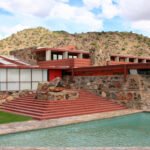
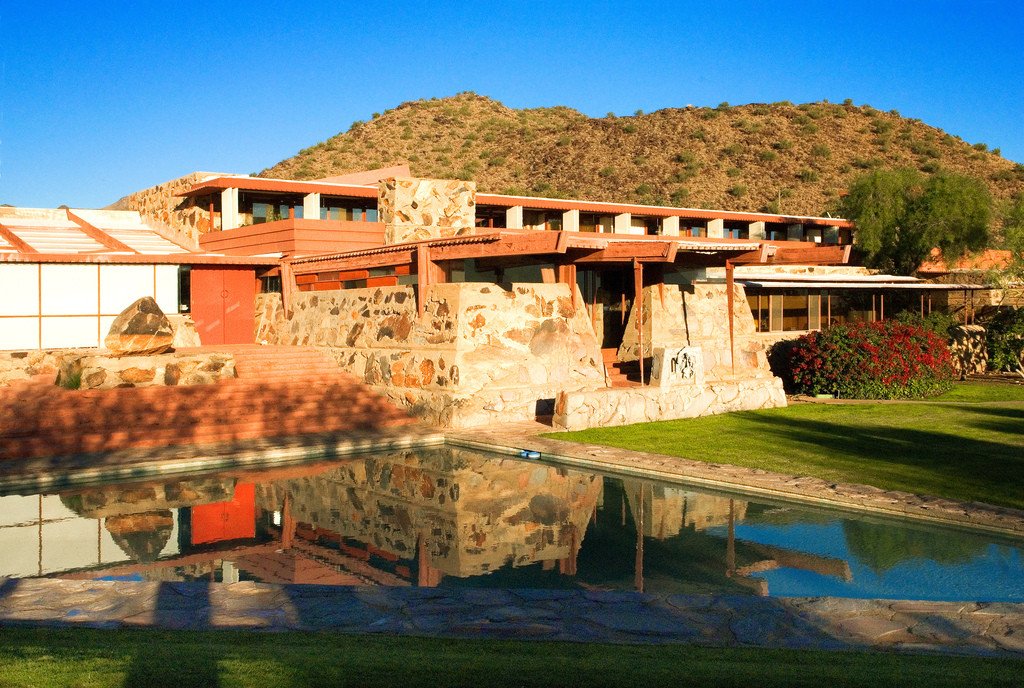
Wright designed the complex in the Sonoran Desert near Scottsdale as his winter base, where he lived, worked, and taught. Rather than imposing a conventional house onto the site, he created a low-slung composition that feels inseparable from the terrain. Angular forms, desert masonry, canvas-like roof elements, and carefully framed views all contribute to a property that appears to grow out of the land itself.
That connection between architecture and environment is a key reason Taliesin West continues to appear in architecture news roundups, design studies, and preservation discussions. It represents a lasting lesson in regional design long before sustainability became a mainstream talking point.
Frank Lloyd Wright’s Vision of Desert Luxury
When people think of luxury architecture, they often imagine polished surfaces, oversized spaces, and lavish detailing. Taliesin West offers a more sophisticated definition of luxury—one rooted in experience, craftsmanship, and harmony with nature.
Wright’s vision for the property centered on several principles that still resonate in high-end residential design:
- Integration with the landscape: The building’s materials and geometry echo the desert’s colors and contours.
- Indoor-outdoor living: Spaces open toward light, air, and long views, reinforcing a connection to the environment.
- Material authenticity: Rough stone, wood, and translucent surfaces create richness without excess.
- Creative living: The home was also a studio and teaching environment, merging daily life with artistic production.
This is why Taliesin West remains relevant in luxury home conversations today. It proves that true elegance does not have to be detached from climate, craft, or context.
Design Features That Define Taliesin West
Desert masonry and local materiality
One of the most distinctive aspects of the complex is its use of desert masonry, where local stone is set within concrete to create walls with texture and visual depth. This approach gave the architecture a grounded, almost geological quality. In current architecture news, material sourcing and regional character are major themes, and Taliesin West anticipated both.
Low horizontal lines and dramatic geometry
Wright’s composition balances horizontality with sharply angled forms, allowing the architecture to sit lightly across the desert floor while still creating striking silhouettes. The result feels both organic and theatrical—an ideal reference point for luxury design professionals seeking spatial drama without losing restraint.
Light as a design material
At Taliesin West, light is not merely functional; it shapes the mood of every space. Filtered illumination, changing shadows, and sun-washed surfaces animate the interiors throughout the day. For luxury home decor enthusiasts, this is a reminder that ambiance often begins with architecture rather than accessories.
Flexible spaces for living and making
The property was never conceived as a static monument. It functioned as a residence, studio, and educational environment. That fluidity feels especially modern now, as today’s luxury homes increasingly incorporate workspaces, creative rooms, wellness zones, and adaptable gathering areas.
Lessons for Luxury Home and Decor Trends
Taliesin West continues to influence more than preservation circles; it also informs the best ideas in contemporary luxury interiors and residential planning. In the wider world of architecture news, designers frequently return to Wright’s principles when discussing enduring home trends.
Here are some key takeaways for modern luxury homes:
- Build with the site, not against it. Orientation, topography, and climate should guide the design process.
- Use fewer materials more meaningfully. A restrained palette can feel more luxurious than excessive variety.
- Blur the boundary between inside and outside. Terraces, shaded courtyards, and framed views expand the living experience.
- Prioritize atmosphere. Light, texture, and proportion often matter more than ornament.
- Create spaces with purpose. Homes feel richer when they support living, working, entertaining, and reflection equally well.
These ideas align perfectly with current demand in luxury architecture and luxury home decor, where buyers and designers increasingly favor authenticity, wellness, and a strong sense of place.
Taliesin West in Today’s Architecture News and Preservation Culture
Another reason Taliesin West remains central to architecture news is its role in architectural preservation. Historic masterpieces are not simply objects to admire; they are living records of design thinking. Preserving Taliesin West helps future architects understand how innovation can come from constraint, climate, and close observation of the natural world.
Its influence is visible across desert modernism, sustainable residential design, and the broader conversation around American architectural heritage. Even in an era defined by smart homes and advanced building systems, Wright’s work reminds us that the most forward-looking designs often begin with timeless fundamentals: site, light, scale, and human experience.
For those in luxury design fields, the message is especially powerful. Enduring value comes from coherence—when architecture, interiors, and landscape feel like parts of the same idea.
Conclusion: A Masterpiece That Still Leads the Conversation
Among the many stories that cycle through architecture news, Taliesin West stands apart because it continues to teach, inspire, and challenge. Frank Lloyd Wright’s Scottsdale masterpiece is not only a landmark of American design, but also a lasting model for luxury architecture that is intelligent, atmospheric, and deeply rooted in place.
For anyone interested in luxury homes, luxury decor, or the future of residential design, Taliesin West offers a clear takeaway: the most memorable spaces are those that belong fully to their environment. That is why this icon remains essential architecture news—not just as history, but as a standard for what great design can still achieve.