What turns a structure into a sanctuary? In today’s Architecture news, the documentary The Human Shelter: Expedition into What Makes a Home offers a powerful answer by moving beyond walls, materials, and floor plans to examine the emotional architecture of belonging.
Directed by Danish filmmaker Boris Bertram, the one-hour film travels from Japan and Uganda to Iraq, Norway, Nigeria, Iceland, and the United States, asking a deceptively simple question: what makes a home? For readers drawn to luxury architecture, luxury home design, and elevated interiors, the documentary is a striking reminder that even the most refined spaces are ultimately measured by how they support safety, identity, memory, and human connection.
Architecture News Spotlight: Why ‘The Human Shelter’ Matters Now
Among the most compelling developments in Architecture news this year, The Human Shelter stands out for expanding the conversation around domestic space. Rather than focusing only on aesthetics or innovation, the film explores how home is shaped by climate, migration, culture, vulnerability, and resilience.
Over a two-year journey across nine countries, Bertram gathered personal stories rooted in place. The result is neither a conventional architecture film nor a purely social documentary. It is a layered study of how shelter evolves into home through lived experience. In an era defined by climate change, displacement, and rapid urban transformation, that perspective feels urgent.
The documentary was funded by IKEA, screened at MoMA in New York, and presented by UN-Habitat as part of its global “Housing for All” campaign. Those platforms underline the film’s broad relevance: home is both an intimate experience and a global design challenge.
A Global Journey Through Different Ideas of Home
The documentary’s scope is one reason it deserves attention in Architecture news. Its chapters introduce viewers to people living in radically different environments, each revealing a distinct relationship between shelter and belonging.
From extreme landscapes to dense cities
The film moves through remote Nordic terrain, refugee settlements in Iraq, urban life in Lagos, experimental habitats in Hawaii, and compact domestic settings in Tokyo. This range shows that the meaning of home is never fixed. It changes with geography, resources, history, and social conditions.
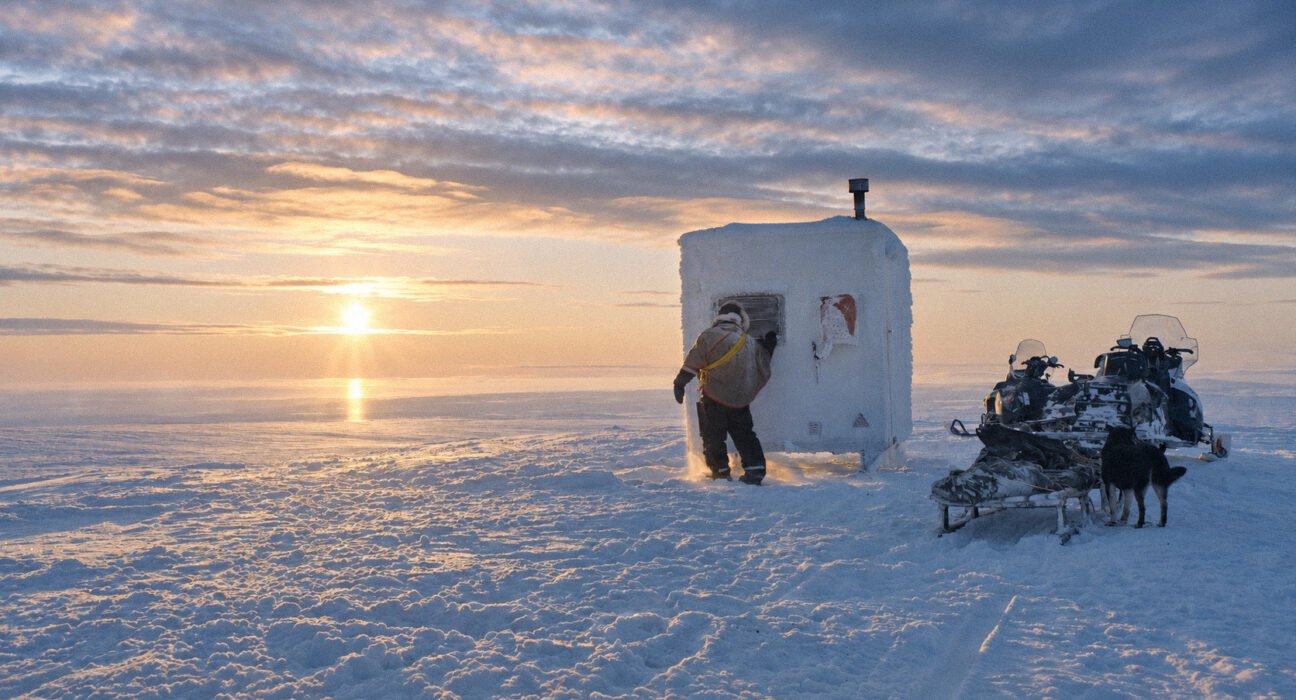
- Norway reflects isolation, landscape, and nomadic identity.
- Iraq raises questions about displacement, security, and temporary refuge.
- Nigeria reveals how density and informality shape daily life.
- Japan explores intimacy, privacy, and emotional space.
- Uganda connects home to environmental stewardship and community.
- Hawaii’s Mars habitat research imagines shelter under extreme future conditions.
For luxury design audiences, that breadth offers an important insight: excellence in residential architecture is not only about premium finishes or iconic silhouettes. It is also about how space responds to human needs under real conditions.
What the Film Teaches Luxury Architecture and Luxury Home Design
The strongest Architecture news often challenges the industry to think deeper, and this documentary does exactly that. While the film is not about high-end residences in the traditional sense, it contains lessons that resonate strongly with luxury architecture and luxury home decor.
1. Comfort is more than visual beauty
A home can be visually stunning yet emotionally cold. The film suggests that true comfort comes from a balance of protection, familiarity, ritual, and sensory connection. In luxury interiors, this may translate into:
- Natural materials that age gracefully
- Layered lighting that supports mood and wellbeing
- Private spaces for retreat and reflection
- Stronger connections to landscape and climate
2. Place matters
One of the documentary’s central messages is that home is inseparable from context. This is increasingly relevant in bespoke residential design, where site-responsive architecture is valued more than generic opulence. Homes that feel timeless often embrace local craft, regional materials, and environmental realities instead of imposing a universal aesthetic.
3. Security is foundational
Bertram’s reflections on shelter emphasize safety as the first condition of home. That idea resonates across the spectrum, from emergency housing to elite residences. Privacy, durability, thermal comfort, and resilience are not secondary features; they are core design values.
The Voices Behind the Film
Part of what makes this documentary distinctive in Architecture news is its choice of contributors. Bertram brings together artists, thinkers, designers, and people living on the edge of environmental or political instability. Their perspectives broaden the discussion beyond architecture as an object.
The film features voices including:
- Sean Anderson, curator at MoMA in New York
- Elle Marja Eira, a Sámi nomad and artist
- Kim Bindsted, professor connected to the HI-SEAS Mars habitat research project
- Suhad, a young poet in a UNHCR refugee camp in Kurdistan, Iraq
- Johan Karlsson, designer of refugee shelters at Better Shelter
- Yuri, an art photographer from Tokyo
- Andri Snær Magnason, Icelandic writer
- Godfrey Kato, environmental activist from Uganda
Together, these stories reveal that poetry, memory, and identity are as vital to home as engineering and construction. That is a valuable shift in perspective for architects, developers, and interior designers alike.
Cinematography That Elevates the Architectural Experience
Visual storytelling is central to the film’s impact. Through the cinematography of Henrik Bohn Ipsen and Adam Philp, viewers encounter sweeping landscapes, fragile shelters, urban textures, and moments of profound solitude. The camera does more than document buildings; it captures the atmosphere around them.
That visual language is especially meaningful for readers interested in luxury decor and luxury design, where mood and materiality play a defining role. The documentary demonstrates that architecture is never experienced as a static image. It is felt through weather, light, movement, silence, and the rhythms of everyday life.
Why This Documentary Belongs in Today’s Architecture News Cycle
At a time when the industry is grappling with sustainability, housing inequality, migration, and future living models, The Human Shelter feels remarkably timely. It reminds us that the future of home will not be defined by style alone, but by adaptability, dignity, and empathy.
For professionals and enthusiasts in luxury architecture, that takeaway is especially relevant. The next generation of exceptional homes will likely be those that combine beauty with resilience, exclusivity with responsibility, and comfort with a deeper sense of belonging.
The Human Shelter is available to stream for free on ArchDaily from October 29 to November 29, 2026, with subtitles in six languages. For anyone following meaningful Architecture news, it is essential viewing.
Conclusion
The most memorable takeaway from this chapter of Architecture news is simple: a house becomes a home when it creates safety, identity, and emotional grounding. The Human Shelter reframes architecture not just as construction, but as a human act of care. In a world facing climate pressure, migration, and changing lifestyles, that may be the most important design lesson of all.