Architecture news often focuses on form, innovation, and prestige, but the most memorable spaces begin with a simpler question: what makes a home feel like home? A Norway-centered documentary scene from The Human Shelter: Expedition into What Makes a Home offers a powerful lens on that idea, linking shelter, landscape, migration, memory, and belonging in ways that resonate deeply with today’s luxury living trends.
Set against Norway’s stark winter terrain, the film explores home not as a fixed object, but as an emotional and cultural condition. For readers interested in luxury architecture, luxury decor, and luxury home design, this perspective is especially relevant. True luxury is no longer defined only by scale or materials; it is increasingly shaped by comfort, authenticity, privacy, and a meaningful connection to place.
Architecture News From Norway: A New Way to Think About Home
This piece of architecture news stands out because it shifts the conversation from buildings as status symbols to buildings as emotional infrastructure. Directed by Boris Bertram and funded by IKEA, The Human Shelter examines contemporary living across Norway, Iraq, the United States, Nigeria, Japan, Uganda, and Iceland. Through personal stories and vivid landscapes, it asks timeless questions:
- When does a shelter become a home?
- How do displaced people create a sense of belonging?
- How do movement, memory, and safety shape domestic life?
In the Norwegian context, these questions feel especially potent. The image of a cabin moving through a Sami winter landscape captures a design philosophy rooted in endurance, simplicity, and harmony with nature. That visual language aligns closely with modern luxury home trends, where understated elegance often speaks louder than excess.
Why Norway Matters in Luxury Architecture
Norway continues to influence global architecture news through its restrained yet deeply atmospheric design culture. Rather than separating the built environment from the natural world, Norwegian architecture often works with climate, topography, and light. In luxury architecture, this approach creates homes that feel both elevated and grounded.
Key qualities often associated with Norwegian-inspired luxury design include:
- Minimal material palettes such as timber, stone, wool, and matte metals
- Immersive views framed to make landscape part of the interior experience
- Sensory comfort through warmth, texture, acoustics, and natural light
- Privacy and retreat without losing openness
- Seasonal adaptability for changing temperatures, daylight, and use patterns
This is why Norway remains important in architecture news: it demonstrates that luxury home design can be quiet, intelligent, and emotionally resonant at the same time.
The Human Shelter and the Evolution of the Luxury Home
One of the documentary’s most compelling ideas is that home is shaped by vulnerability as much as by stability. That insight has major implications for the luxury home market. Today’s high-end residences are increasingly expected to provide more than visual impact. They must also offer sanctuary, flexibility, and psychological ease.
From Shelter to Sanctuary
Modern luxury homeowners are prioritizing spaces that support restoration. In practical terms, that means:
- Private areas for rest and reflection
- Layered interiors that feel warm rather than sterile
- Layouts that accommodate both gathering and solitude
- A stronger relationship between indoor space and the surrounding environment
This shift is reflected across current architecture news, where wellness design, biophilic principles, and emotional durability are becoming central themes.
Designing for Belonging
The documentary also highlights how people construct home through ritual, memory, and everyday life. In luxury interiors, this translates into personalized design rather than generic opulence. Custom millwork, collected objects, artisanal textiles, and locally rooted materials can all help a residence feel inhabited in a meaningful way.
For luxury decor, the lesson is clear: elegance is most successful when it supports identity. A home should not just impress guests; it should reflect the lives, values, and rhythms of the people inside it.
Luxury Decor Lessons From Nordic Living
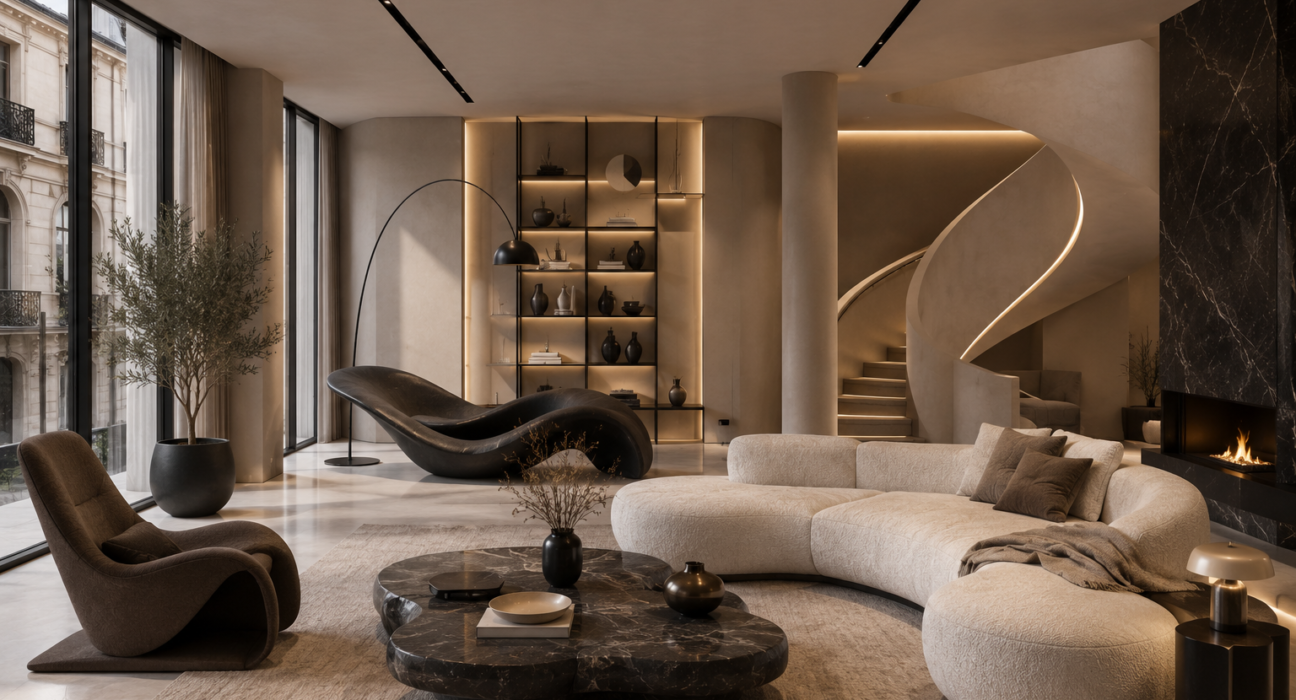
Another reason this story belongs in architecture news is its relevance to luxury home decor. Norway’s visual culture favors restraint, but restraint does not mean austerity. Instead, it creates room for texture, atmosphere, and craftsmanship to stand out.
Consider these Nordic-inspired decor principles for a luxury home:
- Natural fibers like sheepskin, linen, alpaca, and heavy wool
- Muted color stories drawn from snow, rock, forest, and sea
- Sculptural lighting that counters long winter darkness
- Handcrafted accents that bring tactile richness
- Functional beauty where every piece has purpose and presence
These elements help create a home that feels composed yet deeply livable. In a market saturated with overdesigned interiors, that balance is becoming a marker of true luxury design.
What This Means for the Future of Architecture News
The most important takeaway from this architecture news story is that the future of design is likely to be more human-centered. As global conversations continue around migration, climate, security, and identity, the meaning of home will keep evolving. Architects and designers who respond to those realities with empathy and intelligence will shape the next era of luxury living.
We are already seeing the effects in high-end residential design:
- More emphasis on emotional comfort and well-being
- Greater demand for homes connected to nature
- Preference for timeless materials over trend-driven excess
- Renewed respect for cultural context and local craft
- Flexible spaces that adapt to changing lifestyles
In that sense, Norway offers more than scenic inspiration. It offers a design framework where beauty, shelter, and belonging work together.
Conclusion: The Real Luxury Is Feeling at Home
This story in architecture news reminds us that the finest homes do more than protect or perform. They nurture, anchor, and tell stories about who we are and how we live. Norway’s landscape-driven perspective, as reflected in The Human Shelter, shows that the future of luxury architecture lies not only in stunning aesthetics, but in creating places of refuge, identity, and emotional depth.
For anyone following architecture news, the message is unmistakable: the next generation of luxury homes will be defined by meaning as much as by materials. And that may be the most sophisticated design evolution of all.