In the latest Architecture news from the global design world, the Türkiye Pavilion has unveiled Spolia Futures as its official exhibition for the 2027 Venice Architecture Biennale. Set to run from May 8 to November 21, 2027, the presentation signals a powerful shift in how luxury architecture and contemporary design culture are thinking about materials, memory, and the future of the built environment.
Commissioned by the Istanbul Foundation for Culture and Arts (İKSV) and curated by the research collective ba-be commons, Spolia Futures reinterprets the idea of spolia, the reuse of architectural fragments or building elements, as more than a historic gesture. Instead, it positions reuse as an active architectural strategy, one that can reshape how designers, homeowners, and institutions approach ecological responsibility, cultural continuity, and high-value design.
Architecture News From Venice: What Is Spolia Futures?
This major piece of Architecture news places Türkiye at the center of one of architecture’s most urgent conversations: how to build with what already exists. Selected through an open call and two-stage evaluation process, Spolia Futures will represent Türkiye at the 20th International Architecture Exhibition of La Biennale di Venezia.
The exhibition is organized around five interconnected themes:
- Coexistence
- Archiving
- Slowing down
- Repair
- Future speculation
Together, these ideas frame architecture not as a cycle of endless demolition and replacement, but as a layered cultural practice. For readers interested in luxury home design and luxury decor, this approach resonates far beyond the Biennale. It suggests that beauty, craftsmanship, and prestige can emerge from adaptation and intelligent reuse, not only from newly sourced materials.
Why Reuse and Memory Matter in Contemporary Architecture
At its core, this Architecture news story is about a wider transformation in architectural values. Spolia has traditionally referred to salvaged columns, stones, facades, or decorative fragments incorporated into new buildings. Spolia Futures expands that definition, treating inherited materials and construction knowledge as living resources that can inspire future forms of practice.
This matters because today’s architecture faces overlapping pressures:
- Climate change and resource scarcity
- Growing scrutiny of carbon-intensive construction
- Loss of local building knowledge and craft traditions
- The need for meaningful, place-based design
By focusing on repair and transformation, the Türkiye Pavilion argues for a regenerative model of design. Rather than extracting new resources at every stage, architects can work with existing matter, embedded histories, and collective memory. In luxury architecture, that principle can translate into homes and interiors with greater authenticity, richer material narratives, and longer-lasting value.
A Luxury Design Perspective on Spolia
For the luxury market, reuse is no longer synonymous with compromise. In fact, some of the most sophisticated luxury home decor trends now favor reclaimed stone, restored timber, hand-repaired finishes, and one-of-a-kind architectural elements that carry visible age and patina. What Spolia Futures does so well is elevate that instinct into a broader architectural philosophy.
In luxury homes, this could mean:
- Integrating antique or salvaged architectural details into new builds
- Preserving structural elements rather than replacing them
- Designing interiors around artisanal repair and material storytelling
- Using circular design principles to reduce waste without sacrificing elegance
That makes this Architecture news especially relevant to designers and homeowners seeking beauty with substance.
The Curators Behind Türkiye’s 2027 Biennale Exhibition
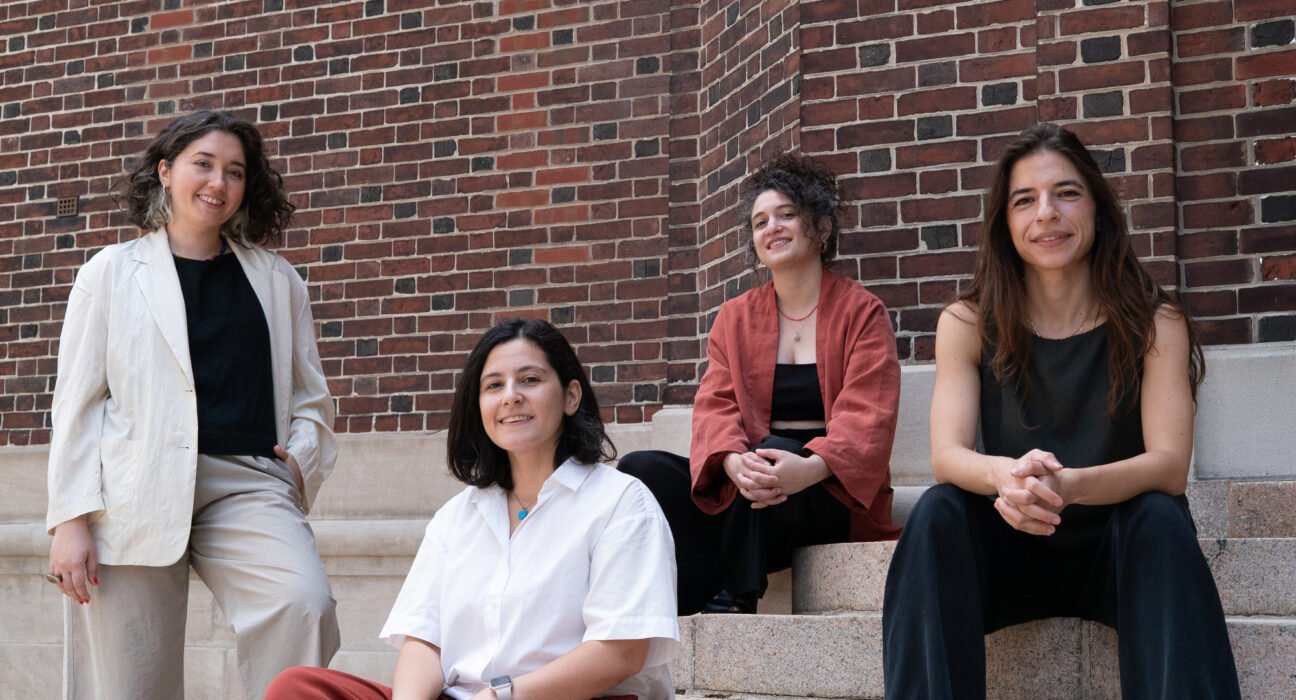
The exhibition is curated by ba-be commons, a research collective made up of Başak Eren, Asya Ece Uzmay, Beril Sarısakal Erkent, and Ece Yetim. Their collaborative background in architecture, design history, public space, archival research, and material culture gives the project notable intellectual depth.
Each curator brings a distinct perspective to the pavilion, from displaced architectures and archival representation to infrastructure history, political dimensions of design knowledge, and collective agency in drawing and spatial practice. That interdisciplinary foundation suggests Spolia Futures will be more than a conventional exhibition. It is likely to operate as a research-driven environment that invites visitors to think critically about how buildings remember, transform, and endure.
How Spolia Futures Builds on Türkiye’s Recent Biennale Momentum
Another important angle in this Architecture news update is continuity. Türkiye’s previous Venice presentation, Grounded at the 2025 Biennale, explored soil as both a physical material and a carrier of culture, ecology, and memory. With Spolia Futures, the pavilion continues its engagement with material culture, but shifts the emphasis toward reuse, repair, and the afterlife of building materials.
This progression feels especially timely. Across global architecture, there is rising interest in adaptive reuse, circular construction, and low-impact building methods. Türkiye’s pavilion is not just participating in that conversation; it is helping to refine it through a historically and culturally specific lens.
What This Means for the 2027 Venice Architecture Biennale
The 2027 Biennale, curated by Wang Shu and Lu Wenyu under the theme Do Architecture — For the Possibility of Coexistence Facing a Real Reality, is already shaping up to be deeply engaged with material realities, environmental limits, and shared futures. Within that context, Spolia Futures appears especially resonant.
It joins a growing list of national presentations exploring housing, territory, ecology, and political cooperation. Yet Türkiye’s contribution stands out for the way it links inherited matter with future design intelligence. It asks a crucial question: what if the path forward in architecture begins not with extraction, but with attention?
Why This Architecture News Matters Beyond the Biennale
The significance of this Architecture news extends beyond Venice. It points toward a design future in which luxury architecture, luxury decor, and luxury home planning are shaped by stewardship as much as spectacle. Reuse becomes a mark of discernment. Repair becomes a creative act. Memory becomes a design asset.
For architects, interior designers, developers, and design-conscious homeowners, the message is clear:
- Existing materials hold cultural and aesthetic value
- Circular design can align with premium quality
- Heritage and innovation are not opposites
- Sustainable thinking can produce more distinctive spaces
As Architecture news continues to spotlight ecological design, Spolia Futures offers one of the most compelling examples of how architecture can be both forward-looking and deeply rooted. Türkiye’s 2027 Venice Biennale pavilion reminds us that the future of design may lie in reimagining what we already have, and that may be the most luxurious idea of all.