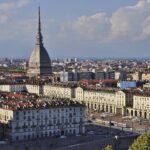
Architecture news rarely captures the full complexity of urban life, but the latest edition of Utopian Hours does exactly that. Returning for Part 2 of its Ten Years Edition, the international festival of city-making is set to turn Torino into a stage for urgent conversations about how cities are imagined, financed, shared, and transformed.
Following a successful gathering in Rotterdam, the festival continues its anniversary program with a two-day agenda that reaches far beyond traditional design discourse. While architects remain central to the conversation, Utopian Hours broadens the lens to include developers, policymakers, community organizers, mobility thinkers, and citizens themselves. For readers following luxury architecture, luxury design, and the future of high-value urban living, this event offers a revealing look at the forces reshaping contemporary cities.
Architecture News From Torino: Why Utopian Hours Matters Now
The most compelling aspect of this architecture news story is its timing. Cities across the world are facing mounting pressure from climate change, housing inequality, strained infrastructure, and changing expectations around public space. In that context, Utopian Hours is not simply another design festival. It is a forum for asking who has the right to shape urban environments and how urban decisions can serve a wider public.
The festival’s premise is intentionally expansive. Rather than treating the city as the product of architecture alone, it frames urban life as the result of many overlapping systems, including:
- Real estate and investment
- Transport and mobility networks
- Public institutions such as libraries and museums
- Food systems and neighborhood commerce
- Civic infrastructure, from squares to public toilets
- Grassroots participation and community-led action
That wider perspective makes this architecture news especially relevant for luxury sectors. High-end residential design, luxury home decor, and premium mixed-use developments do not exist in isolation. They depend on the quality, resilience, and cultural richness of the broader city around them.
Who Gets to Make Cities?
One of the central themes of the festival is a deceptively simple question: who gets to make cities? For decades, urban development has often been dominated by a narrow set of decision-makers. Yet today, a more democratic approach is gaining traction, one that recognizes residents, activists, and local organizations as critical participants in shaping place.
This shift is a major point of interest in current architecture news because it challenges long-standing assumptions about authorship in design. A city is not merely a collection of iconic buildings. It is a living environment shaped by policy, behavior, maintenance, adaptation, and access.
For luxury architecture audiences, that idea carries practical significance. Prestige projects increasingly need to demonstrate social value, environmental intelligence, and urban sensitivity. In premium neighborhoods and emerging design districts alike, successful development now depends on how well it engages with the life of the street, public amenities, and local identity.
Why this matters for luxury living
In the luxury market, value is no longer defined only by square footage or finishes. It is also shaped by proximity to meaningful public space, walkability, cultural infrastructure, and long-term resilience. In other words, good city-making enhances good real estate.
That means the conversations highlighted in this architecture news update have implications for:
- Luxury home buyers seeking vibrant, connected neighborhoods
- Developers planning mixed-use or branded residential projects
- Designers integrating private comfort with public urban quality
- Investors assessing long-term desirability and livability
Rethinking Existing Space, Infrastructure, and Mobility
Another major focus of the festival is how existing urban spaces and infrastructure can be used differently. This is one of the most important currents in contemporary architecture news, as cities move away from demolition-first thinking and toward adaptation, reuse, and layered planning.
Rather than asking only what new buildings should be added, the event encourages discussion around what is already there: streets, underused public areas, civic buildings, transport systems, and everyday infrastructure. This approach aligns strongly with sustainable urbanism, where the smartest design move is often to reinterpret and upgrade rather than replace.
Climate change also plays a central role in the conversation. Public space and mobility are increasingly affected by heat, flooding, air quality concerns, and changing transportation habits. Design responses now need to consider shade, permeability, multimodal transit, and low-carbon lifestyles as baseline requirements, not optional enhancements.
For those working in luxury design and luxury home decor, these larger urban shifts influence private interiors too. Homes are being designed with greater sensitivity to energy performance, outdoor living, wellness, and flexible use. The city and the home are no longer separate design conversations; they are deeply connected.
A Masterclass With Sir Peter Cook Brings Visionary Weight
The program begins at what the organizers describe as the opposite end of the architectural spectrum, with a masterclass by Sir Peter Cook, co-founder of Archigram. Just before his 90th birthday, Cook’s appearance in Torino adds intellectual depth and historical resonance to this architecture news moment.
Cook has long been associated with radical thinking about cities, mobility, and speculative urban futures. His work helped redefine how architects imagine possibility, even when those ideas seemed far ahead of mainstream practice. Bringing his voice into the festival reinforces the event’s central message: cities need imagination as much as they need regulation and investment.
His presence also bridges generations. Younger urban practitioners are grappling with climate adaptation, participation, and social equity, while Cook represents a lineage of experimental design that challenged static ideas of urban form. Together, those perspectives create a richer conversation about where cities go next.
Why This Architecture News Resonates Beyond the Festival
What makes this architecture news story stand out is that it speaks to both specialists and everyday city users. Utopian Hours is not narrowly about buildings. It is about urban agency, shared resources, and the design of collective life.
That broad relevance is especially important now. Luxury home, luxury decor, and premium architecture audiences are increasingly attuned to context. A beautifully designed residence means more when it sits within a thriving, inclusive, climate-aware neighborhood. Likewise, standout urban projects gain value when they contribute to a city’s social and civic fabric.
In that sense, the festival reflects a larger shift in design culture. Excellence is no longer measured only by visual impact. It is also measured by usefulness, adaptability, and the ability to support a better urban experience.
As a result, this architecture news signals more than an event announcement. It highlights a growing consensus that the future of cities will be shaped through collaboration across disciplines and through a renewed focus on how people actually live.
Conclusion
In a crowded global conversation about design, this architecture news update offers a sharper, more human-centered perspective. Utopian Hours in Torino reminds us that city-making is not the responsibility of architects alone, but a shared project involving institutions, infrastructure, investment, and citizens.
The key takeaway is clear: the most compelling urban futures will come from combining bold imagination with practical inclusivity. For anyone tracking luxury architecture, luxury homes, or the evolution of modern cities, this is architecture news worth watching closely.