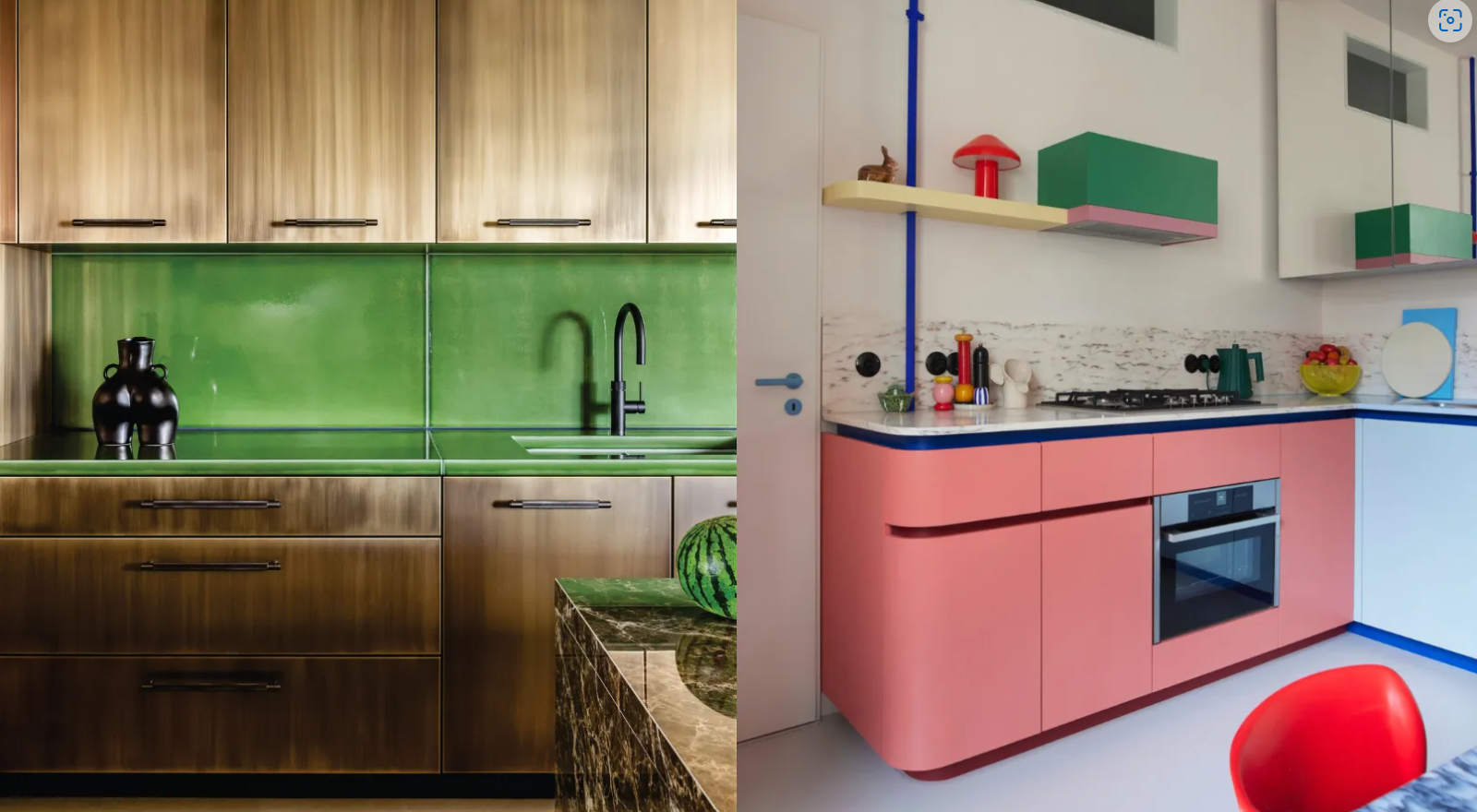


Architecture news rarely carries stakes as high as those set at COP31 in Antalya. For architects, developers, and luxury homeowners alike, the summit underscored a simple reality: the future of design will be shaped not only by aesthetics, but by energy performance, resilience, and climate investment.
The 31st United Nations Climate Change Conference concluded after extended negotiations, delivering progress on building efficiency and urban resilience while stopping short of a broader political agreement on fossil fuels. For the built environment, that mixed result matters. High-end architecture, luxury decor, and premium residential design are increasingly being judged through the lens of operational efficiency, electrification, and long-term adaptability.
Architecture News from COP31: Why the Built Environment Took Center Stage
Among the most important takeaways in this architecture news update is the growing recognition that buildings sit at the center of climate action. They consume vast amounts of energy, generate substantial emissions, and remain highly vulnerable to heat waves, flooding, and infrastructure stress.
At COP31, governments, urban leaders, and industry stakeholders focused on four key areas:
- Improving building energy performance
- Accelerating electrification in homes and commercial spaces
- Strengthening urban resilience and housing adaptation
- Unlocking finance for climate-ready city projects
For the luxury architecture sector, these themes are no longer niche sustainability concerns. They are becoming core design principles that affect asset value, comfort, and long-term desirability.
The Antalya Compact for Energy Efficient Buildings
The headline development in architecture news from Antalya was the launch of the Antalya Compact for Energy Efficient Buildings. Introduced by the Turkish Presidency with support from the Global Alliance for Buildings and Construction, the framework sets out a voluntary pathway to reduce the operational energy intensity of the global building stock by 25% by 2035, compared with 2020 levels.
The Compact also aligns with a broader push for electrification, supporting the so-called 35-by-35 goal to increase electricity’s share of global final energy consumption to 35% by 2035.
What the Compact prioritizes
The framework identifies several practical directions for action:
- Integrating energy efficiency into national building strategies
- Strengthening energy and carbon performance standards
- Accelerating renovation of existing buildings
- Reducing demand through passive design measures
- Improving flexibility between buildings and energy systems
- Mobilizing finance and technical expertise
For luxury home design, these goals translate into tangible opportunities: advanced façades, passive cooling strategies, high-performance insulation, smart energy management, electrified heating and cooling, and resilient material choices. In other words, climate-aware design is becoming synonymous with premium living.
Climate-Resilient Cities and Housing Are Rising in Importance
Another major thread in this architecture news cycle was urban resilience. COP31 discussions emphasized that climate adaptation cannot remain an abstract policy exercise. It must show up in housing, public infrastructure, neighborhood planning, and post-disaster reconstruction.
Officials and experts highlighted the need for homes and urban systems that can withstand extreme heat, flooding, and service disruption. That message is especially relevant for high-value residential markets, where buyers increasingly expect not just elegance, but security and continuity.
What resilience means for design professionals
For architects, planners, and interior-focused luxury brands, resilient design now includes:
- Flood-aware site planning
- Heat-mitigating landscapes and shaded outdoor rooms
- Durable, low-maintenance materials
- Backup-ready electrical systems
- Water-sensitive urban and residential design
- Flexible layouts that support changing climate conditions
This is where climate strategy meets luxury design. A beautifully crafted residence that stays cool naturally, performs efficiently, and resists climate shocks offers a new definition of sophistication.
How COP31 Addressed Financing for Urban Resilience
No architecture news story about COP31 is complete without discussing money. Ambitious climate frameworks only matter if cities and communities can fund implementation. That is why the Sustainable Urban Resilience Financing Facility, or SURFF, drew attention during the summit.
Developed through Türkiye’s İLBANK with support from UN-Habitat and the World Bank, the initiative aims to help cities turn climate commitments into investable projects. Rather than acting as a standalone fund, SURFF is intended to connect municipalities with financing tools, technical support, and implementation partners.
Why this matters beyond policy circles
For the design and development world, financing mechanisms like SURFF could influence:
- Resilient infrastructure upgrades
- Climate-adaptive housing projects
- Urban regeneration efforts
- Public realm improvements
- Stronger municipal project pipelines
The luxury real estate market often thrives where cities invest in quality infrastructure, mobility, green space, and reliable services. Climate finance therefore has a downstream effect on property values, neighborhood appeal, and future development opportunities.
Fossil Fuels, Electrification, and the Unfinished Climate Debate
Despite progress on buildings, the biggest unresolved issue in this architecture news report remains the broader energy transition. COP31 failed to secure consensus on an overarching Antalya Pact, largely because countries disagreed over how directly to address fossil fuels, finance, and overall ambition.
That leaves a complicated picture for the built environment. On one hand, around 80 countries backed the 35-by-35 electrification pledge, reinforcing momentum for cleaner building systems. On the other hand, voluntary efficiency measures do not replace a binding global roadmap to move away from coal, oil, and gas.
For architects and developers, this means the pace of change will continue to vary by region. Local building codes, utility infrastructure, investment incentives, and market demand will determine how fast low-carbon design becomes standard practice.
What This Means for Luxury Architecture, Decor, and Home Design
The clearest lesson from this architecture news moment is that sustainability and luxury are no longer separate conversations. They are converging.
Expect to see greater emphasis on:
- High-performance envelopes in custom homes
- Electrified kitchens, heating, and cooling systems
- Passive design integrated into luxury architecture
- Climate-conscious materials and finishes
- Landscape strategies that cool, retain water, and protect property
- Smart home systems focused on energy optimization
In luxury decor and interior design, this shift may also reshape product choices, from low-impact finishes to shading systems, ventilation strategies, and materials selected for thermal comfort as much as visual appeal.
Conclusion: Why This Architecture News Matters Now
COP31 did not deliver a sweeping global breakthrough, but it moved the conversation forward where buildings and cities are concerned. The Antalya Compact, urban resilience discussions, and new financing pathways all signal that the built environment is becoming a frontline arena for climate action.
For readers tracking architecture news, the takeaway is clear: tomorrow’s most desirable homes and cities will be those designed for beauty, efficiency, and resilience at the same time. In luxury architecture and design, climate readiness is quickly becoming the new benchmark of enduring value.