Architecture news often focuses on headline-grabbing towers and iconic interiors, but the real story in 2026 is scale. As the world’s biggest cities continue to expand, population growth is reshaping how luxury architecture, high-end homes, premium decor, and urban design are conceived, built, and experienced.
Released around World Population Day, the latest city population rankings highlight where urban pressure is intensifying fastest. More than a simple list, these numbers offer a revealing lens into the future of residential demand, infrastructure, land value, climate resilience, and the evolution of luxury living in dense global centers.
Architecture News and the 2026 Ranking of the World’s Largest Cities
According to the latest estimates cited from World Population Review, the 20 most populated cities in 2026 are led by Shanghai, Delhi, and Kinshasa, followed closely by Mumbai, Beijing, and Karachi. Several Chinese and Indian cities dominate the ranking, while major urban centers in Africa also signal the next wave of growth.
The top 20 cities by population in 2026 include:
- Shanghai – 24,722,254
- Delhi – 23,390,383
- Kinshasa – 21,852,144
- Mumbai – 21,782,818
- Beijing – 21,571,693
- Karachi – 21,243,390
- Shenzhen – 20,622,629
- Guangzhou – 18,515,410
- Kano – 17,510,247
- Chengdu – 15,831,571
- Istanbul – 15,791,519
- Bengaluru – 15,565,994
- Kolkata – 15,440,671
- Lagos – 14,881,845
- Lahore – 14,062,745
- Moscow – 13,399,945
- Chennai – 13,109,989
- Jakarta – 12,545,537
- Tianjin – 12,361,093
- Johannesburg – 12,043,175
Growth rates matter just as much as total population. Kinshasa, Bengaluru, Karachi, and Kano stand out for faster annual expansion, indicating where housing supply, infrastructure planning, and new development pressure may rise most sharply.
Why Population Growth Matters for Luxury Architecture
In today’s architecture news, population growth is not just an urban planning issue. It directly affects luxury real estate strategy, bespoke home design, interior sophistication, and the scarcity of premium locations. As cities become denser, luxury shifts from excess square footage alone to a more refined equation: privacy, wellness, access, views, materials, and resilience.
For developers and design professionals, fast-growing cities create a new set of priorities:
- Land efficiency: Prime sites become rarer, increasing demand for vertical luxury housing.
- Mixed-use convenience: Wealthy buyers increasingly value residences integrated with retail, hospitality, and wellness amenities.
- Climate adaptation: Flood resistance, passive cooling, air quality, and durable materials become luxury essentials.
- Mobility: Proximity to business districts, airports, and cultural hubs adds premium value.
- Private sanctuary: In dense cities, acoustic comfort, secure access, and curated outdoor space feel more exclusive than ever.
These shifts are especially relevant to luxury home and luxury home decor categories, where clients want residences that feel calm, personalized, and future-ready despite the pressure of a megacity environment.
Design Lessons from the Fastest-Growing Urban Centers
Density is driving vertical luxury
In cities such as Shanghai, Shenzhen, Mumbai, and Delhi, density continues to encourage high-rise living. But the newest generation of upscale towers is moving beyond spectacle. Architects are prioritizing larger terraces, double-height amenity spaces, biophilic design, private lift access, and hotel-style service models that support a high-end urban lifestyle.
Young populations are changing residential expectations
Global demographic conversations in 2026 are increasingly tied to young people’s aspirations around education, employment, housing, and family life. That matters for luxury design too. Affluent younger buyers often seek flexible layouts, smart home integration, wellness rooms, hybrid workspaces, and socially connected buildings rather than traditional compartmentalized floor plans.
Luxury decor is becoming more sensory and restorative
As megacities intensify, interior design responds by emphasizing calm. In premium residences, that means natural stone, warm timber, tactile textiles, filtered light, handcrafted finishes, and discreet technology. Luxury decor is no longer only about ornament; it is about creating emotional relief from urban speed and visual overload.
Which Cities Could Shape the Next Luxury Design Wave?
Not every city on the list influences global luxury design in the same way, but several stand out in current architecture news for their likely impact on the market.
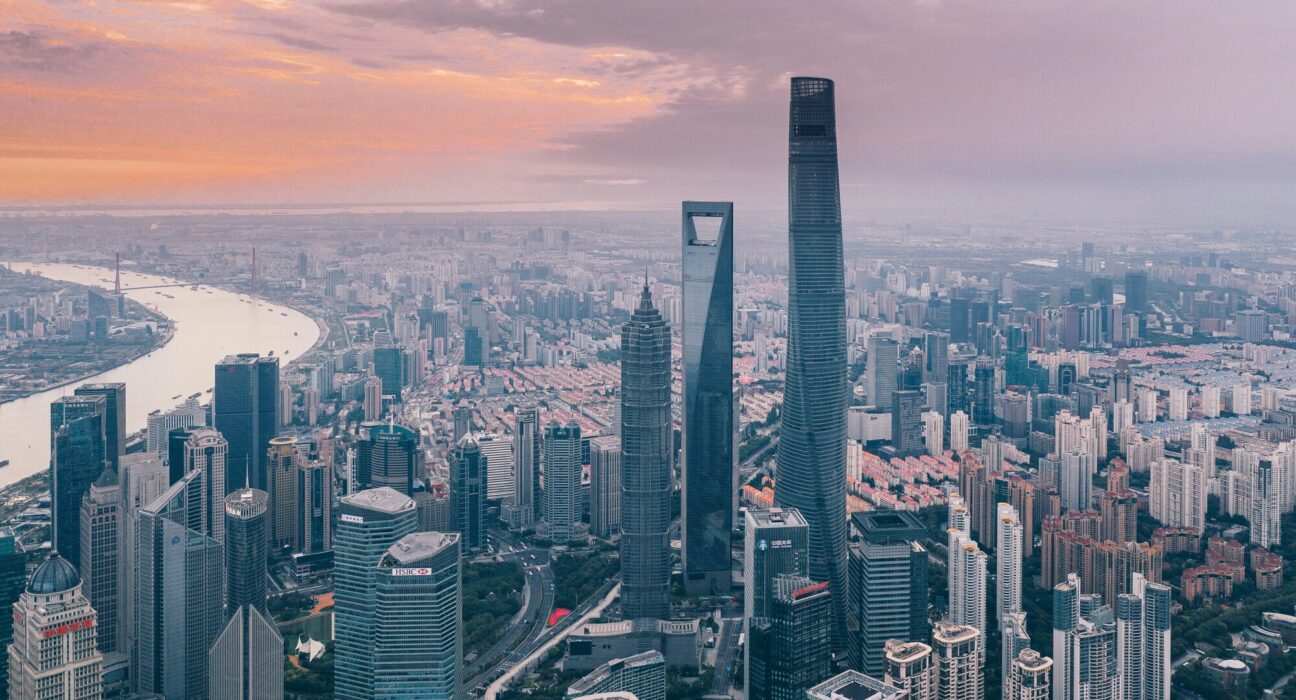
- Shanghai: A benchmark for supertall skylines, branded residences, and polished contemporary interiors.
- Delhi and Mumbai: Key markets where wealth creation, density, and design innovation continue to intersect.
- Shenzhen and Guangzhou: Important laboratories for tech-integrated living, mixed-use districts, and rapid urban transformation.
- Kinshasa and Lagos: Cities to watch as African urban growth increases the urgency of infrastructure, housing, and aspirational development.
- Istanbul: A city where heritage, waterfront luxury, and cross-continental identity keep influencing high-end residential design.
At the same time, the ranking comes with an important caveat: city population data varies depending on whether one measures the city proper, metropolitan area, or broader urban agglomeration. That distinction can affect how cities like Jakarta or Tokyo appear in comparative rankings, especially when suburban populations are counted differently.
What This Means for Luxury Home, Decor, and Urban Living
For readers tracking luxury architecture and design, the takeaway is clear. The future of elite urban living will be shaped less by isolated landmark projects and more by how cities manage scale. The most desirable homes will combine exceptional aesthetics with practical intelligence.
Expect the strongest luxury trends to include:
- Smarter floor plans that maximize usable space without sacrificing elegance
- Private outdoor areas, even in high-rise settings
- Wellness-driven amenities such as spas, meditation rooms, and filtered air systems
- Sustainable materials and lower-carbon building strategies
- Interiors that balance global sophistication with local identity and craftsmanship
That is why architecture news tied to demographics deserves close attention. Population figures help explain where demand will surge, where premium housing will evolve, and where architects and designers must respond with more resilient, inclusive, and beautifully resolved urban environments.
In the end, the world’s largest cities in 2026 are not just population milestones. They are signals of where the next chapter of luxury architecture, luxury home decor, and metropolitan design will unfold. For anyone following architecture news, these growing urban centers offer a powerful preview of how luxury will adapt in an increasingly crowded world.