Architecture news is rarely just about buildings anymore. In 2026, the world’s largest cities tell a bigger story: where people live, how they move, what they can afford, and how luxury architecture must evolve inside increasingly dense urban environments.
Released in the context of World Population Day, the latest population estimates spotlight the 20 most populated cities in 2026 and reveal where demographic pressure is intensifying fastest. For architects, developers, and luxury homeowners, these numbers matter. They shape land values, skyline growth, infrastructure demand, high-end residential design, and the future of urban lifestyle.
Architecture News and the New Geography of Global Urban Growth
This latest architecture news reflects a world in which urbanization is no longer a distant trend. More than half of humanity already lives in cities, and that share is expected to move toward 70% by 2050. As populations rise, major cities face mounting pressure on:
- Housing supply and affordability
- Mobility and transit systems
- Public space and livability
- Climate resilience and infrastructure
- Energy efficiency and water resources
For the luxury sector, that pressure creates both risk and opportunity. Prime urban real estate becomes more valuable, while demand grows for smarter towers, mixed-use developments, wellness-centered interiors, and private homes that offer refuge within dense metropolitan settings.
The 20 Largest Cities in 2026
According to the latest World Population Review estimates, these are the world’s most populated cities in 2026:
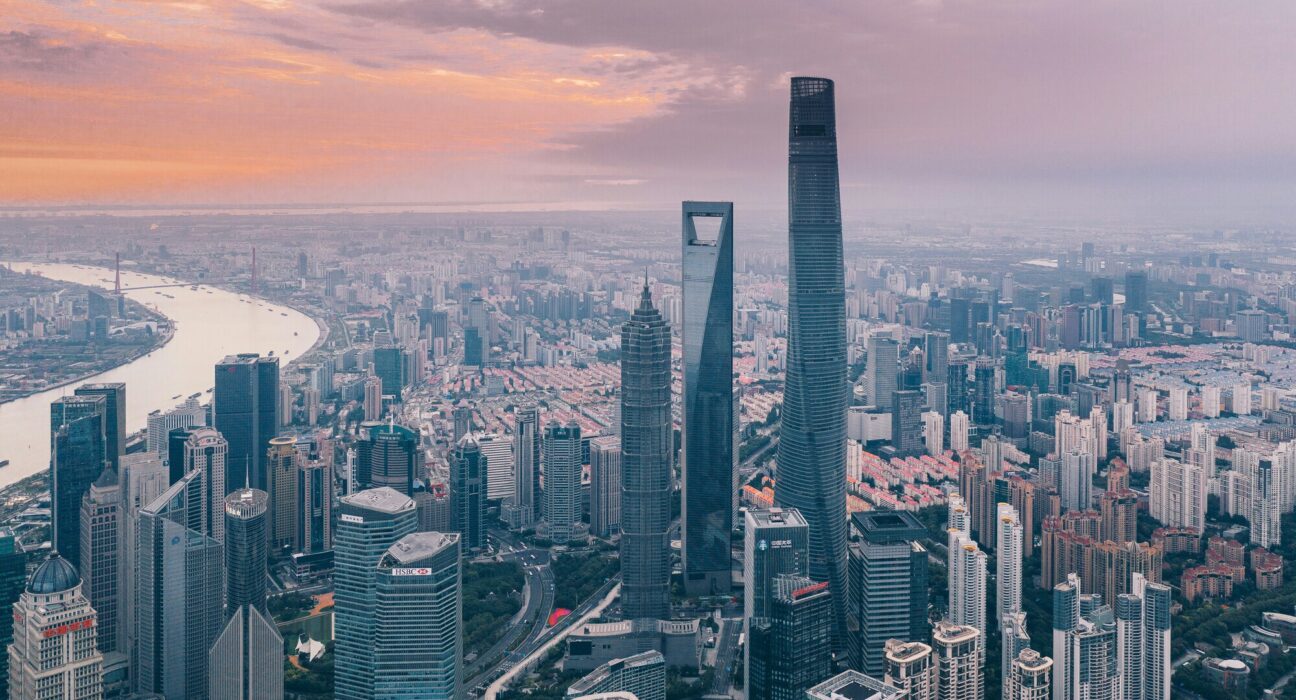
- Shanghai — 24,722,254
- Delhi — 23,390,383
- Kinshasa — 21,852,144
- Mumbai — 21,782,818
- Beijing — 21,571,693
- Karachi — 21,243,390
- Shenzhen — 20,622,629
- Guangzhou — 18,515,410
- Kano — 17,510,247
- Chengdu — 15,831,571
- Istanbul — 15,791,519
- Bengaluru — 15,565,994
- Kolkata — 15,440,671
- Lagos — 14,881,845
- Lahore — 14,062,745
- Moscow — 13,399,945
- Chennai — 13,109,989
- Jakarta — 12,545,537
- Tianjin — 12,361,093
- Johannesburg — 12,043,175
Several patterns stand out in this architecture news update. Asia continues to dominate the list, with China and India strongly represented, while African cities such as Kinshasa, Kano, Lagos, and Johannesburg underscore the continent’s growing urban influence.
Why Population Rankings Matter to Luxury Architecture
Population totals are not just statistics. They influence where architects build, how developers invest, and what affluent buyers expect from a city home. In major urban centers, density changes the definition of luxury.
1. Space Becomes the Ultimate Premium
In highly populated cities like Shanghai, Delhi, and Mumbai, square footage is increasingly precious. Luxury homes are responding with highly efficient planning, flexible layouts, double-height living areas, private terraces, and bespoke storage solutions that make compact footprints feel expansive.
2. Vertical Living Gets More Sophisticated
As land becomes scarcer, high-rise living evolves. The most desirable towers now combine architecture, hospitality, and lifestyle. Expect features such as:
- Private wellness floors
- Sky gardens and elevated courtyards
- Touchless smart-home systems
- Acoustic insulation and privacy engineering
- Curated luxury home decor with natural materials
In this sense, architecture news increasingly overlaps with luxury design and luxury decor trends.
3. Infrastructure Defines Real Estate Value
Access to transit, airports, business districts, and cultural institutions has become central to prestige. A luxury home in a megacity is no longer judged only by finishes, but by its connection to the urban ecosystem around it.
Fast-Growing Cities to Watch
Some of the most important signals come not from total population alone, but from annual growth rates. Kinshasa recorded 5.13% growth, while Bengaluru reached 4.1% and Karachi 4.03%. These are powerful indicators for future construction demand.
For the luxury market, fast-growing cities often create conditions for:
- New high-end residential districts
- Landmark mixed-use developments
- Demand for premium interiors and luxury home decor
- Greater emphasis on resilient urban planning
This is where architecture news becomes especially relevant to investors and design professionals. Growth can accelerate opportunity, but only if cities also address mobility, utilities, and public realm quality.
Design Lessons from the World’s Biggest Cities
The world’s largest cities are laboratories for the future of urban living. Whether in Shenzhen, Istanbul, Lagos, or Jakarta, several design lessons are becoming clear.
Resilience Is the New Luxury
Flood mitigation, shading systems, passive cooling, water management, and durable materials are no longer purely technical concerns. In premium residential design, resilience has become part of the value proposition.
Privacy Must Be Designed, Not Assumed
In dense environments, luxury means visual calm, acoustic comfort, controlled access, and thoughtful transitions between public and private space. This is shaping both architecture and luxury interior design.
Nature Is Essential, Not Decorative
Biophilic design, planted terraces, interior courtyards, rooftop landscapes, and natural ventilation strategies are increasingly central in high-end projects. In crowded cities, greenery is both a wellness feature and a status marker.
A Note on How City Population Is Measured
One important nuance in this architecture news story is that city rankings depend on how boundaries are defined. Some figures refer to the city proper rather than the wider metropolitan area or urban agglomeration. That means cities with extensive suburban populations may appear lower than expected when compared with broader metro-based rankings.
For architects and developers, the takeaway is simple: headline numbers are useful, but planning decisions require a deeper understanding of regional growth, commuting patterns, and suburban expansion.
What This Means for Luxury Homes and Design in 2026
The biggest cities in the world are not merely growing; they are redefining aspiration. Luxury architecture in 2026 must answer to density, sustainability, infrastructure strain, and changing lifestyles among younger urban populations. The most successful projects will blend elegance with efficiency, exclusivity with connectivity, and beauty with resilience.
That is the real message behind this architecture news: population growth is transforming the brief for architects, interior designers, and developers. In the decade ahead, the finest urban homes will be those that make megacity life feel calmer, smarter, and more humane.