Architecture news is increasingly focused on a hard truth for homeowners, designers, and developers alike: resilience is no longer optional. As climate shocks, earthquakes, floods, wildfires, and extreme heat reshape the built environment, the most important frontier in design may be the home itself—especially where luxury architecture meets long-term safety, comfort, and value.
The 2026 theme for the International Day for Disaster Risk Reduction, “Resilience Starts at Home,” places housing at the center of global preparedness. That message resonates far beyond emergency planning. For the luxury home market, it signals a new design standard in which beauty, performance, and protection must work together from the earliest concept sketches to the final material selections.
Architecture News and the Rise of Resilient Home Design
Recent architecture news has highlighted how disaster impacts are shaped not only by the force of natural hazards, but by the quality of the buildings and settlements that stand in their path. Earthquakes in Venezuela, Japan, California, and Colombia, along with catastrophic flooding in the Himalayas, have reinforced a central lesson: poor siting, weak construction, and outdated building standards can turn hazards into housing crises.
In luxury architecture, resilience is becoming a defining feature rather than a hidden technical layer. High-end homes are increasingly expected to deliver:
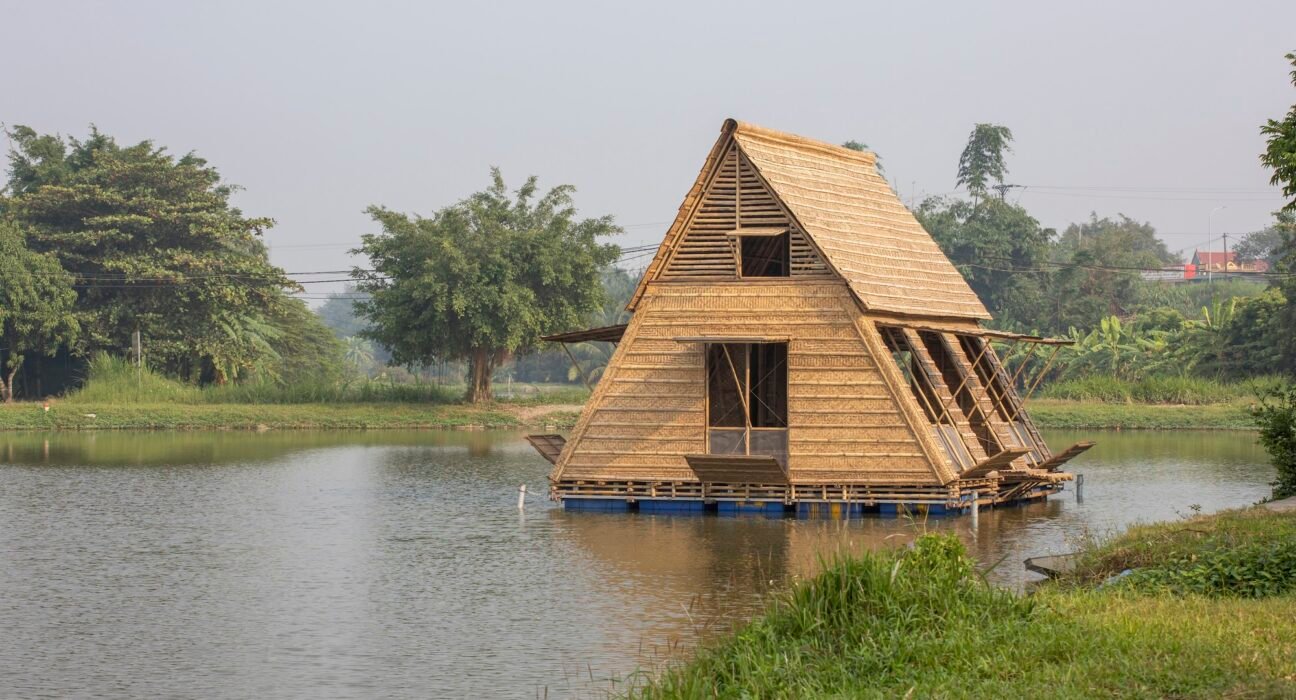
- Elevated or amphibious strategies in flood-prone regions
- Fire-resistant envelopes and protected openings in wildfire zones
- Passive cooling and heat-resistant materials in hot climates
- Backup energy and water systems for service disruptions
- Flexible layouts that support shelter-in-place and recovery
This shift reflects a broader evolution in luxury design. Today’s most desirable homes are not just visually striking—they are intelligent, climate-aware, and built to endure.
Why Resilience Starts With the Luxury Home
The phrase “resilience starts at home” captures a practical and emotional reality. Home is where disaster impacts are felt most directly, but it is also where design can reduce vulnerability every day. For luxury homeowners, that means investing in architecture that protects both lifestyle and legacy.
Site Selection Matters as Much as Style
One of the most overlooked lessons in architecture news is that resilience begins before construction. A spectacular residence in a hazard-prone location without proper land-use planning can face greater risks regardless of how refined the interiors may be. Risk-informed site analysis should evaluate flood exposure, wildfire patterns, seismic activity, drainage, topography, and future climate conditions.
For luxury developments, this often translates into master planning that integrates landscape buffers, water management systems, shaded outdoor areas, and safer circulation routes. A home’s setting should be curated not only for views and privacy, but for environmental intelligence.
Designing for Recurrent Conditions, Not Rare Events
Modern resilient design assumes that extreme weather is not an exception. Seasonal flooding, prolonged heat waves, smoke events, and grid failures are becoming part of ordinary planning. In response, luxury home decor and luxury design are beginning to align with architectural performance.
Examples include:
- Deep overhangs and shaded terraces that reduce solar gain
- Natural ventilation strategies that maintain comfort during outages
- Impact-resistant glazing that protects interiors during storms
- Moisture-tolerant finishes in vulnerable ground-floor spaces
- Landscape design that slows runoff and supports cooling
These features enhance everyday living while adding a crucial layer of resilience. In premium residential design, function and elegance no longer compete—they reinforce one another.
From Emergency Shelter to Lasting Recovery
Another key theme emerging in architecture news is the value of adaptable construction after disaster. Emergency architecture has evolved well beyond temporary shelters. Modular systems, prefabricated components, and locally sourced materials now play a major role in rebuilding homes faster and more responsibly.
While these strategies are often associated with humanitarian response, they offer relevant lessons for luxury architecture as well. Precision fabrication can improve quality control, shorten build times, and reduce material waste. Vernacular methods can improve climate responsiveness and connect homes to local identity. Even in exclusive residential projects, resilience often comes from combining advanced engineering with place-based wisdom.
For designers in the luxury home sector, post-disaster reconstruction also raises an important question: how can a home recover gracefully after disruption? Durable assemblies, replaceable components, and accessible maintenance systems can dramatically reduce long-term damage and restoration costs.
Materials, Infrastructure, and the Future of Resilient Luxury Design
The most forward-looking architecture news shows that resilience extends beyond the building envelope. Homes depend on the surrounding systems that support them, from streets and drainage to energy and public space. That is why resilient luxury design increasingly considers infrastructure and landscape as part of the architecture itself.
Smarter Materials for Safer Homes
Material innovation is transforming what a high-performance home can do. Fire-resistant cladding, permeable paving, advanced insulation, reflective surfaces, and low-carbon structural systems all contribute to safer, more comfortable living environments. In luxury home decor, the challenge is integrating these materials without compromising tactility or visual refinement.
The best projects achieve both. Stone, treated timber, engineered bamboo, metal screening, and high-performance composite systems can all be specified to meet elevated aesthetic standards while improving resilience.
Blue-Green Strategies Add Beauty and Protection
Water retention gardens, green roofs, bioswales, permeable courtyards, and shaded planting schemes are becoming hallmarks of resilient residential design. These blue-green strategies help manage flooding, lower surface temperatures, and improve biodiversity while creating beautiful outdoor spaces.
In the luxury market, this approach has special appeal because it turns protective infrastructure into an experiential asset. A stormwater garden can read as a serene landscape feature. A green roof can function as a private retreat. Resilience, in this sense, becomes part of the home’s sensory and architectural richness.
Resilience, Equity, and a New Standard for Architecture News
One of the most important dimensions of current architecture news is the reminder that resilience is also a social issue. Access to safer construction, stronger codes, and better infrastructure is unevenly distributed. While luxury homes can often adopt advanced solutions first, they also have the potential to influence broader market expectations, supplier innovation, and regulatory ambition.
Developers, architects, builders, and homeowners all have a role to play. By supporting stronger building standards, investing in climate-responsive design, and prioritizing long-term performance, the luxury sector can help normalize resilience as a baseline expectation—not a premium add-on.
Conclusion: Architecture News Shows the Home of the Future Must Be Resilient
The clearest lesson from today’s architecture news is that resilience starts with decisions made at home: where we build, how we build, and what we value in design. For luxury architecture, the future belongs to homes that unite beauty, durability, environmental intelligence, and peace of mind.
In an era of rising uncertainty, resilient design is not simply a technical safeguard. It is the new expression of thoughtful luxury—one that protects people, preserves investment, and creates homes capable of thriving through change.