
Architecture news rarely captures a city’s cultural identity, urban ambition, and global design influence in a single announcement—but Rio de Janeiro’s landmark designation does exactly that. Named the first UIA/UNESCO World Capital of Architecture, Rio secured a title that elevates its architectural heritage while spotlighting the future of luxury architecture, urban planning, and design-led citymaking.
The recognition, approved by the International Union of Architects (UIA) and formally tied to UNESCO’s program, marked a defining moment for Rio de Janeiro. More than an honorary label, the designation positioned the Brazilian city as an international platform for conversations about architecture, landscape, sustainability, and inclusive urban development. For readers following luxury architecture and high-end design trends, this is a reminder that great cities shape interiors, homes, and lifestyles just as much as iconic buildings do.
Architecture News: Rio de Janeiro Earns a Historic Global Design Title
According to the announcement, the UIA Council unanimously approved Rio de Janeiro as the first World Capital of Architecture in connection with the 27th World Congress of Architects. UNESCO was set to formalize the designation under its agreement with the UIA, establishing a new global model that links architecture, culture, and civic dialogue.
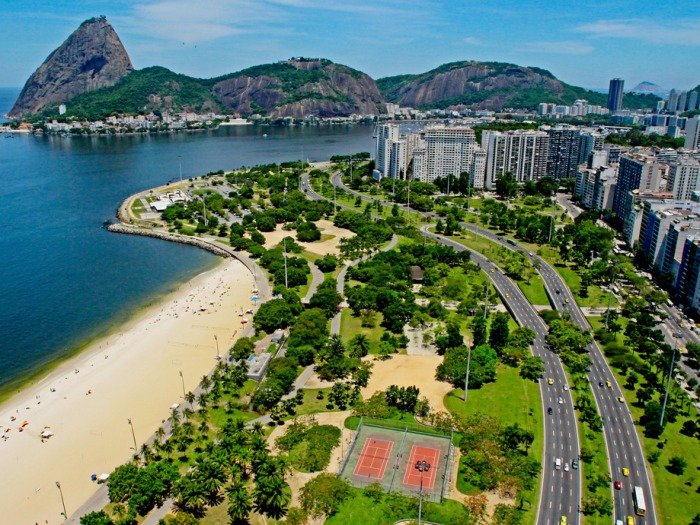
This milestone matters because Rio was not chosen solely for its famous skyline or postcard scenery. The city was recognized for its layered architectural, historical, and cultural legacy—qualities that continue to influence modern design thinking worldwide. From modernist landmarks to dramatic public landscapes, Rio offers a rare intersection of natural beauty and ambitious urban form.
For the luxury design sector, this kind of international recognition often has a ripple effect:
- It raises global interest in a city’s architectural language
- It inspires new residential and hospitality design projects
- It reinforces the value of place-driven luxury interiors and decor
- It encourages investment in public-facing cultural and urban spaces
Why Rio’s Architectural Heritage Resonates Beyond Public Buildings
In today’s architecture news cycle, heritage is no longer viewed as separate from innovation. Rio de Janeiro demonstrates how the two can coexist. The city’s built environment reflects a dialogue between historic identity, tropical modernism, civic space, and contemporary urban pressures.
That is especially relevant to luxury home and luxury home decor audiences. High-end residential design increasingly draws from broader urban and cultural narratives. In Rio’s case, that means:
- Fluid indoor-outdoor living inspired by climate and landscape
- Sculptural forms that echo modern Brazilian architecture
- Natural materials and artisanal finishes rooted in regional craft
- Panoramic spatial planning that prioritizes views, light, and openness
Luxury architecture today is not only about exclusivity; it is about context. Cities with strong architectural identities often shape the aesthetics of premium homes, bespoke interiors, and collector-level decor.
The Role of the World Congress of Architects in Shaping Global Design Conversations
One of the most significant dimensions of this architecture news story is its connection to the World Congress of Architects, one of the profession’s largest international gatherings. Rio’s hosting role was expected to bring thousands of architects, planners, and design professionals together, turning the city into a global forum for ideas.
These events matter because they influence what comes next in both public and private design. Themes discussed at major architecture congresses often filter into:
- Luxury residential development strategies
- Sustainable material innovation
- Urban wellness and biophilic design
- Adaptive reuse and heritage preservation
- Smart city planning and climate-responsive architecture
For luxury design professionals, that creates a valuable bridge between urban policy and high-end lifestyle environments. The best homes and interiors increasingly reflect the same principles shaping world-class cities: resilience, beauty, flexibility, and social relevance.
What This Means for Luxury Architecture and Design Trends
As architecture news goes, Rio’s designation stands out because it is both symbolic and practical. Symbolically, it confirms architecture as a cultural force worthy of global recognition. Practically, it creates momentum for debate around the future of cities—especially how they become more sustainable, equitable, and livable.
That has clear implications for luxury categories:
1. Luxury Architecture
Expect more emphasis on site-sensitive design, dramatic landscape integration, and buildings that engage with the public realm rather than turning away from it.
2. Luxury Decor
Designers often respond to major cultural moments by embracing local craft, organic textures, and collectible pieces that reflect architectural storytelling.
3. Luxury Home
Homeowners are increasingly drawn to residences that feel connected to place—through materials, spatial flow, and climate-aware planning.
4. Luxury Home Decor
Decor trends linked to architectural thinking include curated natural stone, tropical palettes, artisan woodwork, and furnishings that blur the line between interior design and sculptural art.
Urban Challenges, Sustainability, and the Future of Great Cities
A central message in this architecture news development was legacy. Organizers emphasized that the designation should help focus public officials and society on urban challenges while encouraging more equitable, inclusive, and sustainable cities.
That broader mission is crucial. The world’s most admired cities are not defined only by iconic museums or luxury towers. They are judged by how well they serve residents, protect heritage, and adapt to environmental realities. Rio’s designation created an opportunity to examine the future of:
- Public space design
- Social inclusion in city planning
- Landscape architecture and ecological resilience
- Cultural preservation amid new development
For luxury readers, this is more than policy talk. Sustainability and social value are now integral to premium design. Whether in a waterfront penthouse, a boutique hotel, or a custom residence, the most compelling luxury environments are rooted in responsible architectural thinking.
Why Rio’s Design Recognition Continues to Inspire
This story remains essential architecture news because it reframes how cities earn prestige. Rio de Janeiro was recognized not just for beauty, but for its ability to host global architectural dialogue and inspire future-focused design across disciplines. That includes urban planning, landscape architecture, luxury homes, and refined interiors.
The takeaway is clear: when a city is honored for architecture at the highest level, the impact extends far beyond monuments and masterplans. It influences how designers imagine homes, how brands define luxury, and how people understand the relationship between place and lifestyle. In that sense, Rio’s place in architecture news is not just historic—it is a blueprint for how design can shape a more cultured, sustainable, and aspirational future.