Architecture news rarely carries the cultural weight of a citywide designation with global influence, but Copenhagen’s selection as UNESCO World Capital of Architecture for 2023 does exactly that. More than an honorary title, the announcement places the Danish capital at the center of the international conversation on sustainable urbanism, design excellence, and the future of luxury living.
Chosen by UNESCO in partnership with the International Union of Architects (UIA), Copenhagen follows Rio de Janeiro as the second city to receive the designation. The appointment also means the city will host the UIA World Congress in 2023, turning Copenhagen into a major forum for architects, planners, designers, and policymakers exploring how the built environment can respond to global challenges.
Copenhagen’s UNESCO Honor Reshapes Architecture News in 2023
For readers following architecture news, this recognition signals far more than a ceremonial milestone. The UNESCO World Capital of Architecture program is intended to spotlight the role of architecture and urban planning in building a more inclusive, resilient, and sustainable future. Awarded every three years, the title transforms the host city into an international stage for debate, exhibitions, public programming, and policy-driven design discussions.
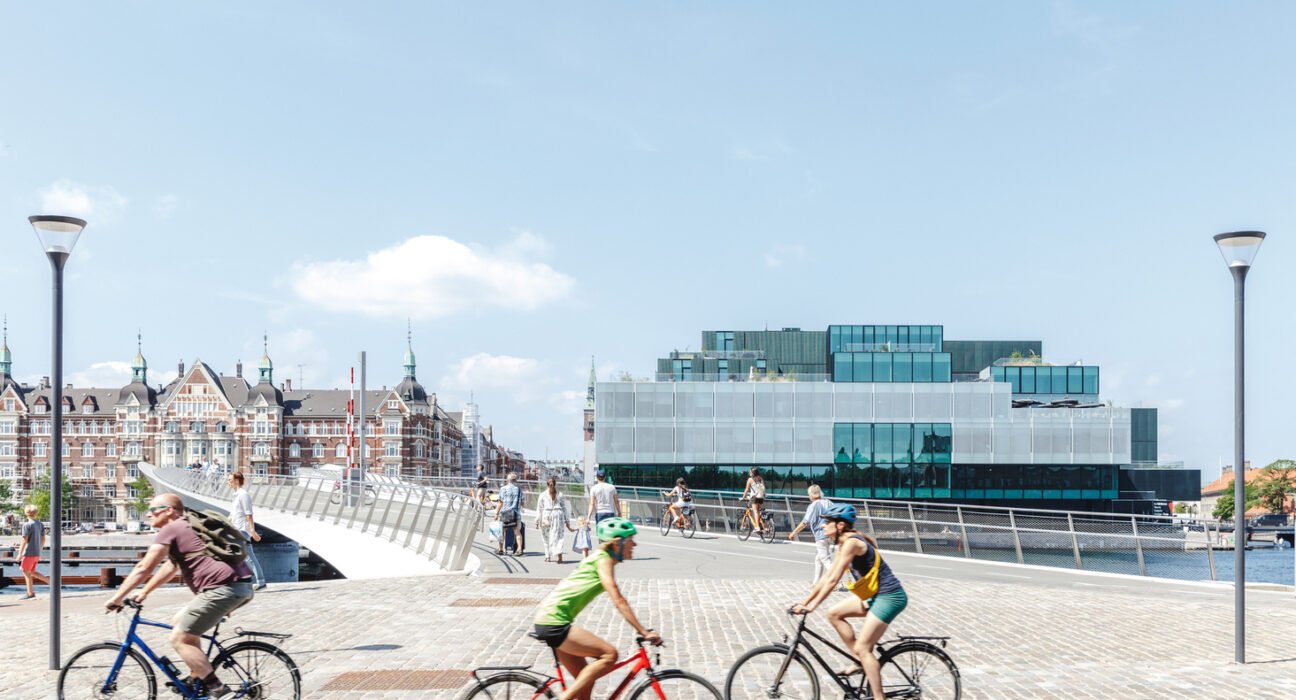
In Copenhagen, the initiative aligns naturally with the city’s long-standing reputation for human-centered planning, waterfront regeneration, bicycle infrastructure, and refined Scandinavian design. It also fits the growing demand within Luxury Architecture, Luxury Home, and Luxury Design for spaces that combine beauty with environmental responsibility.
Why Copenhagen Was a Natural Choice
Copenhagen has become synonymous with progressive urban design. Its architecture balances understated elegance with practical innovation, making it a global case study in how cities can improve quality of life through design. From pedestrian-friendly public spaces to mixed-use neighborhoods and iconic bridges, the city consistently demonstrates that sustainability and sophistication can coexist.
- Strong commitment to sustainable mobility and public infrastructure
- Globally recognized contemporary architecture and urban planning
- A design culture rooted in functionality, craftsmanship, and longevity
- Public engagement with the built environment through accessible civic spaces
This is one reason the news resonates beyond the professional design world. For homeowners, developers, and luxury consumers, Copenhagen represents a model for future-facing living—where eco-conscious choices, premium materials, and timeless aesthetics work together.
The UIA World Congress and the Theme of Sustainable Futures
A key part of this architecture news story is Copenhagen’s role as host of the UIA’s 28th World Congress. The congress, a professional gathering with roots dating back to 1948, will unfold under the theme Sustainable Futures – Leave No One Behind. That framework connects architecture directly to the United Nations’ 17 Sustainable Development Goals, emphasizing that design is not only about buildings, but also about equity, public health, climate action, and social inclusion.
The 2023 cultural agenda was expected to feature events designed to increase public awareness of sustainable architecture. That matters because some of the most important design shifts now reach beyond institutions and into everyday life, influencing how homes are built, furnished, and experienced.
What the Theme Means for Luxury Sectors
In high-end design circles, sustainability is no longer a niche concern. It is becoming a defining standard. Copenhagen’s leadership reinforces several priorities now shaping premium interiors and residences:
- Longevity over excess: Durable materials and timeless forms are replacing disposable trends.
- Wellness-driven design: Natural light, healthy materials, and adaptable layouts are central to luxury homes.
- Urban livability: Walkability, access to green space, and community integration add real value.
- Responsible craftsmanship: Locally sourced materials and quality fabrication are increasingly desirable.
That is why this piece of architecture news is especially relevant for readers interested in Luxury Decor and Luxury Home Decor. The principles celebrated on a city scale often trickle down into residential design choices, from energy-smart homes to interiors that favor artisanal finishes and sustainable furnishings.
How Copenhagen Influences Global Design Conversations
One reason this architecture news story stands out is Copenhagen’s power as a design reference point. The city has long influenced architects and interior designers worldwide through its minimalist sensibility, material restraint, and commitment to comfort without extravagance. That philosophy increasingly defines modern luxury: not louder spaces, but smarter and more meaningful ones.
Copenhagen’s designation is also a reminder that architecture shapes culture. As UIA leadership has emphasized, design affects everyday life, public values, and the way societies imagine their future. In that sense, architecture becomes both a practical tool and a cultural force.
From Public Space to Private Home
The Danish capital offers lessons that extend well beyond civic planning. Many of its strengths translate directly to private residences and luxury interiors:
- Open, flexible layouts that maximize natural light
- High-quality natural materials such as wood, stone, and tactile textiles
- Indoor-outdoor connections that elevate daily living
- Low-clutter environments that promote calm and clarity
- Design solutions that reduce waste while enhancing beauty
These ideas are increasingly visible across upscale renovations, custom homes, and curated interior schemes. For design-conscious audiences, Copenhagen is not just a destination in today’s architecture news; it is a blueprint.
A Milestone in Global Architecture News—and What Comes Next
The World Capital of Architecture designation began with Rio de Janeiro, though the pandemic forced its related World Congress into a digital format. Copenhagen’s edition therefore carried extra symbolic value, reinforcing the importance of in-person exchange around urgent urban issues. It also highlighted UNESCO and the UIA’s shared mission to promote innovation, idea-sharing, and better public policy in the built environment.
With other major cities such as Barcelona and Beijing mentioned as contenders for future editions, the program is quickly becoming one of the most important recurring developments in architecture news. It offers a high-profile platform for examining how cities can evolve while preserving identity, supporting communities, and embracing sustainable growth.
For the luxury market, that conversation is especially significant. Buyers and creators at the top end of the design spectrum are increasingly looking for homes and spaces that do more than impress visually. They want architecture that reflects values, improves everyday living, and remains relevant for decades.
Conclusion
Copenhagen’s appointment as UNESCO World Capital of Architecture 2023 is more than a headline in architecture news—it is a powerful statement about where global design is headed. By placing sustainability, inclusion, and urban quality at the center of its architectural identity, the city shows that the future of luxury is not defined by excess, but by intelligence, elegance, and purpose.
The key takeaway is clear: whether you are tracking international design trends, planning a luxury home, or refining a decor vision, Copenhagen’s example proves that the most compelling architecture of the future will be as responsible as it is beautiful.