Architecture news rarely feels as urgent as it does today. As World Architecture Day refocuses attention on housing, reuse, and the future of cities, Switzerland has emerged as a compelling lens through which to examine how high design can respond to social need, sustainability, and evolving standards of luxury living.
The latest architectural conversation is no longer just about iconic forms or prestige addresses. It is increasingly about how architects adapt existing buildings, reinterpret modernist legacies, and create resilient spaces that balance beauty with responsibility. For readers interested in luxury architecture, luxury home design, and elevated interiors, this shift matters because it is redefining what sophistication looks like in the built environment.
Architecture News and the New Definition of Luxury
Recent architecture news has highlighted a broader global concern: the housing crisis is not simply a policy issue, but a design challenge tied to dignity, inclusion, and well-being. In that context, architecture is being asked to do more than produce new buildings. It must also improve how space is reused, redistributed, and experienced.
That message is especially relevant to the world of luxury architecture. Today’s most admired properties are not defined only by scale, rare materials, or dramatic views. They are increasingly judged by:
- Environmental performance and long-term resilience
- Thoughtful adaptive reuse of existing structures
- Connection between heritage and contemporary design
- Flexible layouts that support new ways of living
- Craftsmanship that feels both refined and responsible
For the luxury homeowner or design enthusiast, this marks a major evolution. Prestige now includes cultural awareness, sustainability, and an ability to create timeless value rather than short-term spectacle.
Switzerland as a Testing Ground for Modern Architectural Ideas
Among this week’s standout architecture news themes is a renewed examination of modern architecture in Switzerland. That is significant because Switzerland has long served as a reference point for precision, restraint, and design excellence. From alpine residences to urban interventions, Swiss architecture often demonstrates how clarity of form can coexist with warmth, material richness, and technical innovation.
What makes Switzerland particularly relevant right now is its ability to revisit architectural canons without becoming trapped by them. Instead of treating modernism as a static style, designers are using it as a framework for asking fresh questions:
- How should older buildings be preserved, updated, or transformed?
- What elements of modern architecture still serve contemporary life?
- How can minimalism feel luxurious rather than austere?
- What role should local materials and craft traditions play in future homes?
These questions resonate strongly across luxury design categories, especially in custom residences and high-end renovations where clients want homes that feel both current and enduring.
Why Swiss Design Still Influences Luxury Homes
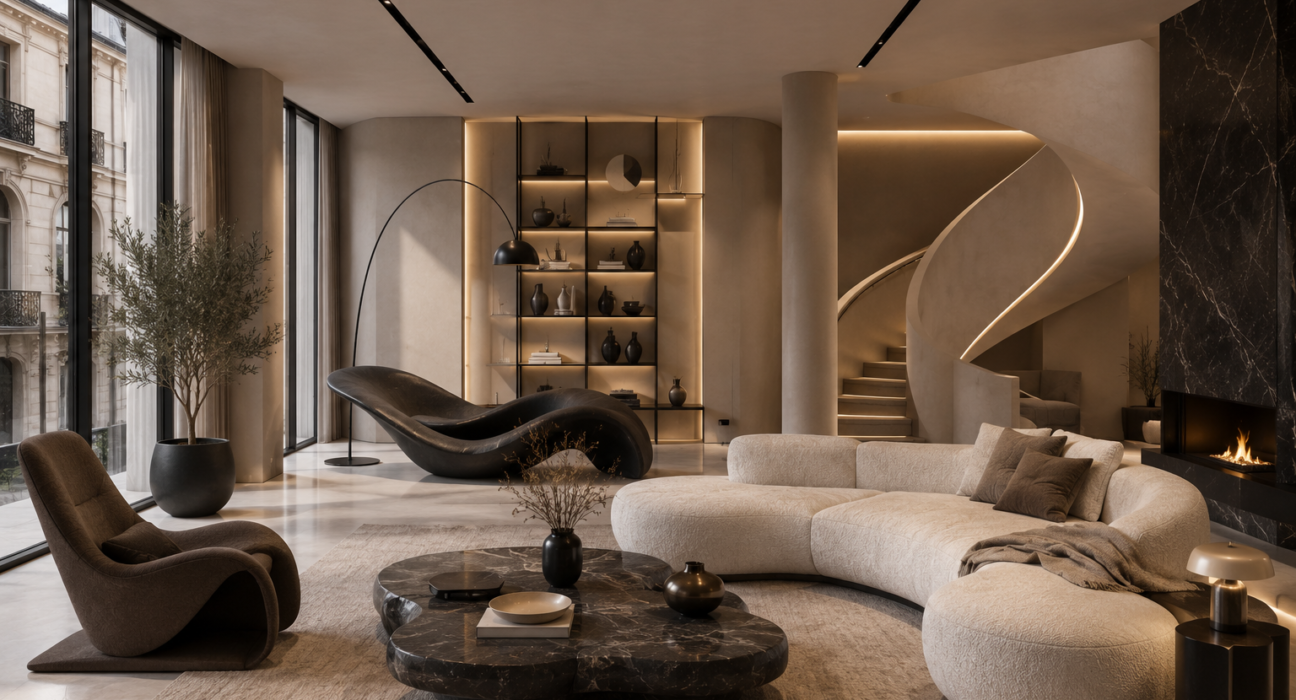
Swiss architecture continues to shape global taste because it favors proportion, light, and detail over excess. In luxury home design, that often translates into expansive glazing, tactile natural materials, carefully controlled palettes, and seamless indoor-outdoor relationships. The result is an understated elegance that feels highly curated without appearing forced.
For luxury home decor, this architectural language also informs interiors. Think sculptural stone, warm timber, bespoke millwork, and furnishings chosen for longevity rather than trend value. In other words, the home becomes an ecosystem of design decisions rooted in discipline and calm.
Reuse, Representation, and the Future of High-End Design
Another major thread in current architecture news is the intersection of reuse and representation. Reuse is no longer a compromise; in many cases, it is the most intelligent path forward. Adaptive reuse can preserve embodied carbon, maintain a site’s cultural memory, and create richly layered spaces that new construction often struggles to match.
For the luxury sector, this opens exciting possibilities. Warehouses become loft-style residences. Historic villas gain contemporary additions. Aging urban buildings are converted into mixed-use environments with hospitality, residential, and cultural functions. These transformations often deliver the uniqueness that affluent buyers and design-conscious owners seek.
Representation matters as well. Architecture shapes who feels welcomed, seen, and supported by the built environment. Even in luxury projects, the best work increasingly reflects a broader awareness of community, context, and accessibility. That does not diminish exclusivity; it refines it.
What This Means for Luxury Architecture Clients
If you are planning a high-end home, renovation, or interior concept, current architecture news suggests a few important priorities:
- Value adaptability: Spaces should support changing lifestyles, from remote work to multigenerational living.
- Invest in lasting materials: Natural stone, hardwoods, metal detailing, and artisanal finishes age better than trend-driven alternatives.
- Honor existing context: Whether urban or alpine, homes feel more luxurious when they respond to place.
- Prioritize resilience: Climate-responsive design, advanced envelopes, and durable construction are becoming essential.
- Choose timeless over flashy: Quiet confidence often outlasts visual extravagance.
Global Signals Beyond Switzerland
This cycle of architecture news also points to a wider international design shift. The start of construction on a translucent yet hurricane-resistant building in the United States reflects a growing emphasis on resilience without sacrificing visual ambition. Meanwhile, a winning mixed-use urban complex in Austria underscores the demand for density, integration, and multifunctional city life.
Together, these developments reinforce a central idea: the future of architecture lies in synthesis. Designers are no longer separating beauty, performance, and social relevance into different categories. The most influential projects combine them.
That has direct implications for luxury design. Future-forward homes and interiors will likely borrow from these larger movements by integrating sustainable systems, adaptable planning, and richer relationships between private comfort and public responsibility.
Why This Architecture News Matters Now
The best architecture news does more than report on buildings; it reveals where design culture is heading. Switzerland’s renewed dialogue around modernism, paired with the global focus on reuse and new living models, signals a more intelligent era for luxury architecture.
For homeowners, architects, and design lovers, the takeaway is clear: true luxury is becoming more thoughtful. It is found in spaces that respect history, use resources wisely, embrace innovation, and create lasting emotional value. In that sense, today’s architecture news is not just about structures under discussion. It is about a new standard for how we want to live.
As this architecture news cycle shows, the future of luxury architecture will belong to projects that are elegant, resilient, and deeply connected to their context. That is the kind of design that will endure.