
Architecture news rarely feels as immediately relevant as a global liveability ranking, because the way a city is designed shapes how people actually live every day. The latest 2026 Global Liveability Index shows that urban quality is not just about skyline appeal or luxury real estate—it is about stability, healthcare, education, infrastructure, and the broader cultural environment that turns a city into a desirable place to call home.
In the newest results, Copenhagen holds the top position for the second year in a row, while several Asian cities continue to climb. For readers interested in luxury architecture, luxury home trends, and high-end urban living, the rankings offer a revealing snapshot of where design excellence meets quality of life.
Architecture News Highlights From the 2026 Liveability Ranking
The Economist Intelligence Unit evaluated 173 cities across five core categories:
- Stability
- Healthcare
- Culture and environment
- Education
- Infrastructure
Copenhagen achieved the highest overall score at 98 out of 100, with perfect marks in stability, education, and infrastructure. That combination is particularly meaningful in architecture news, because it reinforces a truth designers and developers have long understood: great cities are built on systems, not just signature buildings.
The global average liveability score remained at 76.1. While healthcare, education, and infrastructure improved in many places, ongoing declines in stability prevented a stronger overall rise. This tension defines much of today’s urban conversation, especially for those tracking luxury design and premium residential investment.
Why Copenhagen Continues to Lead the World
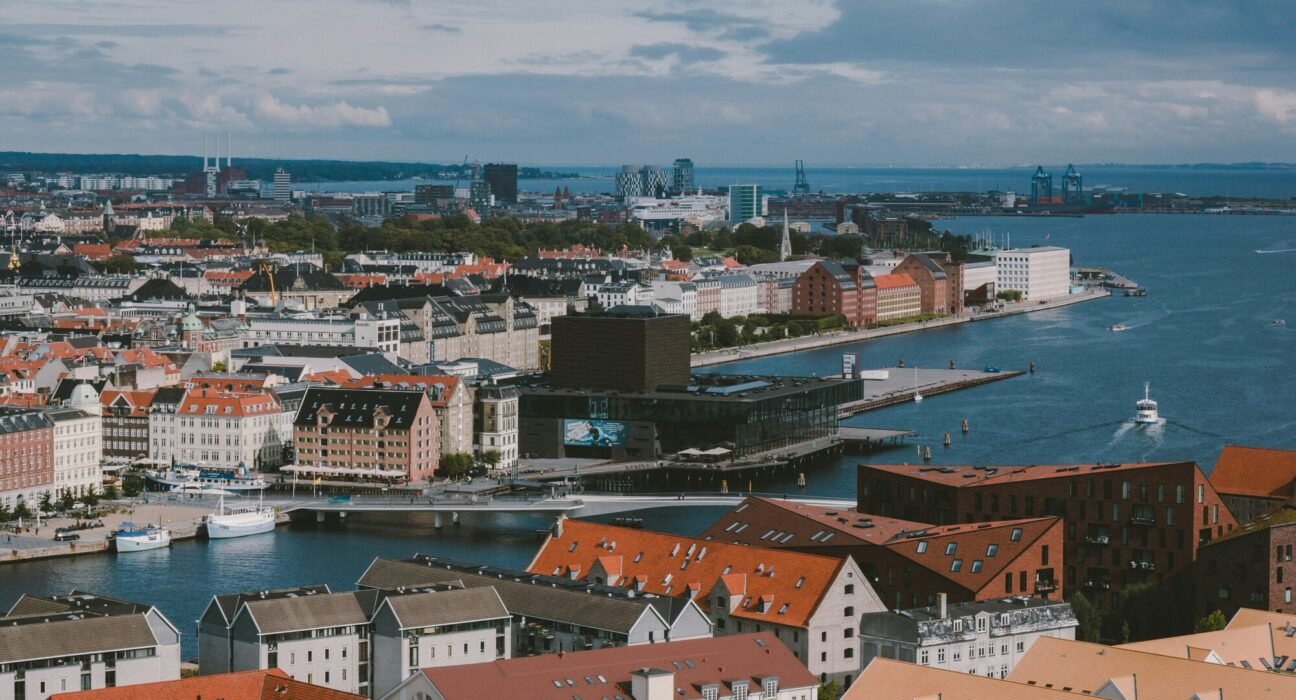
Copenhagen’s top placement is no accident. The Danish capital has become a benchmark for human-centered urbanism, where infrastructure, mobility, public space, and environmental planning work together seamlessly. In the context of architecture news, Copenhagen stands out not only for design sophistication but also for how that design supports daily life.
What makes Copenhagen so liveable?
- Highly reliable public infrastructure
- Strong educational systems
- Exceptional stability and civic trust
- Walkable, bike-friendly urban planning
- A balanced relationship between historic character and contemporary architecture
For the luxury home market, that kind of urban environment adds lasting value. Buyers at the top end increasingly seek more than beautiful interiors—they want access to healthy, efficient, aesthetically coherent neighborhoods. Copenhagen delivers exactly that.
The Top 10 Most Liveable Cities in 2026
The 2026 ranking reflects a familiar mix of European, Australian, Canadian, and Japanese cities. Here are the top ten:
- Copenhagen, Denmark
- Vienna, Austria
- Melbourne, Australia
- Sydney, Australia
- Zurich, Switzerland
- Geneva, Switzerland
- Osaka, Japan
- Adelaide, Australia
- Vancouver, Canada
- Tokyo, Japan
From an architecture news perspective, this list is especially notable because these cities share several common traits. They tend to invest consistently in transport, public amenities, healthcare access, and resilient urban planning. They also maintain strong design standards, something that influences everything from luxury decor culture to residential development and mixed-use districts.
Asia’s Rise Is One of the Biggest Stories This Year
If there is one major shift in this year’s architecture news, it is Asia’s growing momentum. The region recorded the largest overall improvement, rising to an average score of 73.9. Nine Asian cities now sit within the top 20, signaling a broader regional transformation.
Chinese cities in particular benefited from stronger healthcare scores after increased public investment. Fuzhou posted one of the biggest jumps, climbing seven places to 93rd. Tokyo also moved up, reaching 10th place and reinforcing Japan’s longstanding reputation for orderly, efficient, design-conscious urban life.
Why Asia’s progress matters
For luxury architecture and luxury design audiences, Asia’s rise points to several trends:
- Growing public investment in urban systems
- Higher expectations for wellness-oriented city living
- More competitive global markets for luxury residential development
- Greater emphasis on integrated infrastructure and public services
In other words, the region’s progress is not only statistical—it may shape future demand in luxury home decor, premium real estate, and city-based design innovation.
Where Liveability Is Falling Behind
Not all cities moved upward. One of the clearest takeaways from this year’s architecture news cycle is that stability remains the weakest category globally. Across all 173 cities, average stability scores declined by 0.5 points.
The most significant deterioration occurred in Southwest Asia and North Africa, where the regional average dropped by one full point. Muscat and Kuwait City saw major declines in rank, while Tehran entered the bottom ten. Damascus remained the least liveable city in the world, followed by Tripoli.
The bottom ten cities in the ranking are:
- Tehran, Iran
- Harare, Zimbabwe
- Kyiv, Ukraine
- Port Moresby, Papua New Guinea
- Lagos, Nigeria
- Algiers, Algeria
- Karachi, Pakistan
- Dhaka, Bangladesh
- Tripoli, Libya
- Damascus, Syria
These results are a reminder that architecture alone cannot solve every urban challenge. Design can improve resilience and livability, but long-term quality of life also depends on political stability, public safety, and institutional strength.
What This Means for Luxury Architecture and Design
For those following architecture news through the lens of luxury living, the 2026 rankings underline an important shift: prestige is increasingly tied to performance. A city’s desirability today depends not just on iconic towers or waterfront penthouses, but on the everyday systems that support comfort, health, and convenience.
This has direct implications for luxury sectors:
- Luxury architecture: Demand will favor projects connected to transit, green space, and strong civic infrastructure.
- Luxury home: Buyers may prioritize cities with proven long-term stability and high-quality public services.
- Luxury decor and luxury home decor: Interior trends will continue reflecting wellness, calm, sustainability, and functional elegance inspired by top liveability markets.
- Luxury design: Developers and brands will increasingly market lifestyle ecosystems, not just standalone properties.
That is why this ranking matters beyond headline value. It offers a practical view of where thoughtful planning and elevated living standards are aligned.
Conclusion: Liveability Is Becoming the New Luxury
The biggest lesson from this year’s architecture news is simple: the world’s most desirable cities are the ones that make daily life easier, safer, healthier, and more beautiful. Copenhagen’s continued lead proves that infrastructure, stability, and design excellence remain a powerful combination, while Asia’s rise suggests the global map of urban opportunity is evolving fast.
For investors, homeowners, architects, and design enthusiasts alike, the 2026 liveability results confirm that true luxury is no longer only about exclusivity. It is about access to a city that works. And in that sense, liveability may be the most important architecture story of all.