

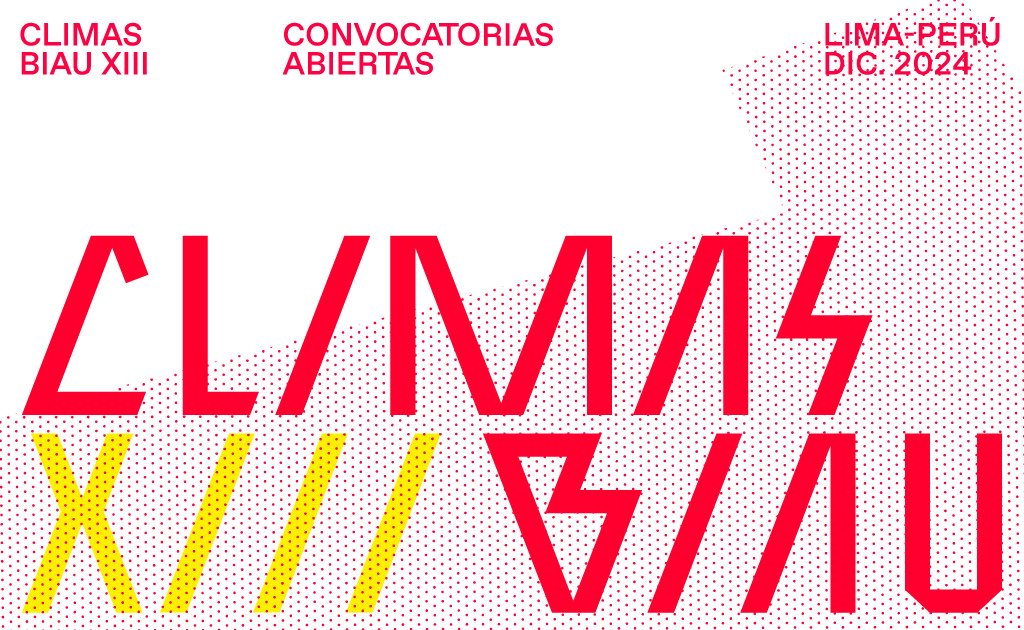
Architecture news rarely captures a shift in values as clearly as the latest call from the Ibero-American Biennial of Architecture and Urbanism. The XIII BIAU, set to take place in Lima in early December 2024, is inviting projects under the theme “Climates: Actions for Better Living”, placing climate, equity, and livability at the center of contemporary design conversations.
For architects, urbanists, developers, and design observers across the luxury and high-end residential sectors, the announcement is more than a calendar item. It signals where architectural excellence is heading: toward sustainable, socially responsive, and territorially aware solutions that can elevate quality of life while redefining what premium design means in a climate-challenged world.
Architecture News: What the XIII BIAU 2024 Call Is About
This major piece of architecture news confirms that the XIII edition of the BIAU will be hosted in Lima, Peru, a fitting setting for a biennial centered on extreme climate conditions and their impact on the built environment. The event will convene in early December 2024, while project submissions will remain open until September across six categories. Jury decisions are expected to be announced together in late October 2024.
The central theme, “Climates: Actions for Better Living”, encourages the profession to move beyond theory and into practical responses. Rather than treating climate as a background issue, the biennial is framing it as a core design condition that shapes architecture, urbanism, infrastructure, public space, and housing at every scale.
That makes this architecture news especially relevant to professionals working in luxury architecture and luxury home design, where resilience, wellness, and environmental performance are increasingly becoming markers of true quality.
Why Lima Is a Strategic Host City
Lima offers a compelling backdrop for this edition of the biennial. As a major Latin American capital shaped by complex environmental, social, and urban pressures, the city represents many of the tensions the BIAU seeks to address. From water scarcity and coastal conditions to rapid urban growth and inequality, Lima embodies the real-world context in which climate-responsive design must operate.
In the context of architecture news, the choice of host city matters because it grounds the event in lived realities. It also reinforces an important message: the future of design is not only about iconic form, but also about adaptability, fairness, and the capacity to create better daily life through space.
What Kind of Projects the Biennial Wants to Recognize
The XIII BIAU aims to spotlight architecture and urbanism projects of different scales that respond to today’s societal challenges and can serve as regional references. According to the call, special value will be placed on proposals that generate a positive territorial impact through innovation and improvement in key areas such as:
- Infrastructure
- Public space
- Social integration
- Community mobilization
- Environmental sustainability
This is the kind of architecture news that reveals a broader evolution in design awards. Recognition is no longer reserved solely for visual originality or prestige-driven buildings. Instead, the emphasis is shifting toward solutions that make places more habitable, equitable, and durable under conditions of crisis.
From Design Object to Social Impact
One of the most important dimensions of the call is its focus on projects that respond to crisis while supporting coexistence in equity. In other words, architecture is being judged not only by what it looks like, but by what it enables. Can it improve everyday life? Can it support communities? Can it reduce environmental pressure while preserving dignity and comfort?
That framing is highly relevant for luxury sectors as well. Today’s luxury home and luxury decor audiences are increasingly aligned with values like wellbeing, natural performance, longevity, and thoughtful materiality. Premium design that ignores environmental and social context now feels incomplete.
Why This Matters for Luxury Architecture and High-End Design
At first glance, a regional architecture biennial may seem distant from luxury interiors or exclusive residences. But this architecture news highlights several priorities that are rapidly shaping the upper end of the market.
Key takeaways for luxury architecture and luxury home decor include:
- Climate responsiveness is becoming a design expectation. Passive cooling, solar control, water-sensitive planning, and resilient landscaping are now integral to sophisticated residential design.
- Wellness is tied to environmental intelligence. Better living increasingly means thermal comfort, air quality, daylight balance, and meaningful connection to outdoor space.
- Social and territorial awareness add value. Homes and developments that respect local ecosystems, craft traditions, and urban context carry greater cultural relevance.
- Sustainability and beauty are no longer separate goals. The most compelling luxury design integrates elegance with performance, responsibility, and longevity.
Seen through this lens, the BIAU’s call is not just institutional architecture news. It is a signal of what clients, juries, and design leaders will increasingly reward.
The Growing Importance of Climate-Centered Urbanism
The biennial’s use of the word “climates” in plural is especially telling. It suggests that there is no single environmental condition or universal solution. Different territories face different combinations of heat, drought, flooding, informality, resource scarcity, and social vulnerability. Architecture and urbanism must respond with nuance.
This point expands the significance of the architecture news beyond one event. Across the Ibero-American region and globally, urban planning and building design are being reevaluated through the lens of adaptation. Public spaces must perform better. Infrastructure must be more inclusive. Housing must be more resilient. And design excellence must account for all of it.
A Regional Platform with Global Relevance
Although BIAU is rooted in the Ibero-American context, the issues it addresses are global. Climate volatility, housing pressure, social fragmentation, and ecological stress are affecting cities worldwide. As a result, the projects highlighted by this edition may offer transferable lessons for architects, interior designers, and developers far beyond the region.
For readers who follow architecture news as a guide to emerging standards, this biennial is worth watching closely. It promises not just celebrated projects, but new benchmarks for how architecture can support a more just and sustainable future.
Submission Timeline and What to Watch Next
Professionals interested in the XIII BIAU should keep these milestones in mind:
- Event location: Lima, Peru
- Biennial dates: Early December 2024
- Submission deadline: September 2024, depending on category
- Categories: Six project categories
- Jury results: Late October 2024
As more details emerge, this architecture news story will likely gain momentum among firms and studios looking to position their work within the broader conversation on climate action, urban innovation, and better living.
In a design culture increasingly defined by resilience and responsibility, the XIII BIAU stands out as a timely reminder that great architecture is not only about aesthetics or status. The clearest takeaway from this architecture news is that the future belongs to projects capable of combining beauty, sustainability, and social purpose in equal measure.



