
Luxury design thrives on a sense of permanence, beauty and public confidence—but those ideals can unravel in an instant when violence strikes civic life. The Damascus cafe bombing, which killed 10 people and wounded 21 near the Syrian capital’s main judicial complex, is a stark reminder that even the most culturally rich urban environments cannot sustain design-led renewal without security, stability and trust.
At first glance, a news story about an attack in Damascus may seem distant from the worlds of luxury brands, luxury decor and luxury design. Yet the relationship is closer than it appears. High-end hospitality, sophisticated cafe culture, premium retail districts and heritage-led interiors all depend on one essential condition: people must feel safe enough to gather, linger and invest in public space.
Why the Damascus Cafe Bombing Matters Beyond Headlines
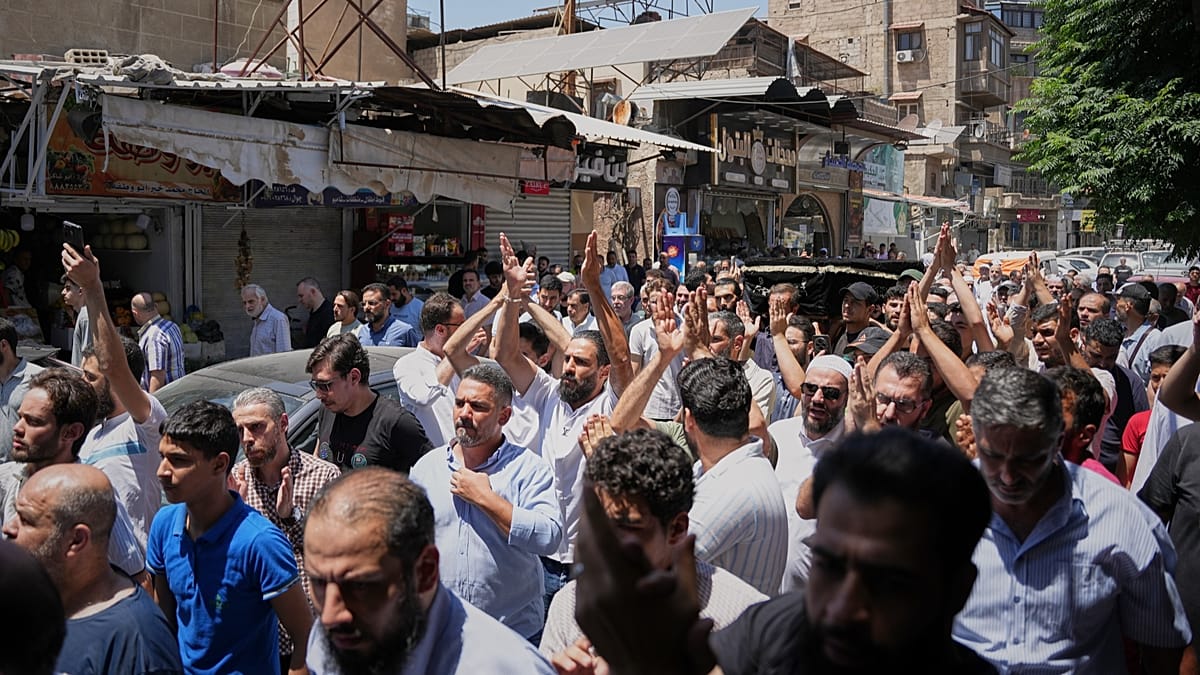
According to reports, mourners moved through Damascus a day after the blast, burying victims as officials pledged justice. The explosion struck a popular cafe in the Midan neighbourhood, an area known for daily commerce and social activity. No group has claimed responsibility, and authorities have not yet announced investigative breakthroughs.
The Damascus cafe bombing is not only a human tragedy; it also underscores how fragile urban recovery can be in post-conflict settings. Cafes, boutiques, lounges and mixed-use social spaces often serve as early symbols of resilience. When such places are attacked, the damage is both immediate and symbolic:
- Lives are lost or permanently changed
- Consumer confidence drops sharply
- Investors hesitate to fund design-forward projects
- Neighborhood identity suffers
- Hospitality and retail ecosystems weaken
For sectors tied to luxury experiences, these effects are especially pronounced. Premium spaces rely on emotional cues—comfort, exclusivity, leisure and aesthetic pleasure. Violence interrupts all of them.
Luxury Design Depends on Safe, Social Environments
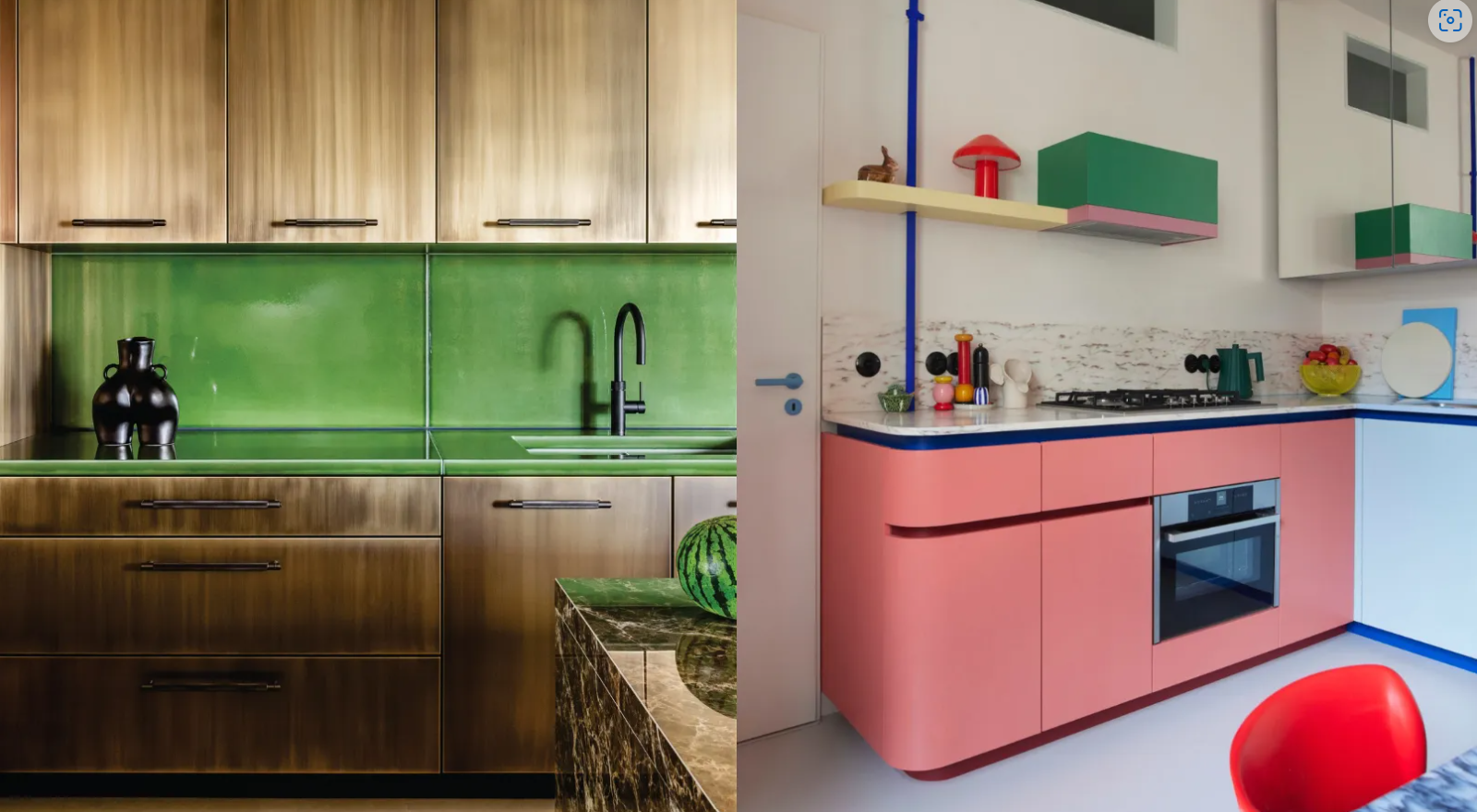
The Damascus cafe bombing highlights a reality often overlooked in design conversations: luxury is not created by materials alone. Marble counters, bespoke lighting, artisanal woodwork and elegant seating mean little if a city’s public realm is overshadowed by insecurity.
In many cities emerging from crisis, cafes and hospitality venues play a central role in restoring normalcy. They are where business deals happen, where families reconnect and where a city begins to reintroduce beauty into daily life. In that sense, luxury design is not merely decorative—it is part of social rebuilding.
The role of cafes in urban identity
Cafes are often among the first places where design, commerce and culture meet. A well-designed cafe can act as:
- A social anchor for the neighborhood
- A showcase for local craftsmanship and decor
- An informal meeting point for professionals and creatives
- A signal that foot traffic and civic life are returning
When an attack targets such a space, it does more than destroy property. It attacks the idea of everyday normal life.
What luxury brands can learn
Luxury brands looking at expansion in historically significant or recovering markets should think beyond storefront aesthetics. Risk, governance and community resilience matter just as much as architecture or interior styling. The most future-proof luxury design strategies now include:
- Security-conscious spatial planning
- Flexible layouts that protect circulation and exits
- Partnerships with trusted local operators
- Sensitivity to social and political context
- Investment in community trust, not just visual prestige
Heritage, Elegance and Instability in Damascus
Damascus remains one of the world’s most historically layered cities, with a deep visual language shaped by stonework, courtyards, intricate ornament and centuries of trade. For luxury decor and design observers, it represents a powerful example of how heritage can inspire contemporary interiors and hospitality concepts.
But the Damascus cafe bombing reveals the tension between aesthetic heritage and current instability. Syria’s new rulers, who came to power after the December 2024 ousting of Bashar al-Assad, are still struggling to consolidate control and contain extremist violence. Reports of additional attacks, including one on a checkpoint in Jaramana and previous assaults blamed on the Islamic State group, reinforce the volatility.
For anyone tracking luxury development, boutique hospitality or design-led regeneration in the region, the lesson is clear: architecture and decor cannot be separated from the broader civic environment.
What This Means for Luxury Decor and Hospitality
The Damascus cafe bombing also offers a broader warning for luxury decor and hospitality sectors worldwide. Beautiful interiors are not enough to sustain a destination. Guests and residents increasingly evaluate spaces through a wider lens that includes safety, stability, service continuity and emotional comfort.
Key implications for designers and operators
- Design must anticipate disruption: Resilient materials, clear pathways and discreet security integration are becoming more important.
- Local context matters: Global luxury formulas do not work everywhere without adaptation.
- Atmosphere is strategic: Calm, privacy and spatial confidence are now part of the premium experience.
- Cultural authenticity remains vital: Heritage-inspired luxury still resonates, but only when paired with operational credibility.
In this environment, the future of luxury design is increasingly defined by resilience as much as refinement. The most successful high-end spaces will be those that balance elegance with practical stewardship.
A Human Tragedy at the Center of the Story
Any discussion of urban renewal, luxury brands or design strategy must begin with the victims. Reports from Damascus described funeral processions for those killed, including people caught in ordinary daily routines near the cafe. Families are grieving while authorities promise accountability, though responsibility for the attack remains unclear.
That human reality is the core of the Damascus cafe bombing story. Public spaces matter because people matter. Design matters because it shapes how people live, meet and heal. When violence enters those spaces, it leaves a scar that no aesthetic intervention can quickly erase.
Conclusion: The Damascus Cafe Bombing Shows Why Beauty Needs Stability
The Damascus cafe bombing is a devastating reminder that luxury design, luxury decor and premium urban experiences depend on more than visual excellence. They require security, civic trust and functioning public life. For designers, developers and luxury brands, the takeaway is unmistakable: true sophistication is not just about creating beautiful spaces, but about supporting environments where people can safely inhabit them. Without that foundation, even the most elegant vision remains fragile.