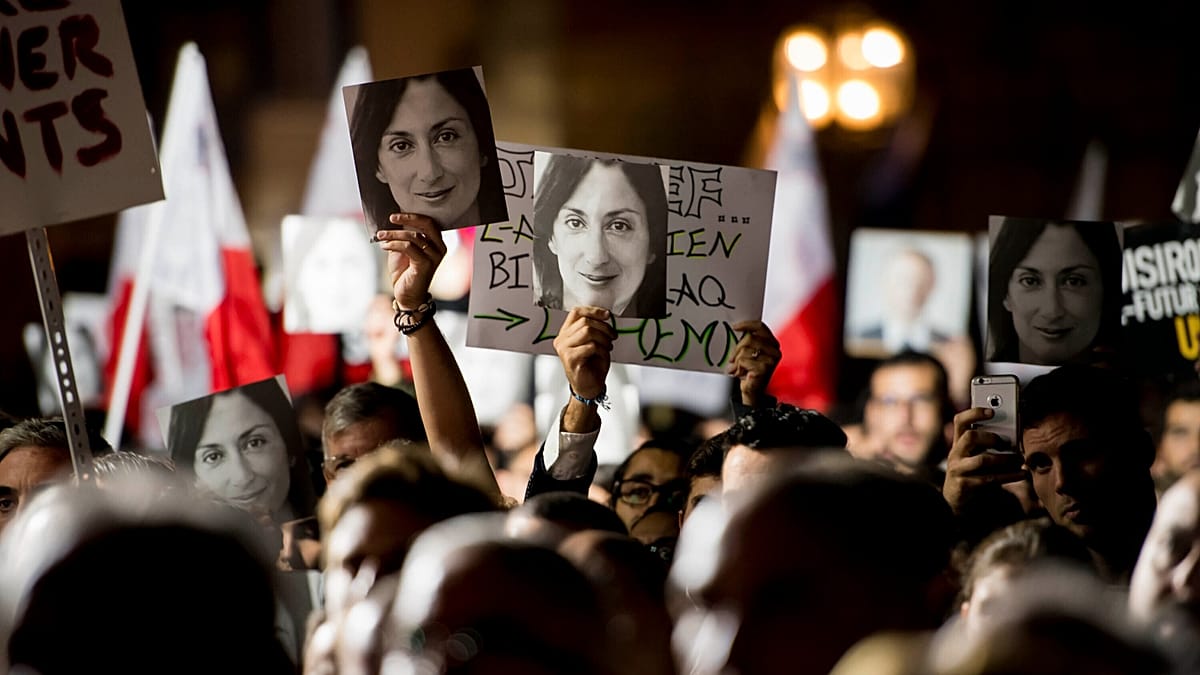
The Daphne Caruana Galizia trial is once again forcing Europe to confront an uncomfortable truth: luxury, influence and elite status can mask deeper systems of corruption. As proceedings unfold in Malta, the case is drawing renewed attention not only to the 2017 murder of the investigative journalist, but also to the culture of power, wealth and prestige that surrounded the figures she investigated.
For readers interested in luxury brands, luxury decor and luxury design, this is not a style story in the conventional sense. Yet it is a powerful reminder that the world of high-end business and elite social circles depends on one fragile asset above all else: trust.
The Daphne Caruana Galizia Trial and Why It Matters
The Daphne Caruana Galizia trial centers on allegations that businessman Yorgen Fenech masterminded the killing of the Maltese journalist in 2017. Prosecutors allege that a chain of intermediaries, cash payments and coded communications led to the assassination, which was ultimately carried out with a car bomb near her home.
Fenech has denied the charges. But the opening of the trial is significant because it revisits one of the most consequential press freedom cases in modern Europe. Caruana Galizia was widely known for exposing corruption at the highest levels of Maltese political and business life, documenting relationships between money, influence and state power.
According to reports from court proceedings, prosecutors described an alleged arrangement involving:
- A €150,000 payment to those accused of carrying out the murder
- Use of intermediaries to distance the alleged mastermind from the crime
- A coded text message used to trigger the explosive device
- Earlier plans that reportedly included other methods before the car bomb was chosen
The Daphne Caruana Galizia trial is expected to continue for several weeks, and its outcome could shape Malta’s international standing for years.
When Luxury Image Meets Political Reality
Malta is often marketed through an aspirational lens: superyachts, restored palazzos, waterfront real estate and Mediterranean elegance. This polished image aligns naturally with luxury travel, luxury design and high-net-worth investment. But the Daphne Caruana Galizia trial reveals the tension between a premium national brand and the integrity of the institutions beneath it.
In luxury markets, perception is everything. Whether the subject is a heritage fashion house, a boutique hotel or a bespoke interiors studio, reputation can take decades to build and moments to damage. The same principle applies to countries that court affluent investors, global entrepreneurs and design-led tourism.
When allegations of corruption, political protection and violence dominate headlines, the impact extends beyond courtroom walls. It reaches:
- Investor confidence — affluent buyers and international firms prefer stable, transparent environments.
- Brand partnerships — luxury brands are increasingly careful about the reputational ecosystems they enter.
- Tourism positioning — premium destinations rely on safety, prestige and credibility.
- Cultural capital — design, architecture and lifestyle scenes flourish best where institutions are trusted.
The Cost of Silence in Elite Circles
One reason the Daphne Caruana Galizia trial resonates so widely is that it goes beyond one criminal case. It raises broader questions about what happens when powerful networks become insulated from scrutiny.
Caruana Galizia had reported extensively on alleged links between Malta’s political leadership and business elites. Her work challenged the closed-door culture that can develop where wealth, influence and access overlap. In many luxury-adjacent sectors — from real estate to energy-backed development — opacity can be mistaken for exclusivity. But secrecy is not sophistication.
For modern luxury audiences, values now matter almost as much as aesthetics. Today’s affluent consumers increasingly care about:
- Corporate governance
- Ethical sourcing and transparent ownership
- Political neutrality and accountability
- Social responsibility and institutional trust
That shift is crucial. The Daphne Caruana Galizia trial underscores why prestige without accountability is ultimately unstable.
What This Means for Luxury Brands and Design-Led Businesses
At first glance, a murder trial may seem distant from luxury decor or luxury design. In reality, the connection lies in the business environment that surrounds premium commerce. High-end brands do not operate in a vacuum; they thrive in ecosystems defined by law, transparency and confidence.
Reputation is now a strategic asset
Luxury brands have always sold more than products. They sell heritage, discernment and credibility. If a market becomes associated with scandal or institutional weakness, every business operating within that landscape faces higher reputational risk.
Design thrives where trust exists
Luxury design depends on long timelines, large investments and close client relationships. From residential architecture to collectible furniture, clients want assurance that contracts, regulations and partnerships are secure.
Wealth no longer guarantees immunity from scrutiny
The Daphne Caruana Galizia trial is also a reminder that public expectations have changed. Tycoons, political insiders and elite operators are no longer shielded in the way they once were. Journalists, civil society groups and global audiences are paying closer attention.
A Defining Test for Malta’s Global Reputation
The killing of Daphne Caruana Galizia prompted international outrage and contributed to a political crisis that culminated in the resignation of then-prime minister Joseph Muscat in 2020. Nearly a decade later, the Daphne Caruana Galizia trial has become a defining test of whether Malta can demonstrate accountability through its justice system.
That matters for far more than politics. Nations that aspire to attract luxury investment, design talent and international capital must offer more than beautiful settings and elite networks. They must show that the rule of law functions even when prominent names are involved.
For businesses in luxury sectors, the lesson is clear:
- Image cannot permanently outpace integrity
- Prestige collapses when institutions lose credibility
- Transparency is now part of premium value
Conclusion
The Daphne Caruana Galizia trial is not only a legal reckoning over a horrific crime. It is a wider examination of how wealth, power and public accountability intersect in modern Europe. For luxury brands, luxury decor and luxury design businesses, the message is unmistakable: true prestige is built not just on beauty or exclusivity, but on trust, transparency and the courage to face scrutiny.
As the Daphne Caruana Galizia trial continues, Malta faces a pivotal moment. The world will be watching to see whether justice can strengthen the very foundation that every premium market depends on — credibility.