
Fresh EU sanctions on Russian drone makers are set to sharpen Europe’s response to Moscow after a deadly wave of strikes on Kyiv. While the move comes from the world of geopolitics and security policy, it also reflects a wider European priority that resonates across luxury brands, luxury decor, and luxury design: protecting stability, supply chains, and the values that shape premium markets.
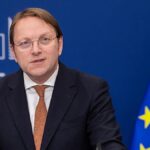
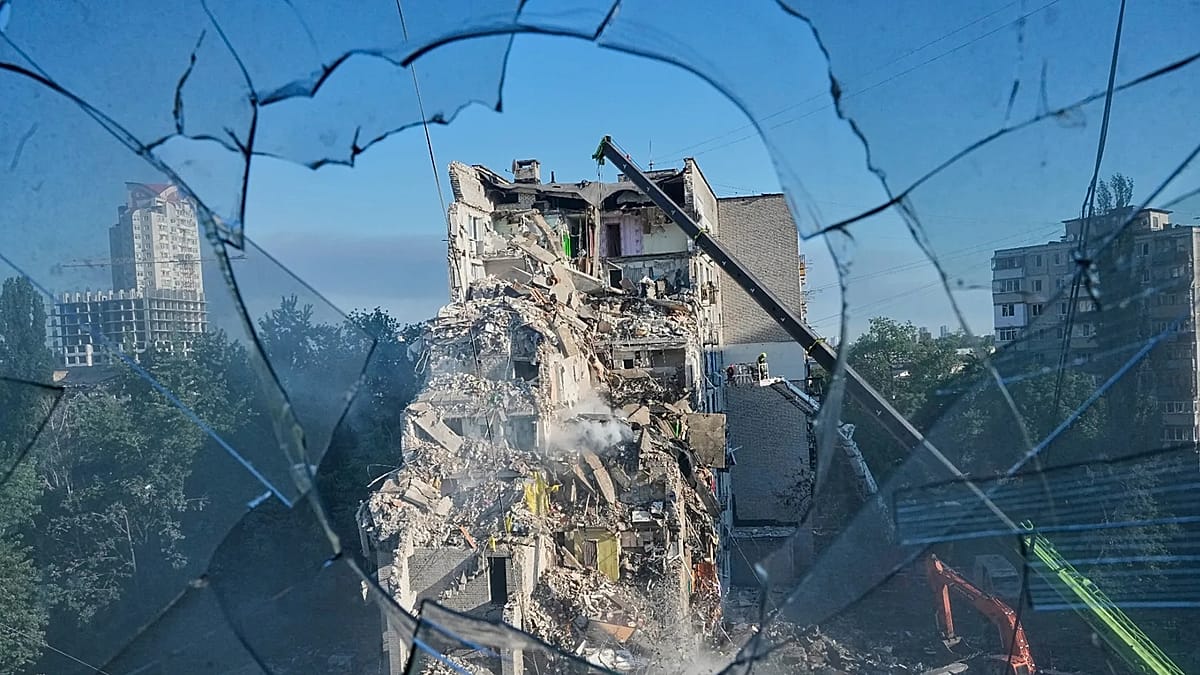
Announced by EU foreign policy chief Kaja Kallas, the latest measures are designed to hit Russia’s military-industrial complex more quickly and more directly. The decision follows large-scale overnight attacks on Kyiv that reportedly killed at least 13 people and injured dozens, prompting renewed calls for stronger action from European leaders.
EU sanctions on Russian drone makers after the Kyiv strikes
The new EU sanctions on Russian drone makers will reportedly focus on entities linked to the production and development of components used in Shahed- and Geran-type unmanned aerial vehicles. According to the reported plan, five entities and one individual are under consideration for listings tied to Russia’s drone capability.
Rather than waiting for the next full sanctions package, the European Union is using a faster, rolling approach. This matters because traditional sanctions rounds can be slowed by negotiations among member states. By listing targets separately, Brussels can react more rapidly to battlefield developments and attacks on civilians.
Key elements of the proposed action include:
- Targeting firms connected to drone component manufacturing
- Focusing on Russia’s military-industrial support network
- Adding listings outside the broader 21st sanctions package
- Using a rolling mechanism to accelerate implementation
- Keeping pressure on Moscow in response to attacks on civilian areas
This procedural shift may prove as significant as the sanctions themselves. It suggests the EU wants more agility in its foreign policy toolkit, especially when responding to fast-moving security events.
Why the EU is changing its sanctions strategy
The decision to separate these listings from the wider sanctions package appears to be practical as much as political. The 21st package is still under discussion among European governments and is expected later in July. Folding urgent listings into that process could delay enforcement and trigger technical complications related to renewal timelines.
By contrast, a rolling sanctions model gives the bloc room to respond in near real time. For policymakers, this is about maintaining pressure. For businesses and market watchers, it is another reminder that the regulatory environment in Europe can shift quickly when conflict escalates.
What Kaja Kallas said
Kaja Kallas signaled that more pressure is necessary as Russian strikes intensify. Her position is clear: condemnations alone are not enough, and financial, industrial, and logistical costs must continue rising for those supporting military aggression.
That message fits with a broader EU trend. Sanctions are no longer seen only as symbolic diplomacy; they are increasingly structured as dynamic economic tools aimed at specific sectors, technologies, and supply chains.
What EU sanctions on Russian drone makers could mean beyond defense
Although EU sanctions on Russian drone makers are centered on security, their effects may ripple into adjacent European industries. Luxury brands, luxury decor, and luxury design are not directly tied to drone manufacturing, but they do operate in a market shaped by energy prices, transport routes, investor confidence, and broader geopolitical risk.
When sanctions expand, several business consequences often follow:
- Supply chain caution: Companies intensify due diligence on vendors, component origins, and logistics partners.
- Compliance costs: Cross-border businesses may need updated legal screening and procurement checks.
- Market sentiment shifts: Heightened conflict can affect consumer confidence and luxury spending patterns.
- Brand positioning: Premium European brands may increasingly emphasize ethics, transparency, and resilience.
For luxury design houses and high-end interiors brands, the lesson is less about direct exposure and more about operating in a Europe where political decisions can influence sourcing, timing, and international expansion. In premium sectors, reputation and stability are part of the product experience, making geopolitical awareness a strategic necessity.
The wider context: Russia, Ukraine, and Europe’s response
The latest action follows warnings from Ukraine’s air force that ballistic missiles were heading toward Kyiv. Ukrainian President Volodymyr Zelenskyy reportedly cut short a visit to Dublin after intelligence pointed to an imminent strike. In that context, the EU sanctions on Russian drone makers are intended as a direct answer to attacks that European officials say target civilians and urban infrastructure.
The timing also matters diplomatically. EU ambassadors have already received the proposed listings, with further discussions expected ahead of the Foreign Affairs Council in mid-July. That means the coming days could shape not only the immediate sanctions outcome but also the tone of Europe’s next broader package against Russia.
A more flexible sanctions era
If adopted, this method could mark a new phase in EU sanctions policy. Instead of bundling every measure into large, infrequent packages, Brussels may increasingly rely on modular actions that can be deployed faster. That would give Europe a more responsive way to target manufacturers, intermediaries, and technology channels linked to military escalation.
For observers across business, design, and finance, that is an important development. It points to a future in which regulation is more adaptive and where strategic sectors are monitored with greater intensity.
Conclusion: why EU sanctions on Russian drone makers matter
The new EU sanctions on Russian drone makers are about more than punishing a narrow group of firms. They signal that Europe wants faster, more targeted tools to respond when attacks on civilians intensify. As the war in Ukraine continues, these measures show the EU is trying to raise the cost for those enabling drone warfare while refining how sanctions are deployed.
For readers in luxury brands, luxury decor, and luxury design, the takeaway is straightforward: geopolitical policy increasingly shapes the commercial climate in which premium businesses operate. The EU sanctions on Russian drone makers are another sign that resilience, compliance, and strategic awareness now matter far beyond the defense sector.