

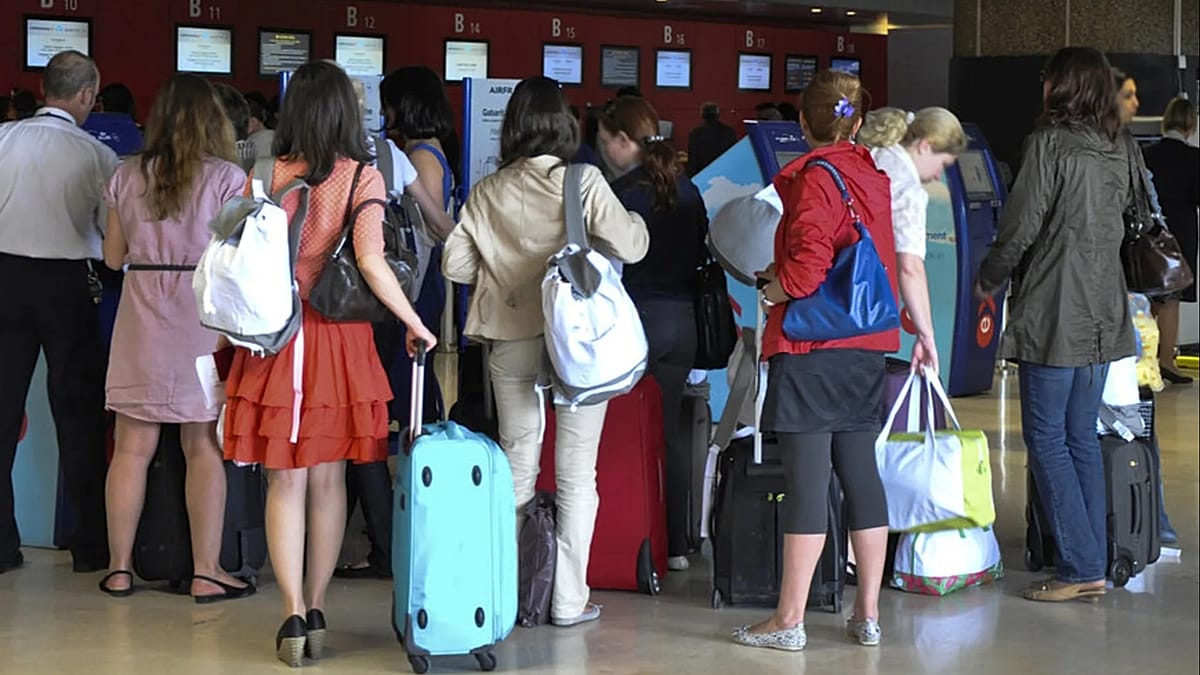
Europe’s new border technology was supposed to streamline arrivals, but for many passengers it is doing the opposite. The Entry/Exit System is now creating long airport queues, missed connections, and growing frustration just as Europe’s peak summer season begins—a serious concern for luxury travellers who value seamless, high-touch journeys.
While the policy is aimed at improving border security and replacing passport stamps with digital records, its rollout is exposing operational weaknesses at airports across the Schengen Area. For travellers heading to luxury resorts, design-led city breaks, or elite shopping destinations, understanding how the Entry/Exit System works has quickly become essential.
What Is the Entry/Exit System?
The Entry/Exit System, often shortened to EES, is a digital border management platform used across the Schengen Area’s external borders. Instead of relying on traditional passport stamps, the system records entries and exits electronically for non-EU and non-Schengen nationals travelling for short stays.
It collects:
- Passport and travel document data
- Facial image biometrics
- Fingerprint data
- The date and place of entry and exit
The system applies to short stays of up to 90 days within any 180-day period. It covers tourism, business travel, and family visits. Even visitors from visa-exempt countries such as the UK, US, and Australia are still subject to the Entry/Exit System when entering participating countries.
EU and Schengen citizens are exempt, as are some other categories including certain residence permit holders and transport crew on international routes.
Why Europe Introduced the Entry/Exit System
From a policy standpoint, the Entry/Exit System is designed to serve two goals: stronger security and more efficient border control. European authorities want a more accurate way to monitor who enters and leaves the Schengen Area, particularly to detect overstays, identity fraud, and potential security threats.
Officials also argue that digital records should eventually speed up the process, especially after a traveller’s first registration is complete. According to European authorities, the system has already contributed to identifying people with invalid documents and individuals considered security risks.
In theory, that makes the EES a modernisation tool. In practice, however, the transition period is proving far more disruptive than many airports and airlines anticipated.
Why the Rollout Is Becoming a Summer Travel Problem
The central issue is not the idea behind the Entry/Exit System, but the pace and complexity of implementation. Airports are struggling with the extra time required for first-time biometric enrolment, especially fingerprint collection, and many terminals appear underprepared for peak holiday volumes.
Current pain points include:
- Longer border control queues at major and regional airports
- Insufficient staffing and border guard capacity
- Limited numbers of automated control machines
- Passengers missing connections while waiting for clearance
- Flights departing with empty seats because travellers remain stuck in line
Reports indicate that wait times can stretch for hours during heavy traffic periods. That is a serious blow not only to mass tourism but also to the premium travel sector, where timing, comfort, and convenience are part of the overall experience.
What This Means for Luxury Travel, Design Hotels, and Premium Tourism
For affluent travellers, Europe is not just a destination—it is a curated lifestyle experience shaped by luxury brands, exceptional hospitality, and world-class design. The Entry/Exit System now risks disrupting that carefully planned journey at the very first touchpoint: arrival.
Airport friction affects premium itineraries
Luxury travellers often book tightly choreographed schedules that may include private transfers, yacht departures, Michelin-starred reservations, and same-day arrivals at five-star resorts. Even a one-hour delay at border control can create a domino effect across the itinerary.
Smaller elite destinations may feel the pressure most
While major hubs are under strain, smaller airports serving upscale island escapes or seasonal Mediterranean hotspots may be especially vulnerable if they lack staff, infrastructure, or biometric processing capacity.
Brand perception matters
For luxury hospitality groups, designer resorts, and premium aviation services, the arrival experience shapes the guest’s emotional first impression. Long queues and confusion are at odds with the polished, effortless image that luxury brands work hard to deliver.
Why Airlines Are Asking for Flexibility
Industry groups representing airlines and airports have warned that the Entry/Exit System has reached a critical moment. Their request is not to abolish the system, but to allow temporary operational flexibility during the busiest summer weeks, particularly in July and August when passenger traffic surges.
They argue that when border facilities cannot handle demand, authorities should be able to suspend some checks temporarily to avoid widespread disruption. European rules already allow limited flexibility at specific entry points when traffic overwhelms capacity, but broader exemptions are not currently permitted.
The European Commission has maintained that support is being provided to member states and the aviation sector, while also signalling that the system remains a priority.
How Travellers Can Prepare for Entry/Exit System Delays
Until airports adapt, travellers should plan around the realities of the Entry/Exit System. Preparation is especially important for those with premium bookings, connecting flights, or time-sensitive events.
Smart ways to reduce stress
- Arrive earlier than usual for international departures and arrivals.
- Allow longer layovers if connecting through Schengen airports.
- Keep all travel documents easily accessible before reaching border control.
- Expect biometric collection on first entry, which may take extra time.
- Coordinate with chauffeurs, hotel concierges, or villa managers about possible delays.
- Consider flexible dining, spa, or transfer bookings on arrival day.
For luxury travel advisors and concierge teams, proactive communication will be key this summer. Clients expecting frictionless travel should be warned early so they can adjust expectations and schedules without compromising the experience.
The Bigger Picture for European Travel
The Entry/Exit System reflects a broader shift toward digitally managed borders, and over time it may indeed become more efficient. EU border officials have suggested that the most difficult phase is the initial registration of first-time travellers, meaning some of today’s delays could ease as the database becomes more established.
Still, the current rollout offers a reminder that even well-intentioned digital systems can clash with real-world travel demand. In a region that depends heavily on tourism—and especially on high-spending international visitors—execution matters as much as policy.
For now, the takeaway is clear: the Entry/Exit System is reshaping the European arrival experience, and travellers should plan accordingly. Luxury may still await on the other side of the border, but this summer, getting there could require more patience than expected.