
France heatwave deaths are a stark reminder that climate risk is no longer a distant concern reserved for policymakers and hospitals. For the worlds of luxury brands, luxury decor, and luxury design, this latest surge in mortality underscores a new reality: premium living now depends as much on resilience, cooling, and wellness-focused interiors as it does on beauty and status.
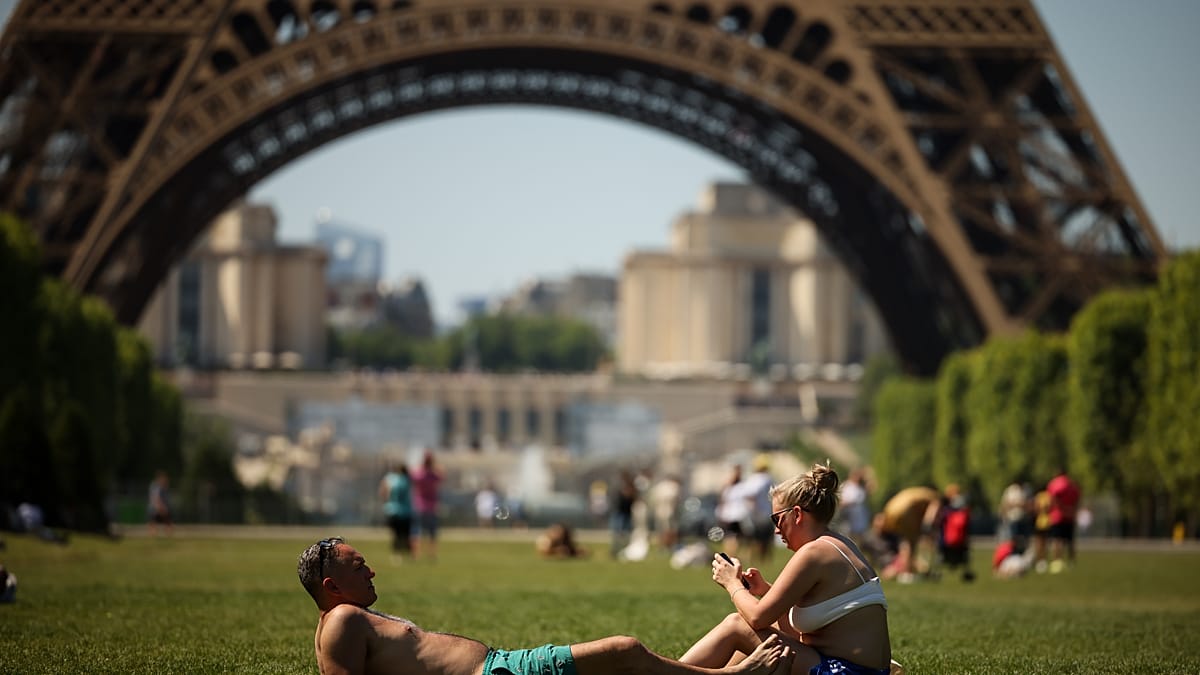
According to Public Health France, deaths increased by 29.1% during the week of 22 to 28 June, representing 2,025 additional deaths compared with the previous week. The sharpest rise was reported in the Ile-de-France region, where deaths jumped 62.8%, with a similar increase seen in Pays de la Loire. As temperatures climbed above 40C in many parts of the country, the strain on emergency services and hospitals became impossible to ignore.
France Heatwave Deaths Highlight a Luxury Design Wake-Up Call
The rise in France heatwave deaths is a public health story first, but it is also a design and lifestyle story. High-end properties, boutique hotels, and premium retail spaces are increasingly being judged not just by aesthetics, but by how well they protect occupants during extreme weather.
Luxury used to signal exclusivity through rare materials, craftsmanship, and location. Today, true prestige also includes thermal comfort, climate adaptation, and healthy indoor environments. In practical terms, that means a well-designed home or branded space must now perform beautifully under stress.
This shift is especially relevant in France, where many luxury residences occupy historic buildings. While these properties offer architectural charm, they can also be vulnerable during prolonged heatwaves if they lack modern cooling strategies, insulation upgrades, or passive climate controls.
Why affluent buyers are rethinking premium spaces
- Comfort is becoming a core marker of value
- Wellness-driven design is influencing purchase decisions
- Energy-efficient cooling is now a prestige feature
- Climate resilience can protect long-term property value
- Smart home technology is increasingly tied to safety
How Luxury Homes Can Respond to Extreme Heat
The discussion around France heatwave deaths should encourage a more serious look at how luxury homes are planned, renovated, and furnished. Designers and developers are being pushed to create interiors that remain elegant while reducing heat exposure and improving air quality.
Several design strategies are becoming more important across the high-end market:
1. Passive cooling and architectural intelligence
Passive cooling is one of the most effective ways to reduce indoor heat without relying entirely on air conditioning. In luxury design, this can be integrated seamlessly through:
- External shading systems and deep overhangs
- Thermal mass materials such as stone and lime plaster
- Cross-ventilation layouts
- Reflective roofing and heat-reducing exterior finishes
- Landscape design that uses trees and greenery for natural cooling
These features not only improve comfort but also align with the growing demand for sustainable luxury.
2. Smart climate control
Advanced home automation is rapidly becoming essential. Premium residences now benefit from systems that monitor indoor temperature, humidity, air quality, and solar gain in real time. Automated blinds, zoned cooling, and predictive energy management can help reduce heat stress, particularly for older residents and vulnerable guests.
3. Heat-conscious interior decor
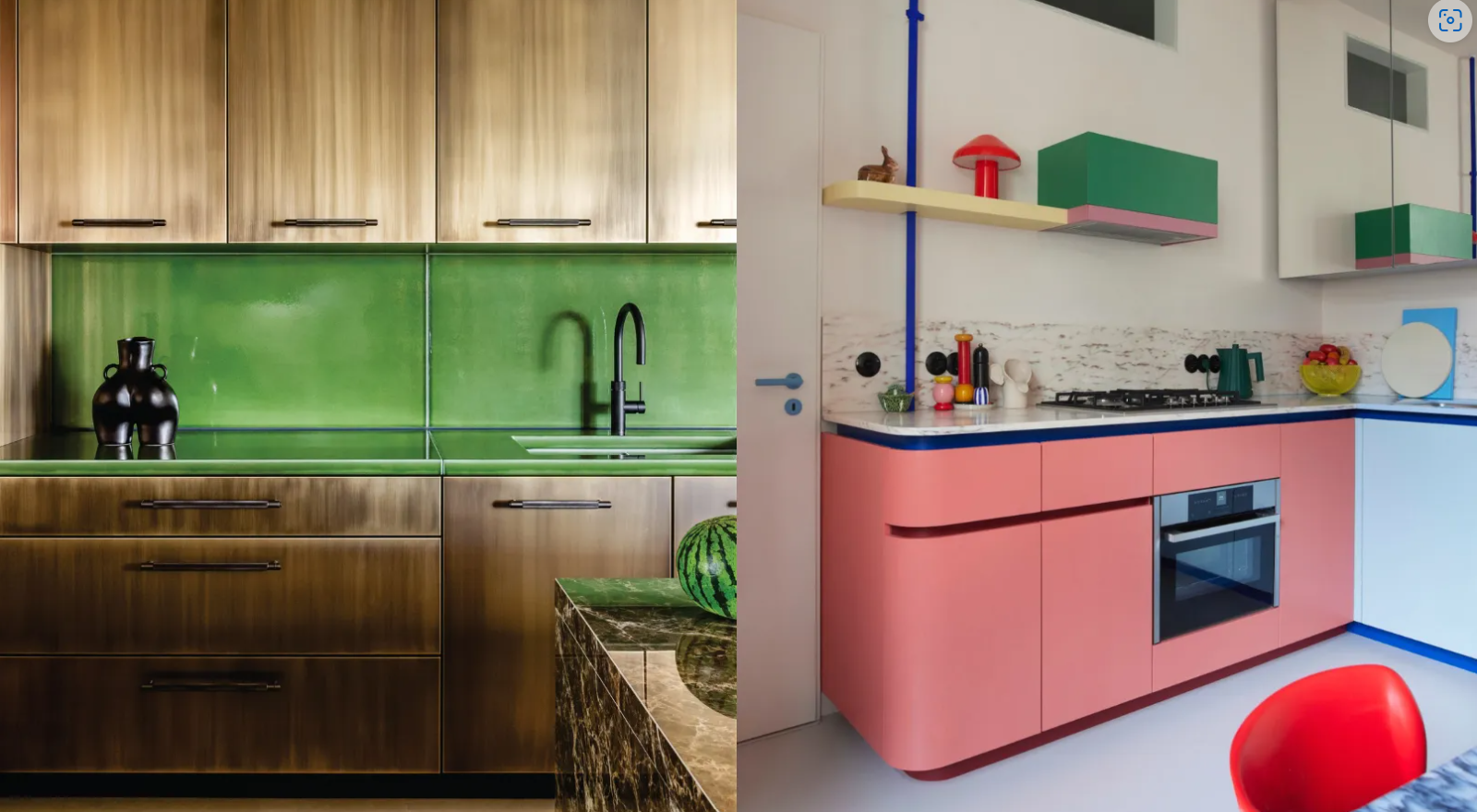
Luxury decor is also evolving. Heavy textiles, dark surfaces, and heat-retaining materials may be less practical in regions facing more frequent hot spells. Designers are leaning into:
- Breathable natural fabrics like linen and lightweight cotton
- Light-toned palettes that visually and physically soften spaces
- Cooling materials such as marble, travertine, and ceramic
- Indoor greenery to support a fresher atmosphere
- Furniture layouts that improve airflow
The result is a refined aesthetic that feels calm, airy, and seasonally intelligent.
Luxury Brands and Hospitality Face New Expectations
France heatwave deaths also carry lessons for luxury brands beyond residential design. Fashion houses, flagship stores, private clubs, and five-star hotels must all think about how climate extremes affect clients, staff, and business continuity.
In hospitality especially, thermal comfort has become a brand experience issue. Guests no longer see cooling, shade, hydration, and clean indoor air as optional perks. They are baseline expectations. The most forward-thinking luxury operators are already adapting through better building systems, shaded outdoor lounges, heat-resilient landscaping, and wellness amenities designed for hot weather.
Luxury retail, meanwhile, faces a similar challenge. Boutiques located in dense urban areas can become uncomfortable during extreme heat unless they are carefully engineered. A store that feels serene and cool during a 40C day communicates a form of silent luxury more powerful than overt display.
Key opportunities for premium brands
- Invest in climate-resilient flagship design
- Use sustainability and comfort as brand differentiators
- Reframe wellness as part of the luxury experience
- Prioritise staff and guest safety during heat alerts
- Incorporate heat adaptation into long-term design strategy
What the Data Says About Risk in France
The latest figures are significant. Public Health France reported a 29.1% rise in deaths over one week, equivalent to 2,025 additional deaths. The most dramatic increase was in Ile-de-France at 62.8%, while Pays de la Loire also saw a sharp surge. Temperatures exceeding 40C put substantial pressure on hospitals and emergency services.
Officials have said the June hot spell may prove less deadly overall than the catastrophic 2003 heatwave, which caused around 15,000 deaths in France. However, public health leaders also expect the toll to be higher than last year’s heatwave, which was linked to roughly 5,700 deaths. That comparison alone shows why heat adaptation can no longer be treated as a niche sustainability issue.
The Future of Luxury Design Is Climate Resilience
The real lesson from France heatwave deaths is that luxury must evolve. In an era of climate change, the most desirable spaces will be those that blend craftsmanship, elegance, sustainability, and protection. Buyers and brands alike are beginning to understand that resilience is not at odds with sophistication. It is part of it.
For architects, interior designers, developers, and luxury homeowners, the path forward is clear: create environments that are visually exceptional but also prepared for hotter summers and more frequent weather extremes. France heatwave deaths have turned climate-responsive design from a forward-looking trend into an urgent standard. The new definition of luxury is not just living beautifully, but living safely, comfortably, and intelligently.