
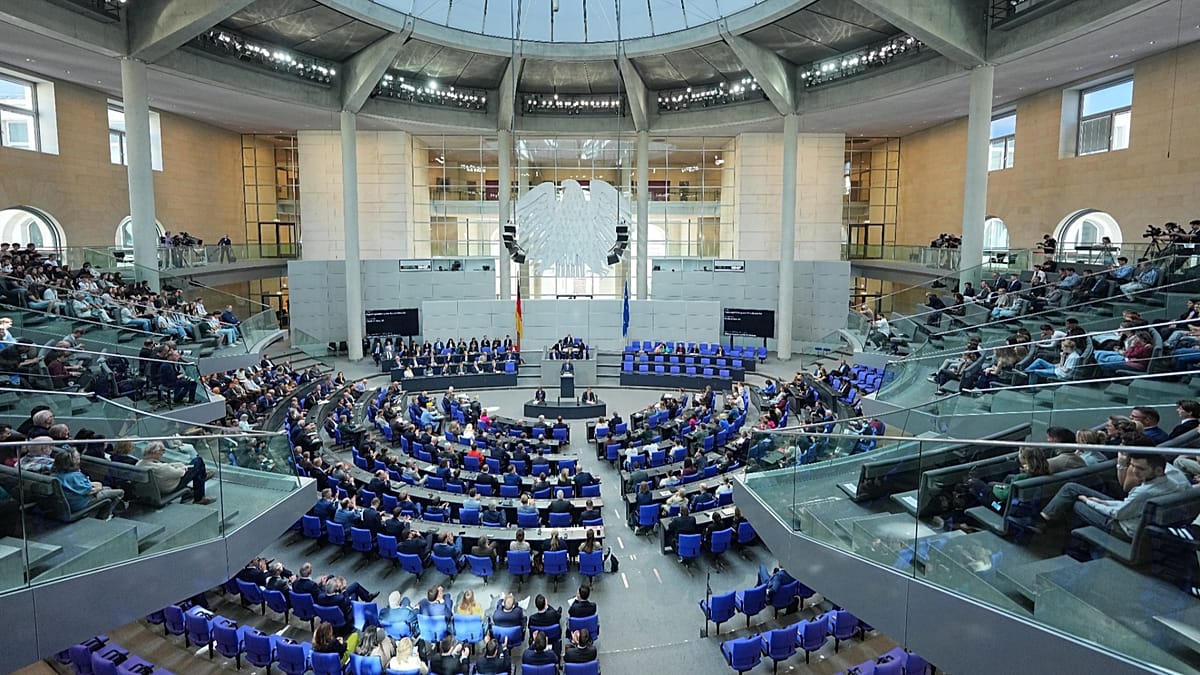
Germany reform package headlines may sound like pure politics, but the implications reach far beyond parliament. For luxury brands, luxury decor companies and luxury design investors, the latest coalition agreement under Chancellor Friedrich Merz could help reshape consumer confidence, retail flexibility and long-term property sentiment in Europe’s largest economy.
After marathon coalition talks, Germany’s ruling CDU/CSU-SPD alliance unveiled 34 measures aimed at reviving growth. The package combines tax relief for low- and middle-income households, pension restructuring, labour-market changes, stricter sick-leave rules and a clearer stance against housing-company nationalisation. While the reforms are designed to tackle economic stagnation and political dissatisfaction, they also create a business climate worth watching for premium sectors tied to spending, real estate and lifestyle demand.
Why the Germany reform package matters to luxury sectors
The Germany reform package is not directly about handbags, interiors or collectible furniture. Yet luxury markets often respond quickly to shifts in taxation, investor certainty and household disposable income.
Several parts of the reform plan could influence demand across upscale categories:
- Income tax relief may leave more cash in the hands of middle- and upper-middle-income households.
- Longer Sunday opening hours could benefit premium retail and showroom traffic.
- Reduced uncertainty for investors may support high-end residential and mixed-use development.
- Pension adjustments could reshape long-term spending behaviour among affluent older consumers.
Luxury spending thrives when consumers feel secure enough to invest in quality, craftsmanship and experience. That is why the Germany reform package deserves attention from brand strategists and design-led businesses.
Tax cuts and what they could mean for premium consumption
One of the most market-relevant elements of the Germany reform package is tax relief. Coalition leaders say the average family could be around €600 better off annually, while the total tax relief is estimated at roughly €10 billion per year.
For luxury businesses, the key point is not that every household will suddenly become a luxury buyer. Rather, tax relief can improve overall consumer sentiment and free up discretionary income for categories such as:
- High-end home accessories
- Designer lighting and furniture
- Premium fashion and leather goods
- Artisanal tableware and decor
- Boutique hospitality and design services
At the same time, the tax system becomes more progressive at the top end, with higher rates for incomes above €250,000 and €280,000. That means the Germany reform package is trying to balance broad spending support with a greater contribution from top earners. For luxury analysts, the likely takeaway is modest uplift in aspirational spending rather than a dramatic boom at the ultra-high-net-worth end.
Retail flexibility could help luxury storefronts
The coalition also wants to expand fixed-term employment options and allow longer Sunday opening hours. For premium retail, this matters more than it may first appear.
Potential gains for luxury brands
Luxury retail relies on service, ambiance and footfall. More flexible opening times can give flagship boutiques, department stores and design showrooms more chances to meet shoppers when they are most ready to browse and buy.
Possible benefits include:
- Higher weekend traffic in city-centre shopping districts
- Better alignment with tourism and leisure spending
- Improved staffing flexibility for seasonal demand
- More event-driven retail opportunities for launches and private appointments
For luxury design houses with physical studios or decor galleries, the Germany reform package could support a more dynamic retail schedule in key urban markets such as Berlin, Munich, Hamburg and Frankfurt.
Housing policy and investor confidence in luxury real estate
Another notable measure is the planned ban on nationalisation of housing companies. This is intended to reduce uncertainty for investors, and that may resonate strongly in design and property circles.
Luxury decor and luxury design are deeply linked to the health of premium real estate. When developers, landlords and property investors feel more secure, they are more likely to back projects involving:
- High-spec residential interiors
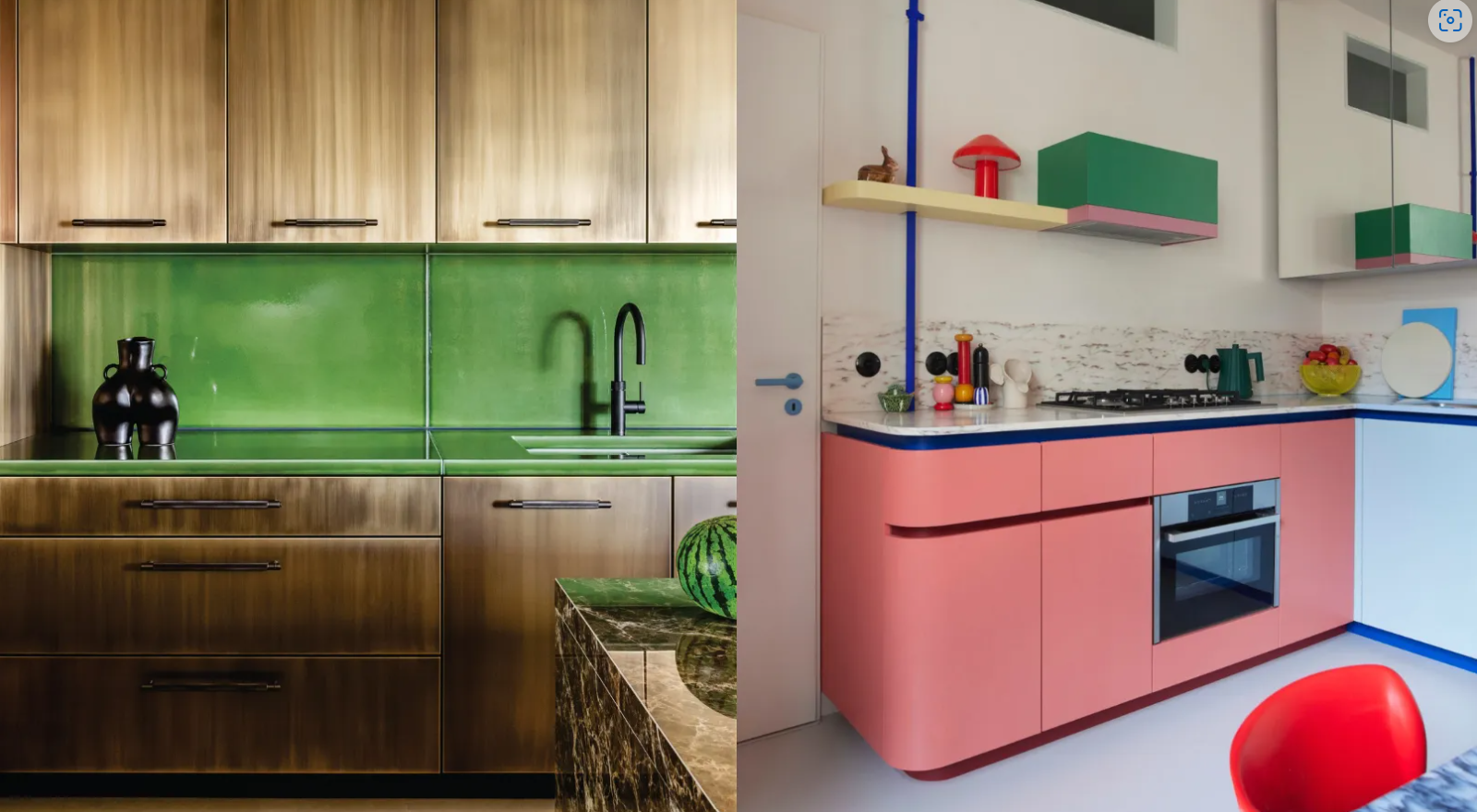
- Designer kitchens and bespoke joinery
- Luxury staging and furnishing packages
- Boutique mixed-use developments
- Hospitality and branded residences
In that sense, the Germany reform package may provide a subtle but meaningful confidence signal to sectors where architecture, interiors and capital investment overlap.
Labour and sick-leave changes could lift productivity
The reform package also tightens sick-leave procedures. Employees would need to provide a medical certificate from the first day of absence if requested, ending the more relaxed telephone-based system that allowed short absences without in-person verification.
For employers, especially in retail, manufacturing and supply chains, the government argues this can improve productivity and reduce abuse. Luxury businesses with German operations may welcome greater workforce reliability, particularly where craftsmanship, logistics and showroom service depend on careful scheduling.
Still, this part of the Germany reform package may prove controversial. Critics may argue that stricter rules could increase pressure on workers and administrative burdens on healthcare providers. As with any labour reform, implementation will matter as much as policy intent.
Pension reform and the long view for luxury demand
The coalition plans to gradually raise the retirement age in line with life expectancy, while trying to stabilise pension levels and avoid sharper long-term contribution increases. This is a major structural element of the Germany reform package.
Why does that matter to luxury decor and design? Because older consumers are a powerful spending group in Europe. They often drive demand for refined homes, renovations, downsizing projects, second residences and quality-focused purchases that last.
If pension reform strengthens confidence in long-term financial planning, it may support measured spending on enduring products rather than disposable goods. That tends to align well with the values of luxury design: craftsmanship, longevity and heritage.
The political backdrop brands should not ignore
The reforms are also politically strategic. With state elections approaching and the AfD polling strongly in several regions, the government is under pressure to prove it can govern effectively and address economic frustration.
For international brands and investors, politics matters because stability matters. A reform agenda that signals action on growth, regulation and competitiveness may improve Germany’s image as a dependable market. However, if the package sparks backlash or underdelivers economically, confidence could remain fragile.
That makes the Germany reform package less of a final answer and more of an opening move in Germany’s next economic chapter.
Conclusion: a watch-list moment for luxury business
The Germany reform package is fundamentally an economic recovery plan, but its ripple effects could reach luxury brands, luxury decor and luxury design in important ways. Tax relief may support discretionary spending, retail flexibility could help premium storefronts, and housing-investor certainty may benefit high-end interiors and property-led design projects.
The bigger takeaway is this: when Germany tries to restart growth, luxury industries should pay attention. Europe’s largest economy remains a critical market for premium consumption, design investment and real-estate-led lifestyle demand. If the Germany reform package delivers even modest confidence gains, luxury businesses could find fresh opportunities in a market that has recently felt cautious and constrained.