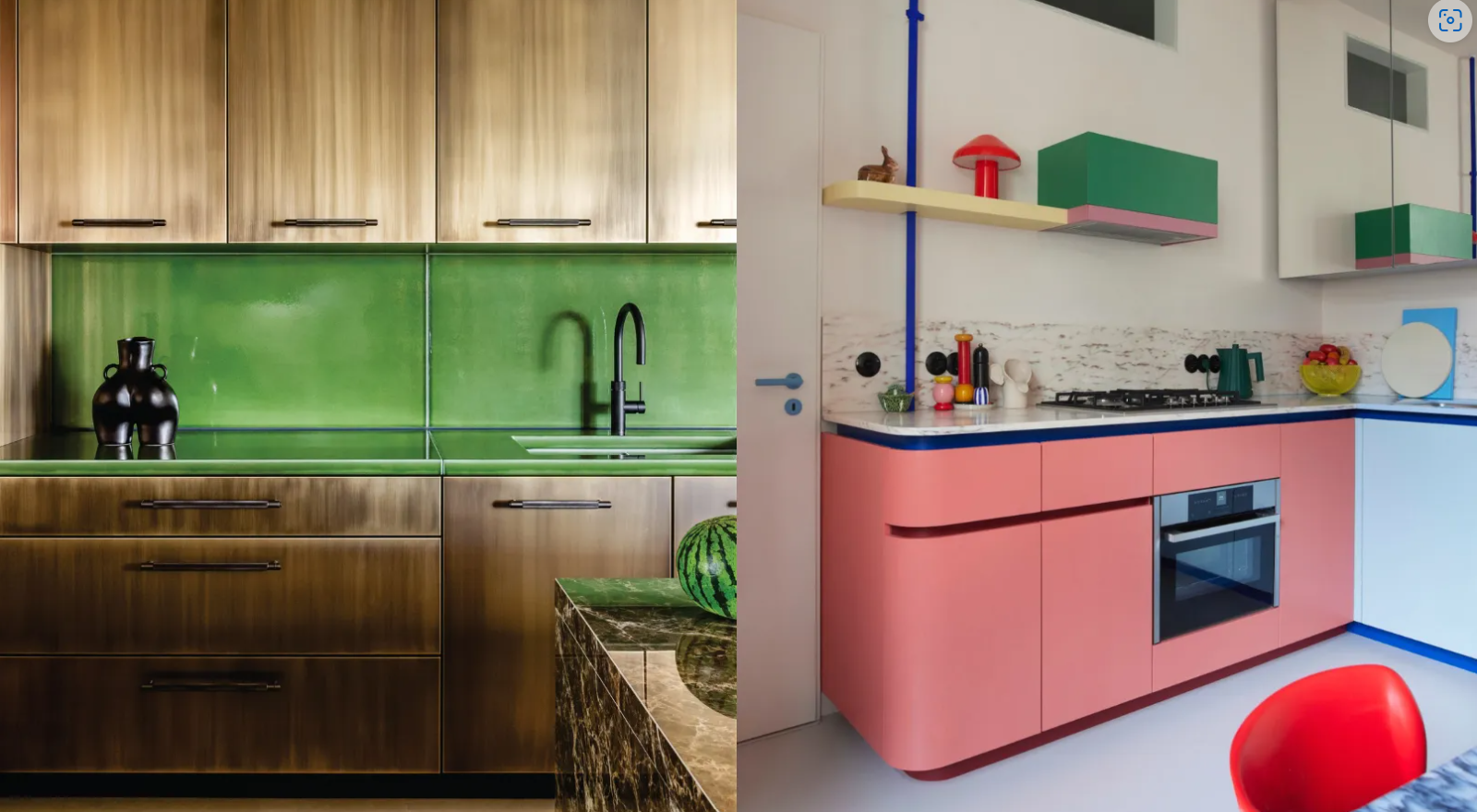
Luxury design is no longer defined by price alone. Today, the most desirable spaces, objects, and labels are those rooted in identity, craft, and place. Across global culture features spotlighting book fairs, artisan makers, handcrafted art, culinary heritage, and urban creativity, one theme stands out: cultural storytelling has become a powerful force shaping luxury brands, luxury decor, and contemporary design.
For discerning consumers, luxury now means more than exclusivity. It means authenticity, provenance, and a meaningful connection to heritage. Whether expressed through ethical jewellery, restored craftsmanship, or design influenced by regional traditions, this shift is redefining how the luxury sector creates value.
Why cultural storytelling matters for luxury brands
Luxury brands thrive when they offer more than products. They succeed when they build worlds around history, artistry, and emotion. Cultural storytelling gives a brand depth, helping it stand apart in a crowded market where aesthetics alone are no longer enough.
Features centered on music heritage, local culinary traditions, historic cities, and creative communities reveal how place-based narratives shape modern desirability. In luxury, these narratives can be translated into:
- Brand identity rooted in heritage and craftsmanship
- Collections inspired by regional materials and artistic traditions
- Collaborations with artisans, makers, and cultural institutions
- Interiors and retail concepts that feel immersive rather than transactional
This is especially relevant for luxury brands seeking long-term relevance. Consumers increasingly want to know who made an item, what inspired it, and why it matters. A compelling cultural foundation adds permanence to a brand story.
Heritage as a design language in luxury decor
In the world of luxury decor, heritage is becoming a visual and material language. Handmade objects, restored techniques, and local references are being used to create interiors that feel layered, soulful, and timeless.
Cultural features about handcrafted art, preservation, and traditional skills point to a rising appreciation for objects with a human signature. This matters in high-end interiors, where collectors and homeowners are moving away from generic opulence and toward curated meaning.
The rise of collectible craftsmanship
Luxury decor increasingly celebrates the maker’s hand. Instead of mass-produced perfection, buyers are drawn to subtle irregularities, rare materials, and techniques passed down across generations. Hand-carved wood, woven textiles, artisan ceramics, and bespoke metalwork all fit this movement.
For designers, these elements do more than decorate a room. They introduce narrative. A single handcrafted piece can anchor an interior with a sense of geography and legacy.
Local culture creates global appeal
One of the strongest lessons from international culture coverage is that local stories often travel best. A city’s music scene, a region’s food culture, or a community’s artisanal knowledge can become a source of global fascination. In luxury decor, this translates into interiors that borrow respectfully from regional motifs, natural palettes, and historic craft traditions.
The result is a richer design vocabulary that feels personal rather than formulaic.
What luxury brands can learn from artisans and creators
Many of the most compelling cultural stories today center on creators: jewellers inspired by nature, disruptive bartenders, pastry chefs reviving tradition, and street artists reshaping cities. For luxury brands, these profiles offer a blueprint for innovation grounded in authenticity.
There are several clear lessons:
- Craft is a competitive advantage. Expertise and handmade quality remain deeply persuasive in luxury.
- Sustainability works best when tied to story. Ethical sourcing and responsible production resonate more when paired with visible human craftsmanship.
- Originality comes from context. The most memorable design ideas often emerge from local history, not trend forecasting alone.
- Experience is part of the product. Consumers want to encounter luxury through atmosphere, ritual, and cultural immersion.
These insights are valuable across fashion, interiors, hospitality, and product design. The future of luxury brands belongs to those that can translate cultural richness into modern desirability without reducing it to surface aesthetics.
Luxury design and the appeal of place
Place has become one of the most powerful influences in luxury design. Cultural destinations such as historic cities, artistic hubs, and heritage fairs inspire everything from boutique hotel concepts to furniture collections and retail environments.
When designers respond to place thoughtfully, they create spaces that feel emotionally resonant. A project inspired by Venice may emphasize patina, craftsmanship, and water-toned textures. A concept influenced by Macao might blend Portuguese detail with East Asian refinement. A design story shaped by Jeddah could draw on light, geometry, and a vibrant arts scene.
This kind of contextual design feels elevated because it is specific. Instead of generic luxury cues, it offers atmosphere, memory, and distinction.
How this trend appears in interiors
- Bespoke furnishings informed by regional craft traditions
- Natural materials sourced with attention to provenance
- Art collections that highlight local or emerging creatives
- Layered palettes inspired by architecture, landscape, and heritage
- Decor that balances contemporary lines with historic references
For luxury homeowners and specifiers, these choices create spaces that look curated rather than styled for short-term impact.
The digital future of cultural preservation and luxury design
Another emerging theme is the role of digital tools in restoration, preservation, and cultural access. Open labs, digital archives, and new conservation techniques are changing how heritage is documented and shared. This has direct relevance for luxury brands and designers looking to preserve traditional skills while bringing them into a contemporary market.
Technology can support craft in several ways:
- Documenting endangered artisanal methods
- Helping designers collaborate across borders
- Supporting customization and limited-edition production
- Enhancing transparency around sourcing and provenance
In other words, innovation and heritage are no longer opposites. In the luxury sector, they increasingly work together.
Why cultural storytelling is the new standard for luxury brands
The message is clear: luxury brands, luxury decor, and luxury design are being redefined by cultural storytelling. Heritage, craftsmanship, locality, and artistic identity are no longer optional embellishments. They are central to how value is created and understood.
As consumers become more selective, the most successful luxury brands will be those that honor makers, celebrate place, and turn tradition into a living design language. In a market saturated with polished visuals, meaning is the ultimate luxury. That is why cultural storytelling is not just influencing luxury brands today—it is shaping their future.