
True luxury in modern cities is no longer just about prestigious addresses, designer interiors, or high-end retail. It is increasingly about peace of mind, walkability, and beautifully planned public space. That is why Helsinki road safety has become such an important reference point—not only for transport experts, but also for anyone interested in luxury design, premium urban living, and the future of refined city experiences.
Over a 12-month period between 2024 and 2025, the Helsinki metropolitan area recorded zero road deaths, an extraordinary achievement for a region of around 1.4 million residents. The city then extended that streak by several more months. While many European capitals still struggle with fatalities involving drivers, cyclists, and pedestrians, Helsinki has shown that safer streets can be designed intentionally through policy, infrastructure, enforcement, and public support.
Why Helsinki Road Safety Matters to Luxury Urban Design
For readers in luxury brands, luxury decor, and luxury design, the relevance may not seem obvious at first. But today’s premium lifestyle is deeply connected to the quality of the surrounding environment. Safe, elegant, human-centered streets elevate:
- High-end residential appeal
- Luxury retail foot traffic
- Outdoor hospitality experiences
- Architectural prestige
- Overall urban well-being
Helsinki road safety demonstrates that the most desirable cities are not simply car-oriented; they are thoughtfully designed for people. In luxury terms, that means calmer boulevards, better cycling routes, wider pedestrian zones, less visual chaos, and a more seamless relationship between public infrastructure and premium real estate.
The Long-Term Strategy Behind Helsinki Road Safety
The success of Helsinki road safety did not happen overnight. According to city officials and safety experts, the foundations were laid roughly 40 years ago, when Helsinki began systematically redesigning its traffic environment to reduce deadly accidents and eventually eliminate them.
That long-term strategy includes multiple layers working together:
- Lower speed limits across the city
- Improved pedestrian and cycling infrastructure
- Narrower roadways to calm traffic
- Automatic speed camera systems
- Strong public transport networks
- Legislation and traffic enforcement
- Public communication campaigns
This integrated approach reflects a design principle familiar in luxury architecture: the best outcomes come from total systems thinking, not isolated upgrades.
Speed Reduction as a Design Tool
One of the clearest lessons from Helsinki road safety is the power of reducing speed. Helsinki adopted 30 km/h as the maximum speed on many city streets around two decades ago. That decision was not just regulatory—it was spatial. Lower speeds change how streets feel, how crossings work, how noise travels, and how comfortable an area becomes for residents and shoppers.
In high-end districts, slow traffic can dramatically improve the atmosphere. It creates the kind of polished, relaxed environment associated with premium urban destinations, where people linger rather than rush.
Infrastructure That Prioritises Experience
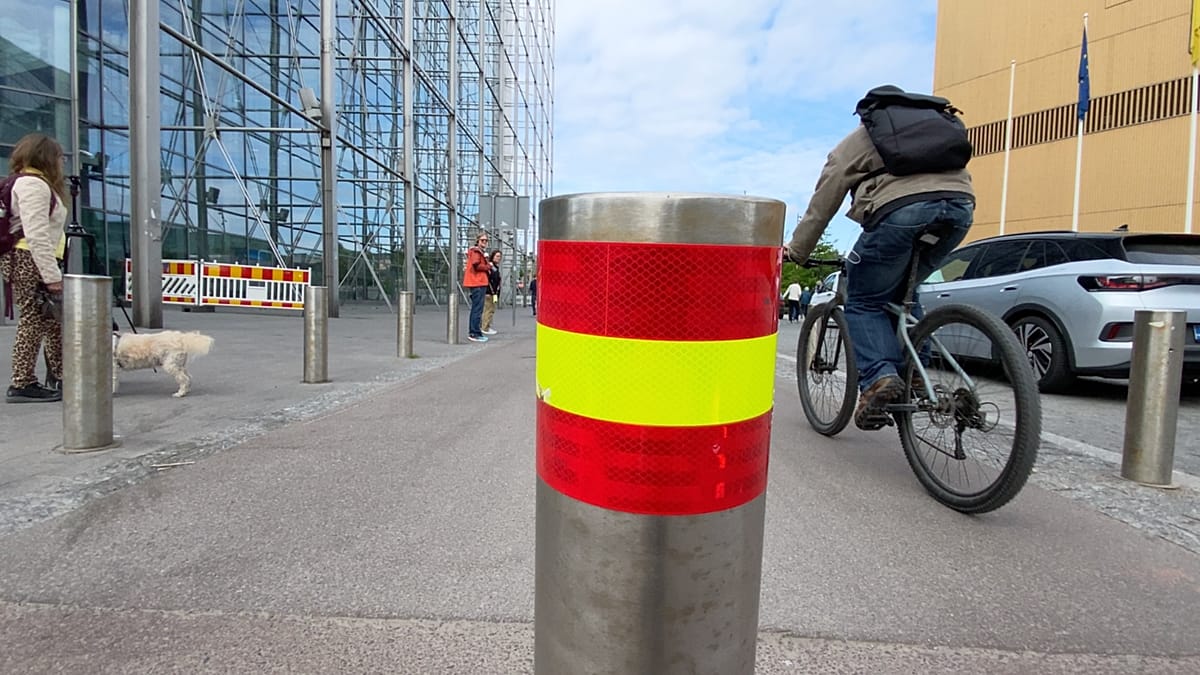
Over the last 20 years, Helsinki has invested heavily in infrastructure designed to protect vulnerable road users. That includes tunnels in busy downtown areas and bridges reserved for pedestrians and cyclists. The city also invested roughly €35 million in cycling and pedestrian infrastructure in one recent year alone.
This matters because Helsinki road safety is not only about avoiding harm—it is about shaping a better city experience. Protected routes, intuitive crossings, and uncluttered street layouts support a more sophisticated urban rhythm. For luxury developments, that translates into more attractive streetscapes and stronger long-term value.
How Public Transport Supports Helsinki Road Safety
A major reason Helsinki road safety has advanced so far is the quality of public transport. When transit is efficient and reliable, fewer people need to drive. That reduces congestion, collision risk, and the pressure to design streets around fast-moving private vehicles.
From a luxury design perspective, great public transport can enhance exclusivity rather than diminish it. Prestigious city districts thrive when access is smooth, streets are less crowded, and the public realm feels curated instead of chaotic. Helsinki’s model suggests that mobility and elegance can reinforce each other.
Enforcement, Culture, and the Value of Zero Tolerance
Infrastructure alone would not explain the full Helsinki road safety story. The city also benefits from a strong culture of zero tolerance toward speeding and driving under the influence of alcohol or drugs. Police use automatic speed cameras and active traffic controls, while communication campaigns on social media amplify the message at scale.
This combination of enforcement and public messaging is crucial. Design can guide behavior, but culture sustains it. Helsinki’s success shows that when citizens accept safety as a shared civic standard, policy becomes more effective and urban change becomes more durable.
The Role of Public Acceptance
City leaders have been clear that public acceptance is essential. Helsinki is even preparing to restrict private cars around busy streets near the Central Railway Station by 2030. Such policies succeed when residents believe safer, cleaner, more walkable spaces are worth the trade-off.
That mindset aligns with global luxury trends, where exclusivity increasingly means access to healthier, quieter, more intentional environments.
What Other Cities Can Learn From Helsinki Road Safety
The broader European goal of Vision Zero aims to move as close as possible to eliminating road deaths by 2050. Not every capital has Helsinki’s size, geography, or planning history, but the principles behind Helsinki road safety are widely adaptable.
- Set a long-term vision: Transformation takes decades, not months.
- Lower speed limits: This is one of the fastest and most effective interventions.
- Invest in pedestrian-first infrastructure: Safe walking and cycling routes change city life.
- Strengthen enforcement: Cameras, checks, and visible controls matter.
- Support alternatives to driving: Better transit means fewer collisions.
- Build public consensus: Safer streets require cultural buy-in.
For developers, designers, and luxury brands, these lessons go beyond transport policy. They point to a new urban standard where safety, aesthetics, sustainability, and desirability are deeply connected.
Conclusion: Helsinki Road Safety Redefines What a Premium City Looks Like
At its core, Helsinki road safety is a story about design excellence with human outcomes. The city’s zero-fatality milestone was not an accident of luck, but the result of careful planning, lower speeds, better infrastructure, strong enforcement, and a public willing to embrace safer streets.
For the luxury world, the takeaway is clear: the most sophisticated cities of the future will not be defined only by iconic buildings or flagship boutiques. They will be defined by how safe, serene, and thoughtfully designed their streets feel every day. In that sense, Helsinki road safety is more than a transport success—it is a blueprint for elevated urban living.